

Summary: Switching from analog CCTV to cloud-based video surveillance improves the overall data security. The use of IP cameras enables higher resolution, AI analytics, and the coverage of larger areas with fewer devices. Cloud based video surveillance systems outperform analog ones in terms of sustainability, reliability, and reduced maintenance, especially as analog equipment becomes obsolete.
As more organizations embrace iot solution and adopt the use of smart building IoT devices, closed-circuit television (CCTV) video surveillance system users are lagging behind. Thanks to modern advancements in video security technology, there are more reasons than ever to upgrade an analog CCTV system to a cloud-based video surveillance system that uses IP (Internet Protocol) technology. Organizations looking to justify the upgrade expense are primarily interested in the cost and security benefits of making the switch. Here are five reasons why upgrading an analog security cctv system to a cloud-based video surveillance solution is a smart investment.
1. Cloud-Based Video Systems Offer Better Data Security than Analog
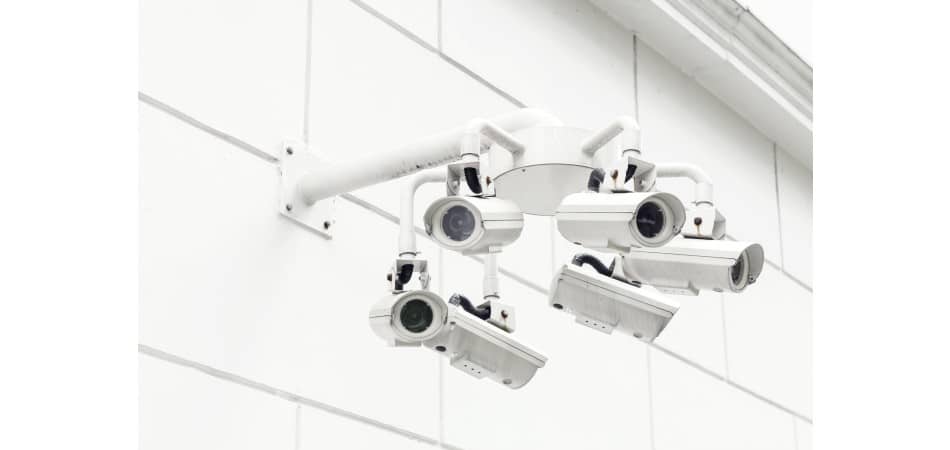
In today’s world of data privacy laws, secure video storage matters. All recorded images must be stored in a manner that maintains their integrity and limits access to only authorized personnel. This ensures that the rights of individuals recorded by a video system are protected and that the security cam footage can be used as evidence in court. IoT communication protocols protect data exchange between connected devices. For this reason, IP video systems offer far better data security than analog systems, especially when deployed as a cloud based video surveillance system.
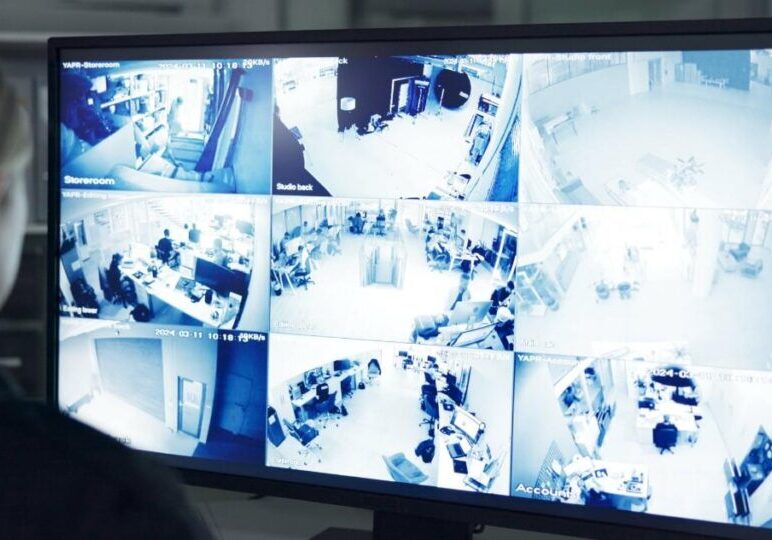
Older analog video systems use an internal network and cameras that connect to a local DVR. Newer IP video systems use high-definition digital cameras that connect to the internet, enabling cloud video surveillance, off-site video storage. With analog video systems, DVR, DVD, and VHS tape backups can be lost, damaged, hacked, or stolen, leaving organizations vulnerable to fines and lawsuits. IP video systems record on a Network Video Recorder (NVR) or on the cloud. As long as device updates are maintained, they are far less likely to be compromised through software or firmware vulnerabilities.
2. IP Security Cameras Deliver Higher Resolution Images and Better Area Coverage
If a picture is worth a thousand words, then a low-quality image is only worth about half. Even the best CCTV surveillance cameras return images at less than half a megapixel. The lowest quality digital IP security camera (also known as a network camera) delivers images at a full megapixel. The lowest-quality IP camera delivers a full megapixel, and today’s high-definition IP cameras can reach 4, 5, or 8 MP. If facial recognition is required, a 2 MP IP camera is typically sufficient.
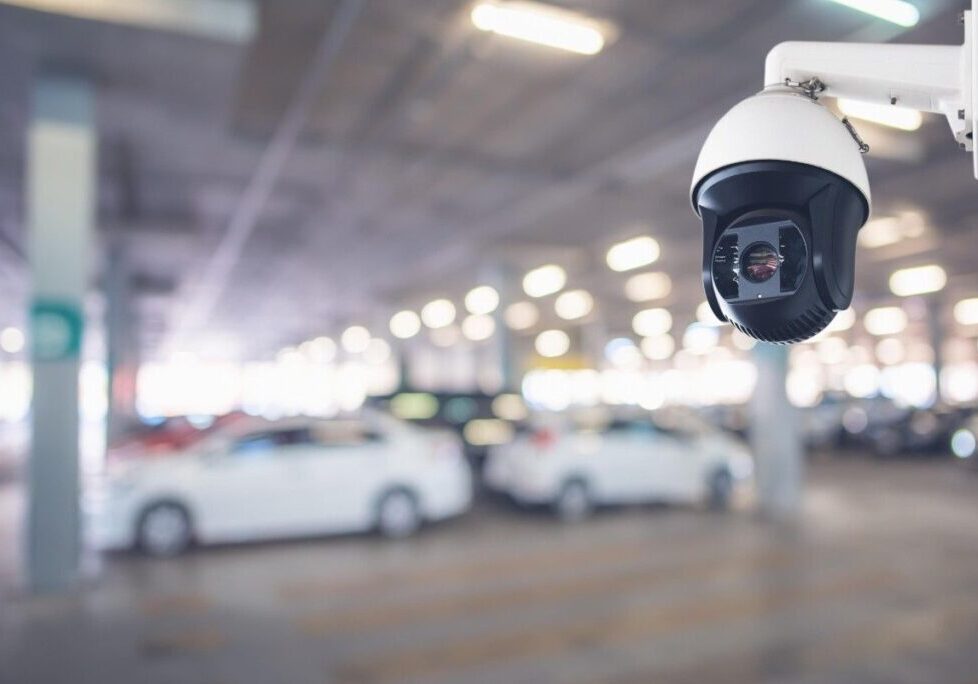
A range of IP video cameras offer wider visual coverage than their fixed analog cameras, including tilt, zoom, and 360-degree dome cameras. These allow organizations to install fewer cameras while achieving complete visibility. In most instances, one properly placed IP video camera can provide the same visibility coverage as 2 analog cameras. Although digital IP cameras may cost more individually, the reduced quantity balances total spending—especially when integrated into a cloud based video surveillance system.
3. CCTV Systems Cannot Integrate with Internet Technology Security Systems

One of the strongest incentives to upgrade is the ability to integrate IP video cameras with other Internet Technology (IT) security systems. Analytics software and Artificial Intelligence tools let IP systems increase efficiency and streamline security. IP cameras can connect with access control, motion detection, building management, and multiple other security systems. Analog video systems cannot support these integrations, whereas cloud based video surveillance platforms enable seamless connectivity and scalability.
4. Artificial Intelligence Gives IP Systems Real-time Alert and Advanced Search Capabilities; Analog Systems Don’t Have
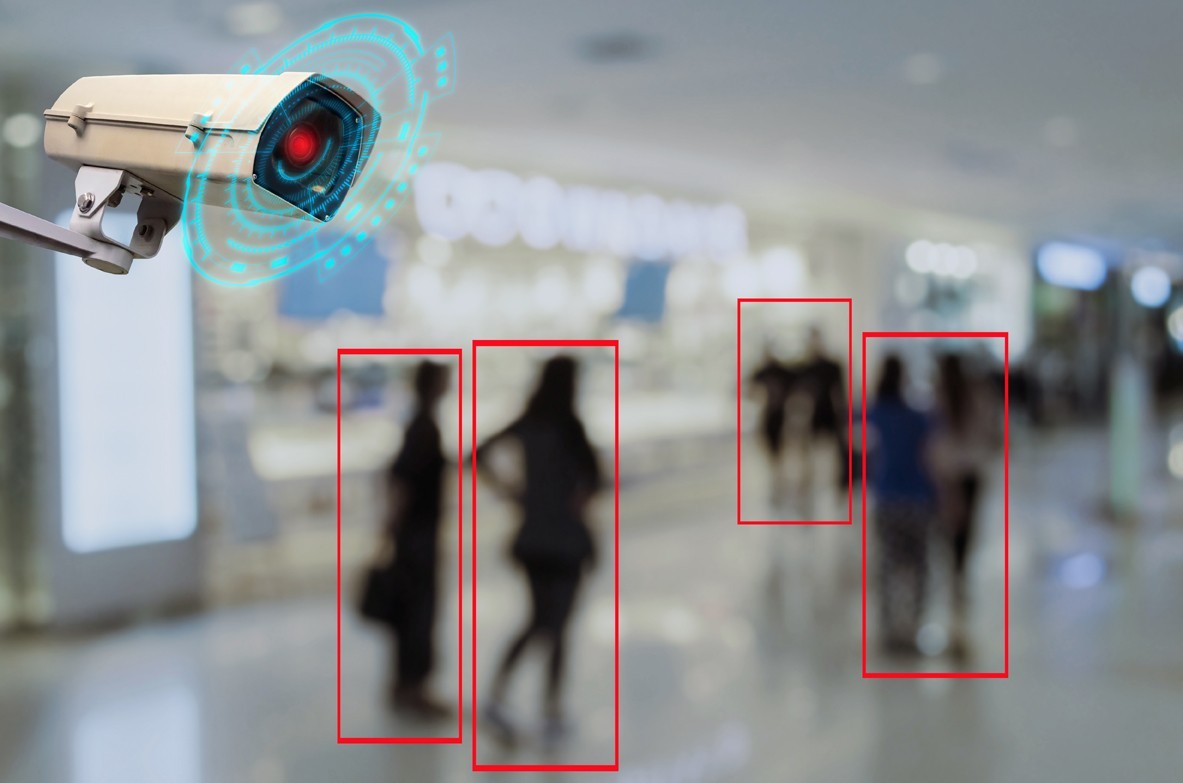
In the security world, some of the best-known AI-based analytics features include facial recognition, motion search, and face detection. All of these features can be integrated with IP cameras and enhanced further within a cloud video surveillance environment. In addition to real-time alerts, the search and detection features are valuable to the improved response time of security personnel on-site. Rather than operators manually combing through video footage to locate a suspicious suspect, these tools search video footage in seconds. The system isolates and quickly returns footage of the individual’s most recent whereabouts or current location. This rapid insight helps security personnel or law enforcement act quickly and prevent crimes.
5. Cloud-based video Surveillance is More Sustainable, Energy Efficient, and Reliable than CCTV Systems
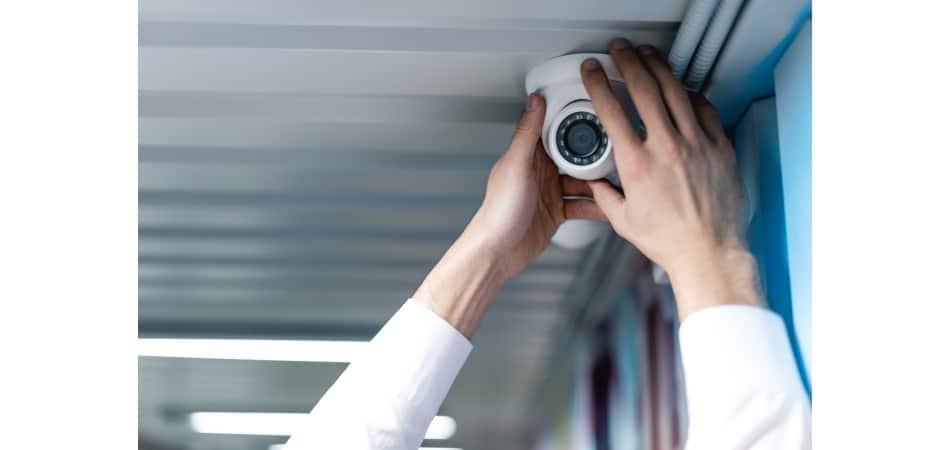
Analog systems require more cameras, monitors, and switchers than their cloud-based counterparts, so the latter is more eco-friendly. Furthermore, cloud based video surveillance systems enable centralized monitoring of all properties under one management, which can result in reduced equipment usage. Fewer cameras mean bigger monitors and better energy and space efficiency. On-the-fly AI tools help to control monitoring and alerts, which results in fewer errors and higher reliability.
Companies that have been using analog systems are now facing problems in finding replacement parts. The rise in IP technology demand and the fall of analog use make it inevitable that the maintenance costs for non-IP systems will escalate in the future. Eventually, with more businesses moving towards IP, IT, and IoT solutions, the analog systems will be phased out completely in favor of cloud video surveillance technologies.
Interested in upgrading analog video systems with IP technology? You can receive a complimentary video security network assessment from Resolute Partners. Contact us or visit our commercial surveillance systems page to learn more.
FAQs
The strongest options include a live security camera surveillance system, a real-time video monitoring system, an access control system, a license plate reader, and a 24/7 monitoring service. The combination of these guarantees safety and provides total transparency.
A smart system utilizes AI and advanced techniques to identify unusual behaviors, such as loitering or trespassing. Real-time alerts via Unusual Motion Detection (UMD) and Unusual Activity Detection (UAD) give the security staff a chance to react instantly to the raised threats.
The switch provides stronger data security, cloud-based encryption, the production of higher resolution images, granting of remote access, and, in addition to these, the system has a very low maintenance cost. The system is well-equipped to handle modern security needs in terms of protection and adaptability.
Yes. The protection would be total since the solutions can be personalized to meet the specific vulnerabilities, floor plan, and operational needs of the building.
AI constantly monitors for threats and, simultaneously, eliminates the possibility of false alarms, thereby speeding up the overall response. Additionally, the automatic interpretation of data reduces the need for constant human presence in surveillance and enhances overall security competency.

Michael S. Blanco is the Chief Executive Officer and Co-Founder of Resolute Partners, LLC, where he leads strategic initiatives across various divisions. After owning family entertainment centers in New England, he co-founded Resolute Partners in 1996, launching the first Internet cafés for the U.S. Navy and partnering with AT&T for global deployment. A pioneer in wireless communications, Michael has expanded the company’s focus to include Energy Management/IoT, Cybersecurity, and Managed Video Security. He holds a degree from the Rochester Institute of Technology.
3 Comments
Leave a Comment
Stay up to date.
Subscribe for latest news, protection tips, special offers, and more!



Live Video Monitoring
Our trained video security surveillance monitoring professionals can quickly spot suspicious activity captured by business security cameras. We review live video to determine if criminal behavior is suspected.




[…] energy use data, but the collected data in the meter must be read by a technician. Similarly, an analog video security system transmits and records video footage (data) that must be constantly monitored (interpreted) by […]
Thank you.
[…] is the most efficient way to mitigate risks. Proactive real-time solutions, including AI-based video surveillance cameras and advanced data analytics, are helping enterprises detect and mitigate risks quickly. Enabling […]