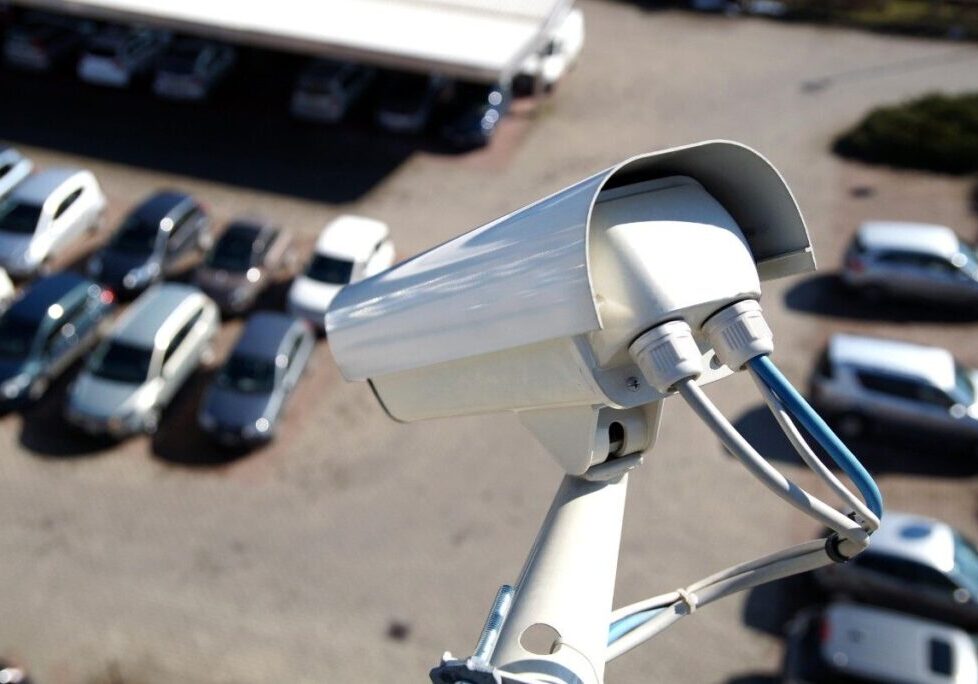
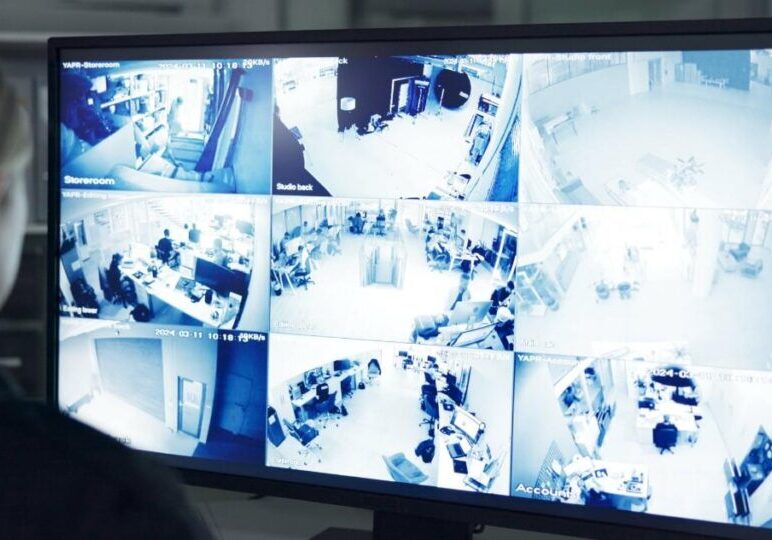
Summary: Security cameras are now standard in most offices, warehouses, retail floors, and commercial facilities. But installing cameras and running a legitimate workplace surveillance program are two very different things. Most businesses do the former without fully thinking through the latter, and that gap creates real exposure: legal liability, employee distrust, and surveillance footage that can’t be used when you actually need it. Done right, workplace surveillance protects people, assets, and the business itself. Done wrong, it does the opposite. The difference almost always comes down to policy, placement, and transparency, not the cameras themselves.
What Is Workplace Surveillance and Why Do Businesses Use It?
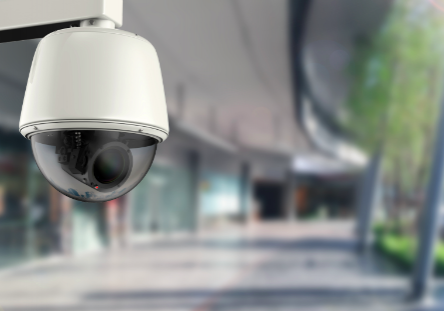
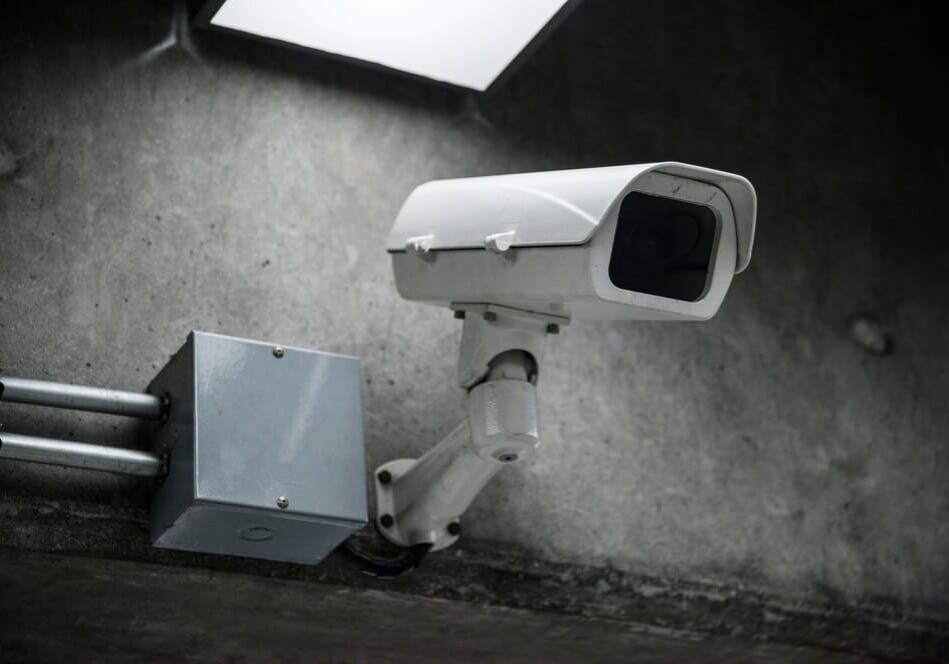
Workplace surveillance refers to the use of cameras to observe, record, or monitor activity on business premises. Employers use it for a range of legitimate purposes: deterring and investigating theft, improving site safety, supporting insurance claims, maintaining compliance in regulated industries, and protecting employees and customers alike.
The numbers back up its effectiveness. Around 70% of U.S. retailers use video surveillance in the workplace for loss prevention, and roughly 30% report a measurable reduction in theft as a result. These aren’t marginal gains in high-shrinkage environments; surveillance pays for itself quickly.
But the goal was never to watch employees every minute of the day. The purpose of workplace surveillance is accountability and protection, and that distinction matters enormously when it comes to how systems are designed and managed.
What Laws Govern Workplace Surveillance in the U.S.?
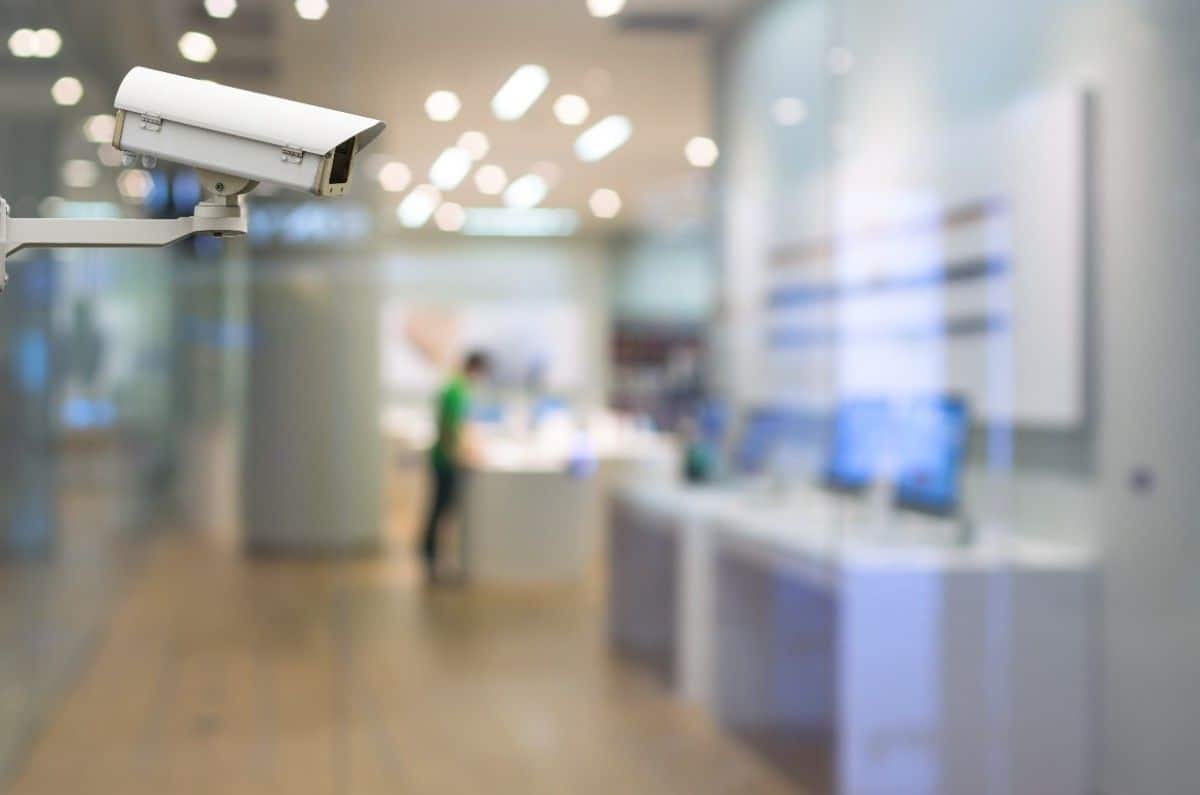
Workplace surveillance laws in the United States vary by state, but a few principles apply almost universally. Employers are generally required to inform employees that surveillance is in place and to demonstrate a legitimate business reason for it. Security, loss prevention, and safety compliance are all valid. Recording in areas where employees have a reasonable expectation of privacy is illegal in most states, and audio recording without consent is restricted in many jurisdictions.
States like California operate under significantly stricter privacy frameworks, with additional requirements around transparency, data use, and employee notification. Retention periods, access controls, and disclosure practices all carry legal implications that differ depending on where your business operates.
For businesses with international operations, frameworks like GDPR impose additional requirements: a documented legal basis for surveillance, minimum data collection, strict retention limits, and proactive communication to employees. The consistent takeaway across all jurisdictions: get legal counsel involved before you deploy, and keep them involved when policies change.
Why a Written Workplace Surveillance Policy Is Non-Negotiable
A camera without a policy is just a liability waiting to happen. Video surveillance in the workplace only functions as intended when it operates within a clear, documented framework that employees understand and management enforces consistently.
A well-constructed workplace surveillance policy does several things at once. It defines the specific purpose of surveillance, safety, security, and compliance, and prevents scope creep into areas it was never meant to cover. It establishes where cameras are permitted and where they are absolutely off-limits. It controls who can access footage, under what circumstances, and for how long. And it creates a documented record of compliance that holds up in audits, legal reviews, or employee disputes.
Without this structure, even well-intentioned surveillance programs can be perceived as invasive, challenged legally, or rendered inadmissible when you need the footage most.
Where Cameras Belong and Where They Don’t
Camera placement is one of the most consequential decisions in any workplace surveillance program. More cameras don’t automatically mean better security, placement determines both effectiveness and legal exposure.
Appropriate locations generally include entrances and exits, parking lots, loading docks, production floors, retail sales areas, and public-facing customer spaces. These areas have clear safety and security justifications and carry no reasonable expectation of privacy.
Restrooms, locker rooms, changing areas, private offices, and break rooms are off-limits in most cases, both legally and ethically. If a space implies any degree of personal privacy, surveillance doesn’t belong there, full stop. Violations in these areas aren’t just policy failures; they’re the kind of incidents that result in lawsuits, regulatory fines, and serious reputational damage.
The Do’s of Workplace Surveillance
Give clear notice. Employees should know where cameras are located and why. Signage helps, but a written policy distributed to all staff is the stronger standard. Transparency from day one prevents the perception that surveillance is covert or punitive.
Define a specific purpose. Every camera placement should serve a documented, legitimate function. Vague justifications don’t hold up legally or operationally. If you can’t articulate why a camera is positioned where it is, that’s a sign it shouldn’t be there.
Restrict access to footage. Only authorized personnel should be able to review recorded video, and that list should be kept as short as functionally necessary. Broad access increases the risk of misuse and undermines employee trust.
Set and enforce retention limits. Most organizations retain footage for 14 to 45 days unless an incident requires extended storage. Keeping footage longer than necessary creates unnecessary data risk without a security benefit.
The Don’ts Employers Consistently Get Wrong
Don’t use surveillance to micromanage. Monitoring employees’ minute-by-minute activity isn’t a security function; it’s a management problem that cameras won’t solve. Overreach in this area breeds resentment, increases turnover, and frequently triggers HR and legal complaints.
Don’t record more than you need. Capturing workstations, computer screens, or highly personal interactions without a clear justification is unnecessary and creates privacy exposure. Record what serves the stated purpose, nothing beyond it.
Don’t ignore employee concerns. When employees raise questions or concerns about surveillance, the response matters. Dismissing concerns damages trust. A clear, accessible process for raising questions and getting real answers signals that the program is being run with integrity.
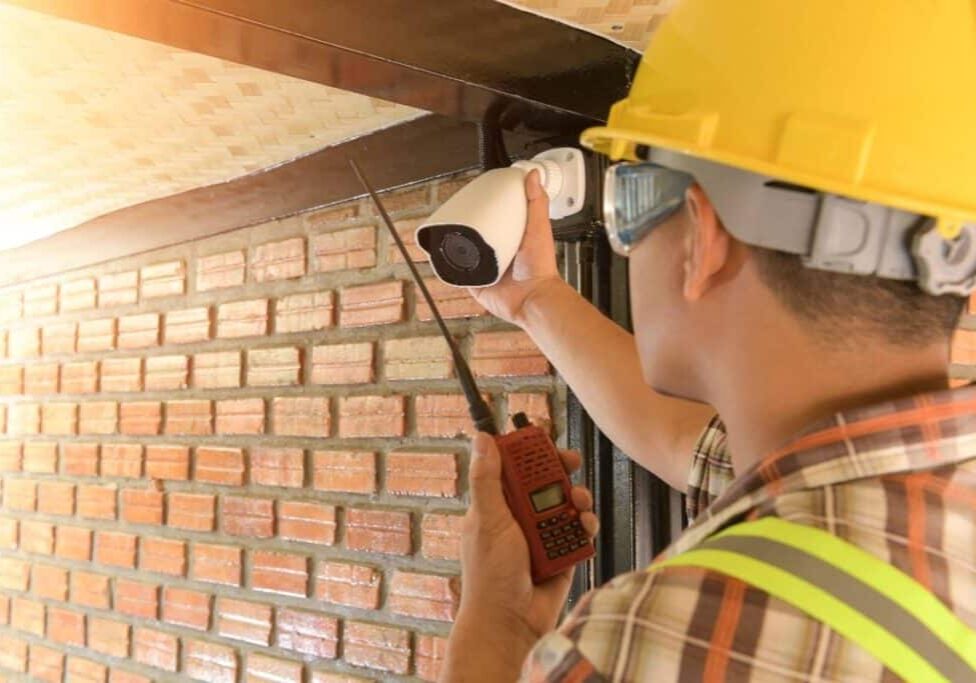
Don’t install cameras without documentation. Undocumented or surprise camera installations are among the fastest ways to create legal exposure and destroy employee trust simultaneously. Every camera should be documented, positioned for a stated purpose, and disclosed to staff before it goes live.
Consent, Transparency, and Data Security
Consent in the context of workplace surveillance doesn’t always mean a signed form, but it always means transparency. Employees should never be left wondering whether they’re being watched, where, or why.
Introduce surveillance practices during onboarding. Make camera locations and their purposes easy to understand. Communicate any changes, new cameras, extended use, system upgrades, before they happen, not after. Where written acknowledgment is required by law, collect it. Where it isn’t, it’s still worth considering as a trust-building measure.
Video footage is also sensitive data, and it needs to be treated accordingly.
Encryption, secure storage, role-based access controls, and audit trails aren’t optional extras they’re baseline requirements for any responsible surveillance program. A breach of surveillance footage carries consequences that go well beyond the technical. It exposes individuals, damages credibility, and can trigger regulatory action.
Building a Surveillance Program That Actually Works
Workplace surveillance isn’t inherently good or bad. Its value or its harm depends entirely on how it’s designed, communicated, and managed. When it’s built on clear policy, legal compliance, and genuine respect for employee privacy, it becomes a legitimate tool for workplace safety and protection.
At Resolute Partners, we help businesses design and deploy surveillance systems that are compliant, transparent, and built to last. Our approach ensures your program meets regulatory requirements, holds up under scrutiny, and earns the trust of the people working within it rather than eroding it.
All businesses should consult legal counsel before implementing or updating any workplace surveillance policy to ensure full compliance and minimize liability.
Ready to build a surveillance program that works for your business and your people? Contact Resolute Partners today.
Frequently Asked Questions
Q1: What is the difference between workplace surveillance and employee monitoring?
Workplace surveillance covers physical spaces using cameras for security, safety, and loss prevention. Employee monitoring typically refers to tracking digital activity, such as emails, computer usage, and keystrokes. They serve different purposes, carry different legal requirements, and should be governed by separate policies.
Q2: Do employers have to tell employees about surveillance cameras?
In the U.S., notice is required in virtually all jurisdictions, even where formal consent isn’t. Employees must know surveillance is in place and understand its purpose. Installing cameras without disclosure is one of the most common and most avoidable compliance failures.
Q3: Can workplace surveillance footage be used as evidence in disciplinary proceedings?
Yes, but only if it was collected lawfully, stored properly, and accessed by authorized personnel following documented procedures. Footage obtained through non-compliant surveillance programs can be challenged or excluded entirely which is precisely why policy and documentation matter from day one.
Q4: How long should workplace surveillance footage be retained?
Most organizations retain footage for 14 to 45 days under standard operating conditions. If an incident occurs, relevant footage should be flagged and held for as long as the investigation or legal process requires. Retaining all footage indefinitely is unnecessary and creates additional data security and privacy risk.
Q5: Is it legal to use audio recording alongside video surveillance at work?
In most U.S. states, audio recording without the consent of at least one party and in many states, all parties is illegal. Audio surveillance in the workplace is significantly more restricted than video and should never be implemented without explicit legal guidance specific to your state.

Michael S. Blanco is the Chief Executive Officer and Co-Founder of Resolute Partners, LLC, where he leads strategic initiatives across various divisions. After owning family entertainment centers in New England, he co-founded Resolute Partners in 1996, launching the first Internet cafés for the U.S. Navy and partnering with AT&T for global deployment. A pioneer in wireless communications, Michael has expanded the company’s focus to include Energy Management/IoT, Cybersecurity, and Managed Video Security. He holds a degree from the Rochester Institute of Technology.

Stay up to date.
Subscribe for latest news, protection tips, special offers, and more!