Summary: Construction sites deal with security threats that most other workplaces simply do not face. Theft, vandalism, trespassing, and on-site safety incidents are everyday realities, and without a clear plan in place, the financial and operational damage adds up fast. A solid construction site security plan pulls together real-time monitoring, surveillance, access control, and defined response protocols into one cohesive approach. It protects equipment, materials, and workers while keeping projects on track. Companies that take this seriously tend to see fewer losses, faster incident response, and tighter control over daily site activity. This guide covers everything needed to build a security plan that does not just look good on paper but actually holds up on the ground.
Construction sites are dynamic settings; there is always movement at the construction sites because new material is delivered each day, machinery comes in, and people are working in other parts of the construction sites. For this reason, construction security cannot be based on assumptions made in the past.
Any lapses in the process of securing the construction sites could mean that construction is going to experience losses. This is why it becomes imperative to have a workable construction site security plan rather than merely installing cameras.
Understanding What Makes Construction Sites Vulnerable
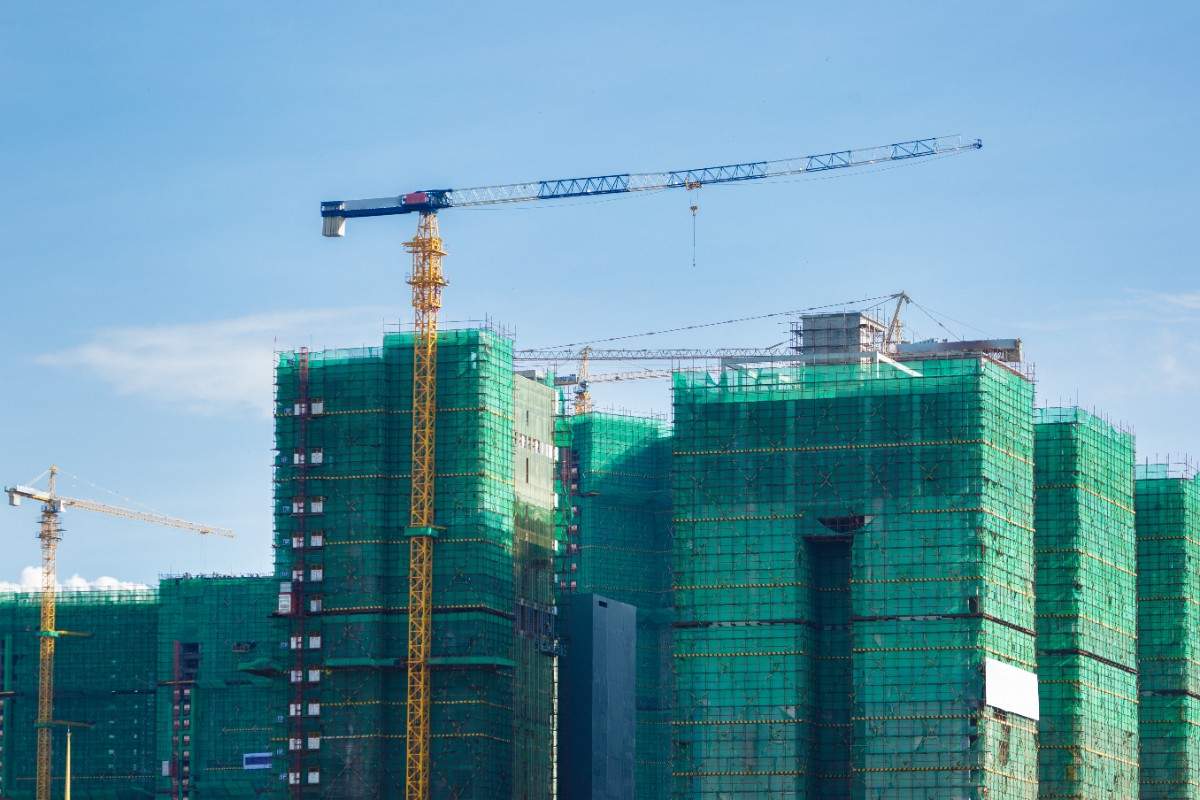
Construction sites are often open, temporary, and spread across large areas. Equipment is left overnight, materials are stored in bulk, and access points are not always tightly controlled. These factors make sites an easy target for theft and vandalism.
At the same time, there are serious operational risks to consider. Unauthorized access, safety violations, and lack of visibility can create situations that negatively impact both workers and project progress. Contractors and project managers often underestimate how quickly a single security gap can snowball into a much larger problem, whether it is a missing generator, damaged materials, or an unrecorded site entry.
Because of this, security needs to address both protection and site management, not just one or the other. A reactive approach is rarely enough. Sites that rely solely on locks and fences without any monitoring layer tend to experience higher rates of theft and are slower to respond when incidents occur.
Building a Practical Construction Site Security Strategy
A strong construction site security strategy starts with understanding how the site functions day to day. Instead of relying on generic setups, businesses need to look at where risks are most likely to occur, entry points, storage areas, equipment zones, and low-visibility sections of the site.
From there, security becomes more structured. Monitoring systems, access control, and clear protocols are aligned with how work actually happens on-site. This makes security less of an external layer and more of a part of operations.
What makes a strategy effective is not only coverage but also consistency, because if monitoring is active only at certain times or in certain areas, gaps will always remain.
Construction Site Security Checklist: What Needs to Be Covered
When planning for construction site security, a checklist really helps to think in terms of coverage rather than individual tools. A complete construction site security checklist typically includes:
- Monitor all entry and exit points
- Secure equipment storage and high-value material zones
- Maintain visibility across low-traffic and blind spot areas
- Implement access control for authorized personnel only
- Use proper lighting around active and restricted areas
- Install clear signage and site boundary markings
- Set up real-time alerts and incident response procedures
- Ensure surveillance systems are active during off-hours
- Maintain centralized monitoring for multi-site projects
- Regularly review and update security protocols as the site evolves
The Role of Real-Time Monitoring on Construction Sites
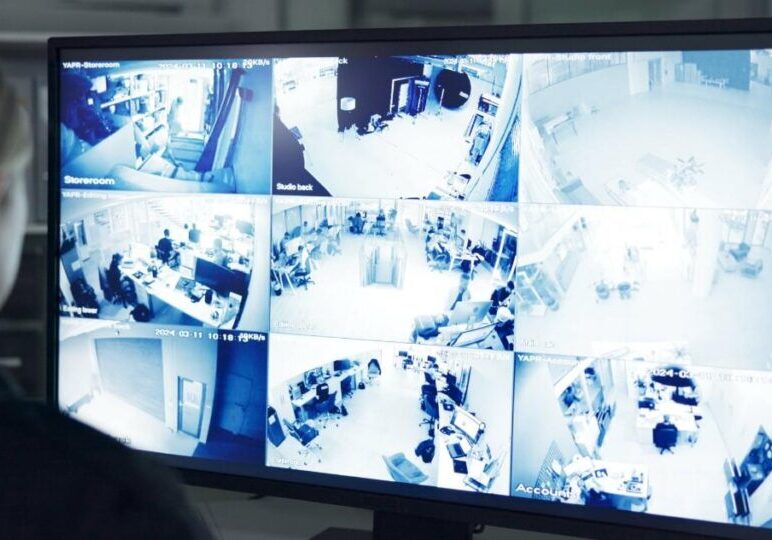
One of the biggest shifts in construction security is that it is now moving toward real-time visibility. So, instead of reviewing footage after an incident, businesses are now focusing more on identifying issues as they happen.
This approach has reduced response time and helps prevent incidents before they escalate into something serious. Live monitoring also allows site managers to oversee operations remotely, which is especially useful for projects spread across multiple locations.
Solutions provided by Resolute Partners are built around this concept. We offer live video monitoring and real-time alerts that give teams immediate awareness of what’s happening on-site.
How Video Surveillance Improves Site Security and Productivity
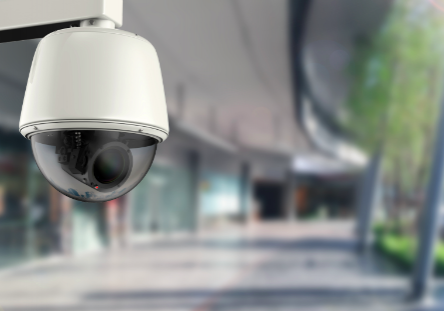
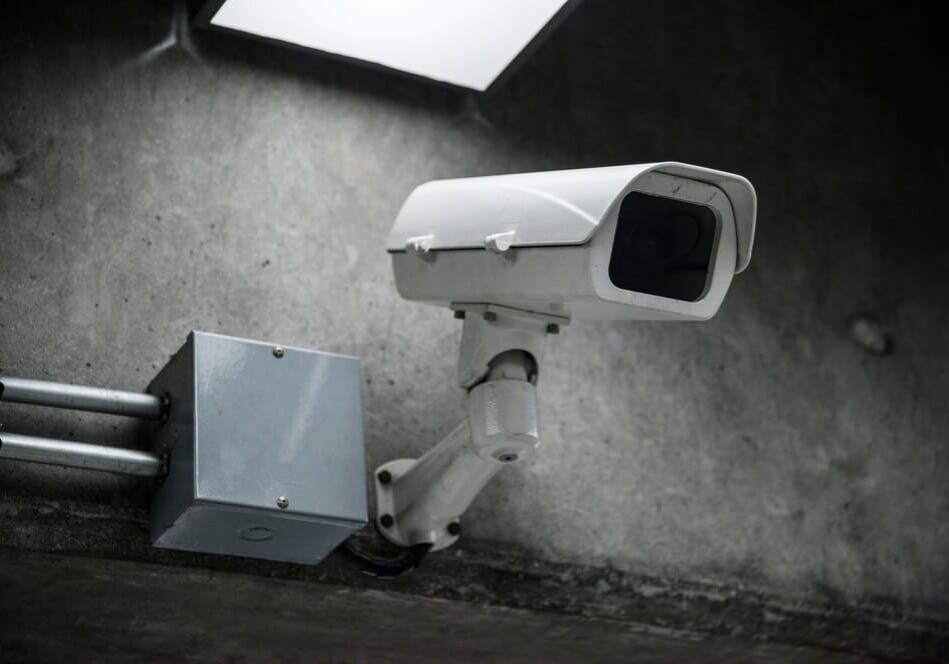
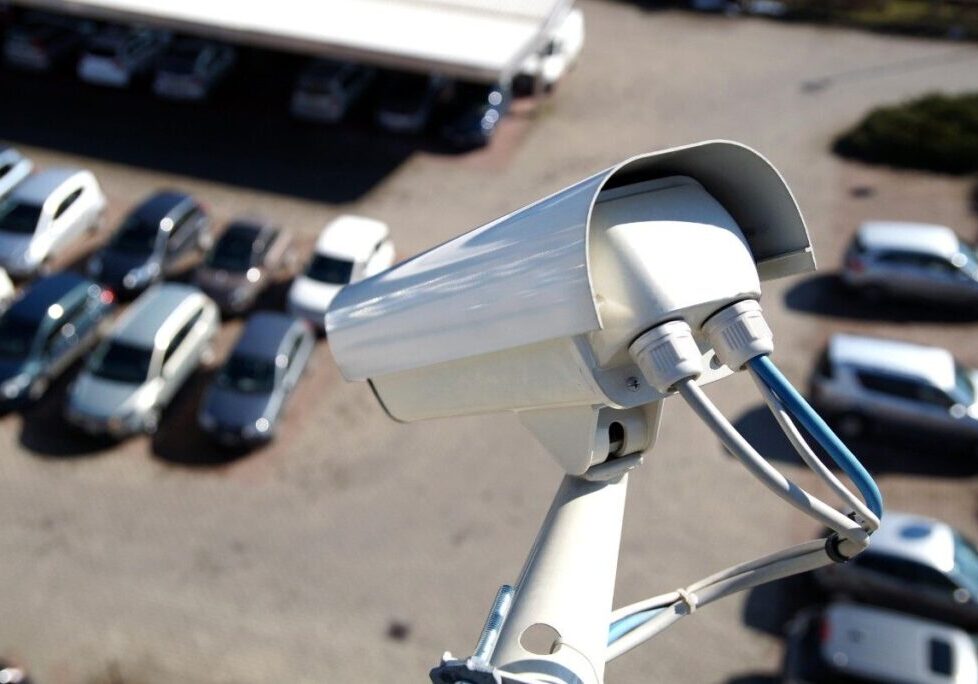
Surveillance systems on construction sites do not just deter theft but also provide real-time visibility into their daily operations to help managers identify safety issues, track work progress, and improve coordination between the teams.
With the recorded footage, businesses can easily review incidents, resolve disputes, and maintain documentation of project progress. This also creates a sense of accountability while also supporting better decision-making.
In many cases, this level of visibility also provides improved productivity so issues can be identified and addressed much quickly.
Managing Large and Multi-Site Projects with Centralized Security
We know construction companies often manage multiple projects simultaneously, which makes it difficult to maintain consistent oversight. Without a centralized system, each site operates independently and increases the chances of missed risks.
Fortunately, centralized monitoring makes it possible for organizations to have access to all sites on one interface (single pane of glass). This helps manage the activities and set up alarm systems that can be used to ensure consistency across locations.
Using AI and Smart Technology for Better Security Planning
Technology is ever-changing, and it is now changing how construction site security planning is approached. AI-powered systems can now detect unusual activity, identify patterns, and trigger alerts without needing constant manual supervision.
This is particularly useful for large or complex sites where monitoring everything manually is neither feasible nor practical. By identifying and highlighting what actually needs attention, these AI systems help teams focus on real risks rather than sorting through unnecessary data.
Why Construction Site Security Planning Needs to Be Scalable
Construction projects are temporary, but the risks associated with them are definitely not because as projects expand or new sites are added, security systems need to adapt without requiring a complete redesign.
A scalable approach ensures that security grows with the project. Whether it’s adding new cameras, expanding monitoring coverage, or inte
How Resolute Partners Supports Construction Site Security
In dealing with construction site security, one has to balance visibility, cost, and efficiency of operations. This is why it becomes useful to work with a provider who has a solution in place for such challenges.
Resolute Partners offers construction site surveillance solutions that combine video monitoring, IoT-based systems, and real-time analytics to provide continuous oversight. Our systems are designed to capture site activity, monitor safety conditions, and give managers remote access to live and recorded footage.
By integrating monitoring with intelligent alerts, businesses can reduce theft, improve site management, and maintain better control over project timelines and resources.
FAQs
1. What is a construction site security plan?
A construction site security plan is a structured approach to protecting a job site from risks like theft, vandalism, and unauthorized access while ensuring safety and operational efficiency.
2. What should be included in a construction site security checklist?
A construction site security checklist includes monitoring of entry points, equipment areas, material storage zones, access control, lighting, and a clear incident response process.
3. Why is real-time monitoring important for construction sites?
Real-time monitoring allows businesses to detect and respond to issues as they happen, reducing losses, improving overall site control and allowing for immediate dispatch of personnel as needed.
4. How does video surveillance help construction projects?
It helps deter theft, monitor safety, track progress, and provide documentation that can be used for dispute resolution, risk management and project management.
5. How can construction companies improve their security strategy?
By combining monitoring, access control, and scalable systems that adapt to changing site conditions, businesses can create a more effective and reliable security approach.

Michael S. Blanco is the Chief Executive Officer and Co-Founder of Resolute Partners, LLC, where he leads strategic initiatives across various divisions. After owning family entertainment centers in New England, he co-founded Resolute Partners in 1996, launching the first Internet cafés for the U.S. Navy and partnering with AT&T for global deployment. A pioneer in wireless communications, Michael has expanded the company’s focus to include Energy Management/IoT, Cybersecurity, and Managed Video Security. He holds a degree from the Rochester Institute of Technology.

Stay up to date.
Subscribe for latest news, protection tips, special offers, and more!