

What Is Live Video Monitoring?
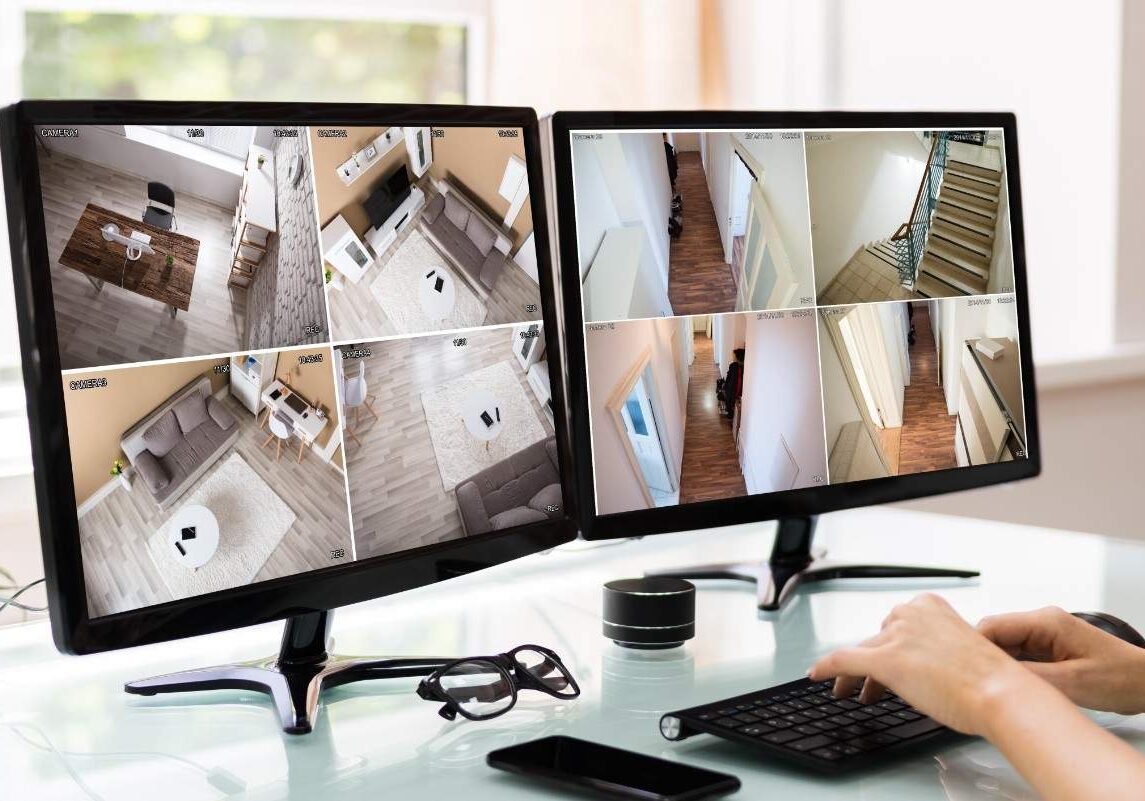
Live video monitoring is a professional security service that connects your existing cameras to a 24/7 monitoring center staffed by trained agents who watch your feeds in real time. Unlike standard CCTV monitoring that only records footage for later review, live video monitoring detects threats as they happen, verifies them instantly, and responds with a verbal warning through on-site speakers, a team alert, or direct law enforcement dispatch with video verification on the line.
Most incidents are stopped before they escalate, evidence is documented automatically, and your business stays protected around the clock, even when no one is on-site.
Key Benefits of Live Video Monitoring Services
Stop incidents in real time
Trained U.S.-based agents verify alerts instantly and intervene with live audio before theft, vandalism, or trespassing escalates.
24/7 human-verified coverage
Your cameras are watched overnight, weekends, and holidays, when a large share of commercial property crimes occur.
Lower total security cost
Monitor all cameras and entry points for less than the cost of a single overnight guard, while eliminating gaps from breaks and shift changes.
Intelligent Alert System
Agents dispatch law enforcement with live video on the line, prioritizing your call over standard burglar alarms and reducing false-dispatch risk.
Multi-location control from one dashboard
Manage security across dealerships, warehouses, construction sites, or retail stores from a single secure platform with consistent response protocols.
Multi-Location Scalability
Every incident is logged with video clips, timestamps, and agent notes to support claims, audits, and regulatory requirements.
Works with your existing cameras
Integrates with most cloud, NVR, DVR, and traditional CCTV systems, so you get proactive security without a full hardware replacement.
Does Your Business Need Remote Monitoring?
If any of these apply to your business, unmonitored cameras are not enough.
You've experienced theft, vandalism, or break-ins, or you're paying for on-site guards, but incidents still happen. Past incidents signal vulnerability, and if guards aren't stopping current losses, live monitoring fills the gaps guards can't cover.
Your business operates after hours in a high-risk industry. Restaurants, dealerships, cannabis operations, warehouses, construction sites, and retail stores are most vulnerable between close of business and opening. These industries face above-average crime rates and require proactive security, not just reactive footage review.
You have high-value inventory, equipment, or assets across multiple locations. The higher the value on your lots or in your facilities, the higher the theft incentive. Managing consistent security across multiple sites becomes exponentially harder without centralized live monitoring and uniform response protocols.
Your current cameras only record, no one is watching them Recording footage is not security; it's documentation. If your system isn't actively monitored in real time, you're collecting evidence of losses rather than preventing them.
The Cost of Not Having Live Video Monitoring
The numbers make the case better than anything else.
Construction site theft costs the U.S. industry between $300 million and $1 billion annually, with a recovery rate of less than 25% for stolen equipment. 70% of construction workers witness theft on job sites every year, and one in three projects experiences delays directly caused by criminal activity.
659,800 vehicles were reported stolen across the U.S. in 2025, representing hundreds of thousands of incidents that cost businesses and individuals billions in losses annually. For automotive dealerships and commercial parking facilities, vehicle theft remains one of the highest-cost crime categories.
Of the 66,662 cases reported to the Commission in fiscal year 2025, 4,804 involved Theft and Property Destruction. These cases have increased 13% since fiscal year 2021.
U.S. retailers lost an estimated $45 billion to shoplifting in 2024 alone, with retailers reporting an 18% increase in average shoplifting incidents compared to 2023.
How Our Remote Video Monitoring Works
From initial design to ongoing optimization, we're your long-term security partner, not a vendor who installs cameras and disappears.
1
AI Detects
Our remote video surveillance monitoring system analyzes every live feed continuously. AI filters out routine motion and flags genuine threats, unauthorized access, loitering, perimeter breaches, and suspicious behavior for immediate human review. No alert fatigue. No missed threats.
2
Agent Verifies
A trained U.S.-based security professional pulls up the live feed within seconds. Unlike automated alarm systems that fire on every motion trigger, our live video monitoring agents assess what's actually happening before taking any action which means fewer false dispatches and faster response when something real is occurring.
3
Live Audio Intervention
If the activity is suspicious, the agent issues a live verbal warning through your on-site speakers. A real human voice not a pre-recorded message telling an intruder they're being watched and that police are already on the way stops the overwhelming majority of incidents before they escalate.
4
Law Enforcement Dispatch
If verbal intervention isn't enough, our agent contacts local law enforcement directly and provides real-time video verification. Video-verified calls are prioritized over standard burglar alarms, which means faster police response when it counts most.
5
Incident Documentation
Every event generates a complete incident report video clips, timestamps, and agent notes delivered directly to your inbox and accessible through your secure client portal for insurance claims, internal investigations, and compliance audits.
What's Included in Our Remote Video Monitoring Services

24/7 Live Video Monitoring
Your cameras are watched around the clock by trained professionals at our U.S.-based monitoring center, including overnight, weekends, and holidays, when 50% of commercial property crimes occur.
AI-Powered CCTV Monitoring
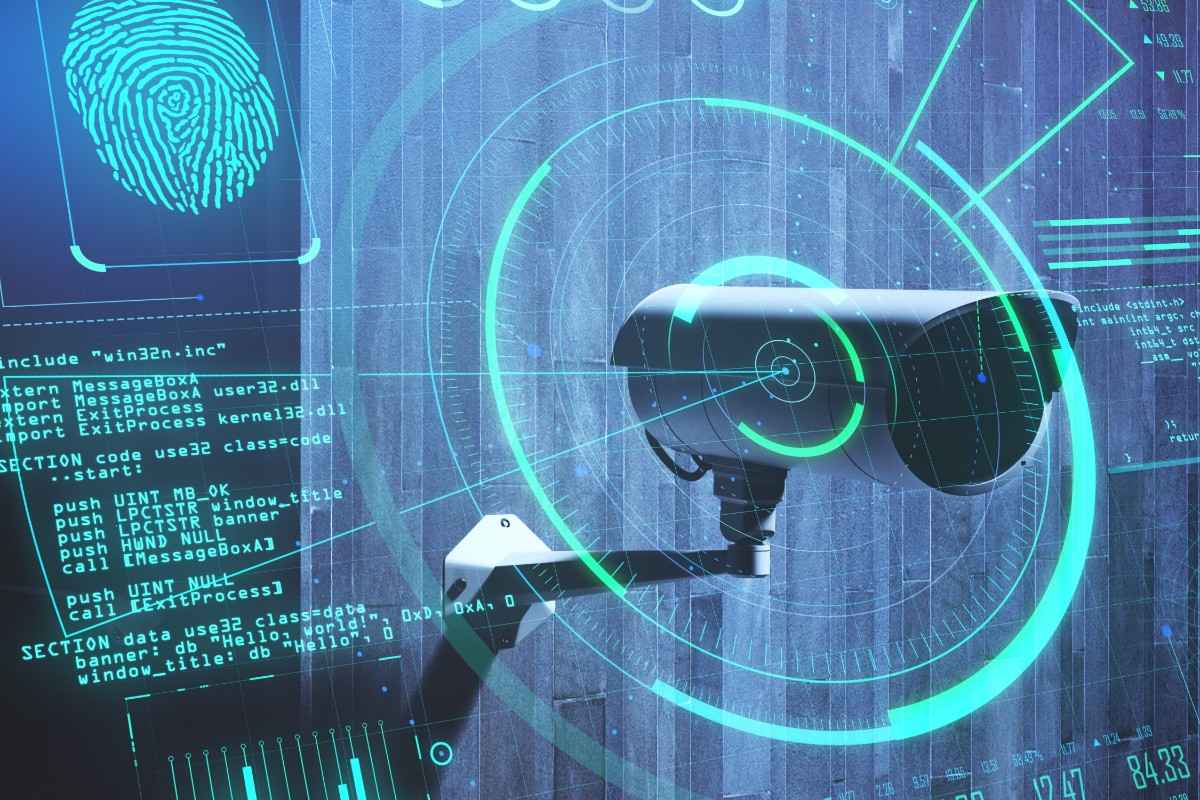
Our CCTV monitoring platform uses intelligent video analytics to distinguish real threats from harmless activity. It learns your property's patterns and flags anomalies, so agents spend their time on genuine threats, not false positives.

Live Audio Intervention
Two-way speakers let agents speak directly to anyone on your property in real time. In our experience, a live human voice is far more effective than sirens or pre-recorded warnings at stopping an intruder in their tracks.

Real-Time Video Monitoring services via Smartphone
Access live camera feeds, receive verified alerts, and review recorded footage from your phone at any time. Full visibility across every location, from anywhere in the world.

Incident Documentation & Reporting
Every security event is logged with video evidence, agent notes, and timestamps. Full incident history accessible through your secure client portal.

Compatible With Your Existing Cameras
Our remote video monitoring integrates with most existing camera infrastructure = cloud-based, NVR, DVR, and traditional CCTV systems without requiring a full hardware replacement. Most deployments are live within one business day.
Industries We Protect With Remote Video Monitoring Services

Automotive Dealerships
Open lots, high-value inventory, and minimal overnight staffing make dealerships prime targets for vehicle theft, catalytic converter theft, and after-hours break-ins. Our live video monitoring services cover every aisle, entrance, and service bay. Agents intervene the moment someone approaches vehicles after hours, before a single window gets smashed.

Warehouses & Distribution Centers
Large facilities with multiple loading docks, extensive perimeters, and high-value inventory are difficult to secure with traditional methods. Our remote monitoring services cover perimeter access and internal operations, catching unauthorized entry and documenting loading dock activity that resolves shipping disputes and internal theft investigations.

Construction Sites
Equipment, copper wire, and materials disappear overnight. Trespassers create liability exposure. Resolute's live video monitoring covers sites with both fixed and mobile camera deployments, including setups compatible with locations where permanent power isn't yet available. Camera positioning adjusts as your project evolves.
Multi-Family Residential
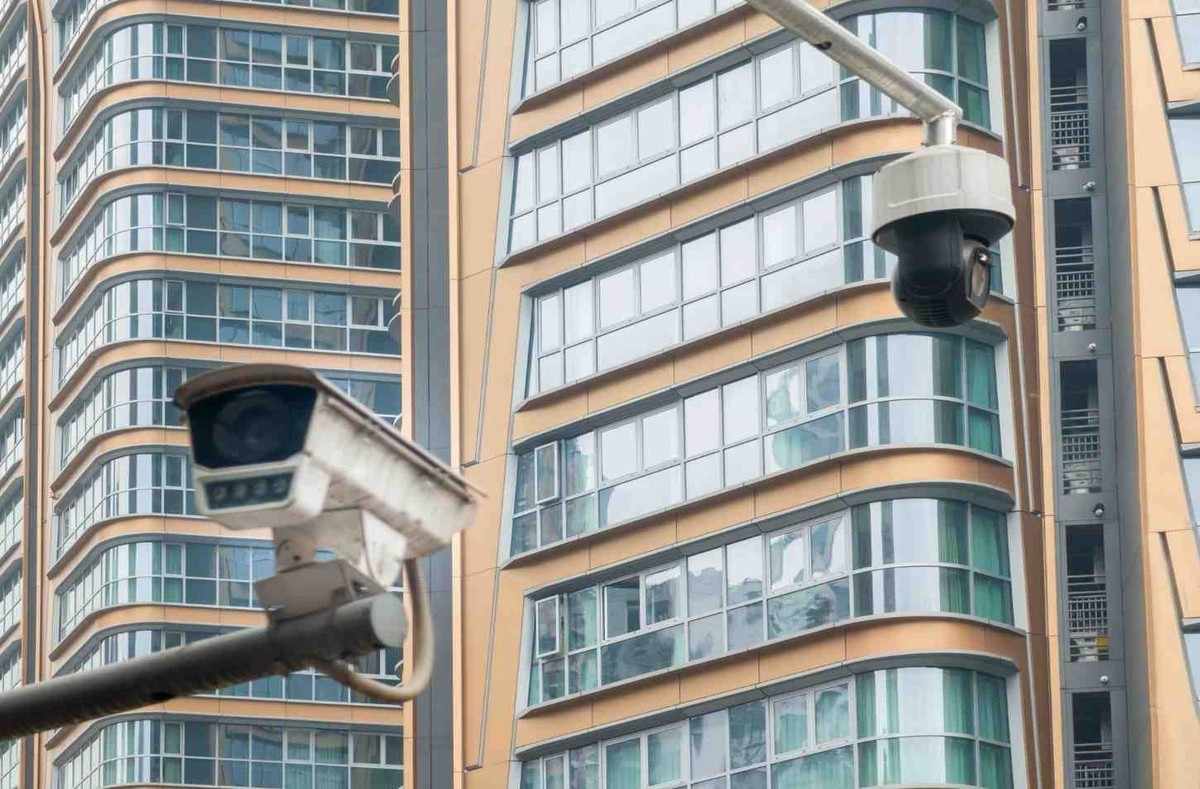
Common areas, parking structures, hallways, and entry points require around-the-clock visibility. Our security camera monitoring service keeps residents safe and gives property managers documented evidence to resolve liability questions and tenant concerns quickly.

Cannabis Operations
State regulations mandate specific camera coverage, retention schedules, and access logs. Resolute's CCTV live video monitoring is built to meet compliance requirements while delivering the live intervention capability that actually prevents crime, not just records it for regulators.

Shopping Centers & Retail
High foot traffic during business hours and exposed parking structures after hours create distinct security challenges. Our remote monitoring services cover tenant areas, common spaces, and perimeters with real-time response when incidents occur.

Office Buildings & Commercial Properties
After-hours security, parking lot safety, and common area protection managed from one centralized platform. Our live security monitoring also covers vacant properties between tenants, where buildings attract squatters, vandals, and copper thieves without the ongoing cost of stationing guards on-site.
What Makes Resolute's Live Video Monitoring Different?

U.S.-Based Monitoring Professionals
Every alert is verified by a trained agent at our U.S.-based monitoring center. No offshore call centers. No automated responses without human review. Real people watching in real time, every hour of every day.

AI and Human Response Working Together
AI filters noise and flags threats the moment they occur. Live agents verify and respond with appropriate action. The combination delivers faster detection and more accurate intervention than either approach alone, which is why businesses that switch from automated-only systems consistently see better outcomes.

Works With Your Existing Infrastructure
Whether your cameras are cloud-based, NVR-connected, or traditional CCTV, Resolute integrates without ripping out your existing investment. No costly hardware replacement cycles. Operational within one business day in most cases.

Mobile App Access & Remote Viewing
Monitor your cameras, receive verified alerts, and review footage from anywhere through Resolute's multi-user mobile app, with full visibility into every site, from the palm of your hand.

One Platform, Every Location
Live video monitoring of one site or hundreds through a single secure dashboard. Add cameras, users, and locations without separate monitoring contracts or new hardware cycles. Purpose-built for multi-site enterprises.

Proven Results
8,023 crimes deterred. 260+ arrests assisted. 1,500+ active interventions. 28 years protecting commercial businesses across every industry, from single-location retailers to enterprise multi-site operations across the U.S.