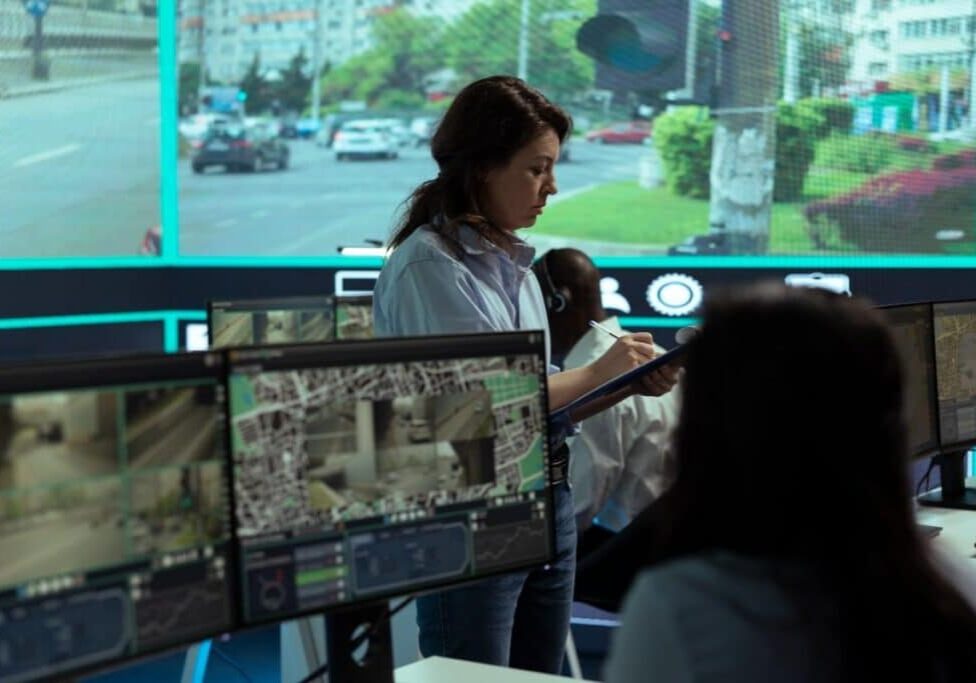
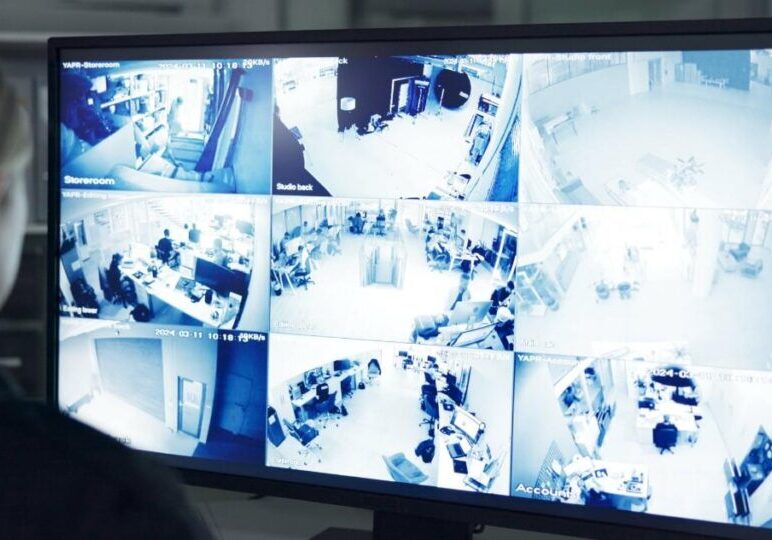
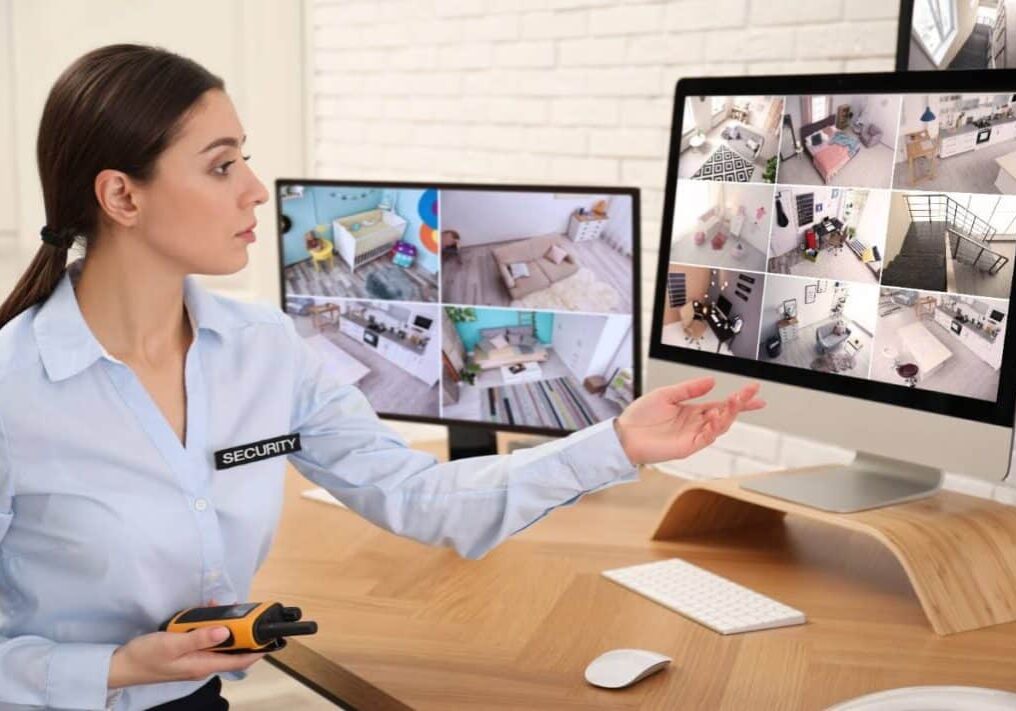
Summary: Security now requires video recording systems that operate in an active mode to identify threats and deliver operational information to users. The terms CCTV and video surveillance refer to distinct systems that serve different functions. Video surveillance operates through advanced technology that uses high-definition cameras, artificial intelligence, and networked systems to monitor areas in real time.
Resolute Partners provides complete operational solutions for businesses, government organizations, and multi-location clients. We deliver intelligent security solutions through our VSaaS platform, which combines live monitoring with IoT technology for a fixed monthly fee.
CCTV and video surveillance are often treated as separate technologies, but in practice, they describe the same core function at different points in their evolution. CCTV emerged from analog systems built on closed, local networks, and the term has remained in use even as camera technology advanced. Modern deployments, however, rely on networked cameras, cloud platforms, and intelligent analytics that extend far beyond the limits of traditional closed-circuit setups.
Today, video surveillance is the more accurate term for systems that support real-time monitoring, remote access, and intelligent response across multiple locations. At Resolute Partners, this modern approach underpins how security is delivered, using managed video surveillance and VSaaS solutions that align with current operational and connectivity requirements rather than legacy definitions.
What Is CCTV and Video Surveillance?
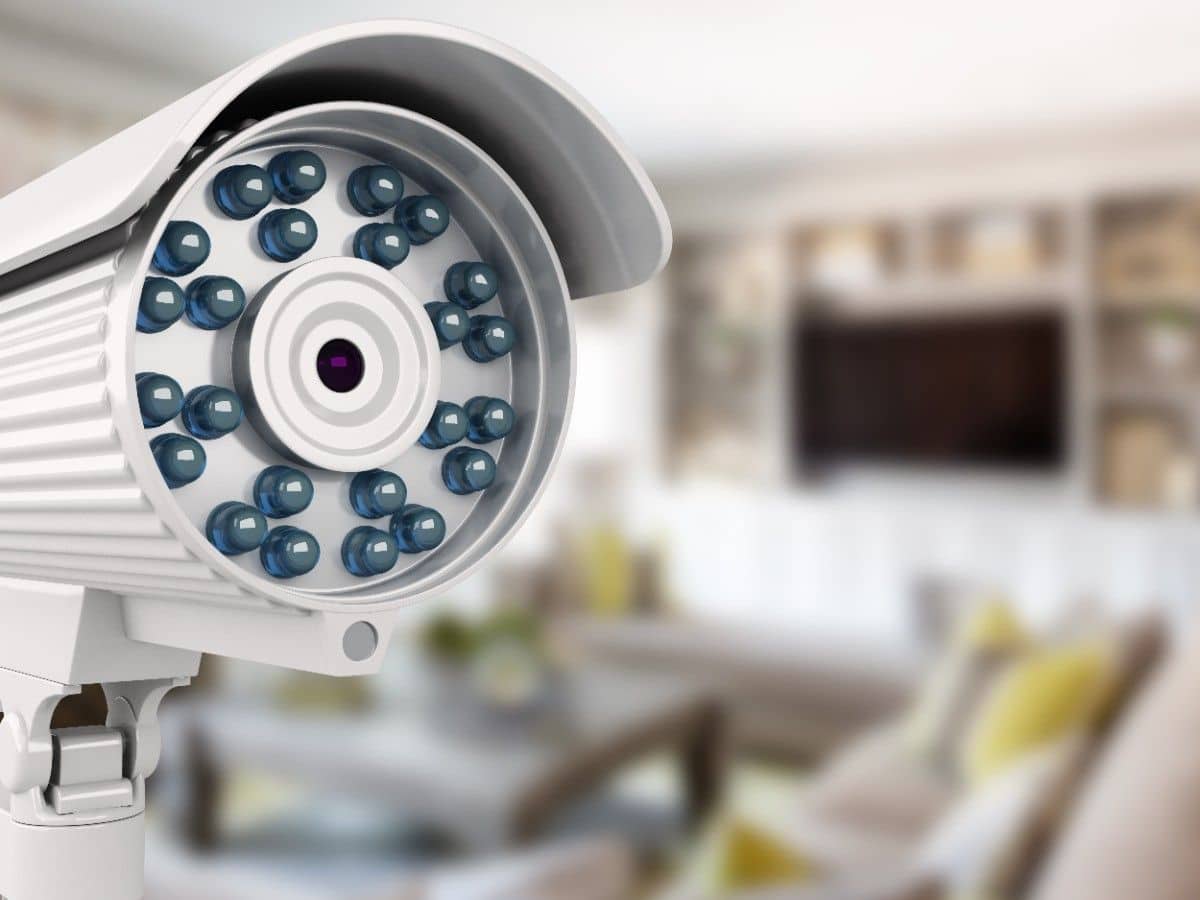
The CCTV market valuation will increase significantly to reach USD 233.9 billion by 2034 because of strong annual growth, which will continue throughout the upcoming decade. The quality of security cameras varies because not all cameras have the same performance capabilities. Every organization needs to understand the distinction between CCTV and video surveillance systems.
CCTV Explained
CCTV, or Closed-Circuit Television, is the classic form of video monitoring. The cameras transmit their video feed to either a local recorder or a monitor display. The system uses coaxial cables for connections and depends on DVRs for storing its recorded video content. The system presents an easy-to-use design that operates reliably throughout various environments such as office lobbies, parking lots, and warehouses. The primary purpose of the footage is to permit future examination. The system provides effective surveillance for wide spaces, but it fails to deliver real-time notifications to users.
Video Surveillance Explained
The system operates as a networked surveillance system, which is designed to respond to immediate events. The system uses IP networks to connect cameras, which store their recordings on NVRs and cloud storage. The majority of cameras provide high-definition video quality, enabling users to view sharp details and zoom in on objects while maintaining better visibility in dark environments. Modern systems can include motion detection and facial recognition systems, and analytics tools that detect unusual activities. The system functions optimally for business clients and government clients who require more than video footage because they need actual system control, operational insight, and critical notification alerts.
CCTV vs Video Surveillance: How Do They Compare?
Choosing the right system depends on what you want it to do. Let’s break down the key differences.
Image Quality
CCTV cameras usually record at standard resolution. The images are sufficient for basic monitoring tasks. The video surveillance cameras produce high-definition footage, which includes 1080p and 4K resolution formats. The system enables users to view details at various distances while using fewer cameras to monitor extensive regions.
Power Supply
CCTV cameras need either coaxial cables or dedicated power circuits for their operation. The process of relocating them presents challenges. Video surveillance cameras provide greater installation flexibility. The majority of users power their devices through power over Ethernet while using batteries or solar energy. The system allows for expansion because the equipment can be moved to new locations without any need for electrical work.
Storage
CCTV stores footage on DVRs. The system enables users to access stored video content from remote sites. The video surveillance system uses NVRs with cloud storage and hybrid storage solutions. Users can watch live video feeds from any location while they download video clips and manage their storage operations.
Cost
CCTV systems have lower initial costs. Basic security requirements make this solution appropriate for your needs. The cost of video surveillance systems exceeds basic requirements but delivers additional capabilities, better system adaptability, and operational tracking functions. The solution serves as a strategic investment that provides permanent protection and operational efficiency.
Usage
CCTV performs optimally in locations that need to monitor large spaces, such as office hallways, parking lots, and warehouses. Video surveillance systems function effectively in areas that require real-time monitoring and immediate alerts to security personnel.
What Are the Primary Features of Video Surveillance?
Modern video surveillance systems do more than record—they protect and inform.
24/7 Monitoring
Professional operators can monitor cameras around the clock. They can identify potential threats as they happen. It’s not just about looking at screens; it’s about ensuring incidents are caught early.
Analytics
Video surveillance systems can detect unusual movement or suspicious objects. The system sends alerts directly to the operators. It enables the detection of hidden objects and facial recognition, which results in quicker and more intelligent operational responses.
Remote Access
With remote video surveillance, you can monitor your business from a phone, tablet, or laptop. Live feeds, historical footage, and alert notifications are all accessible wherever you are.
Proactive Deterrence
Video surveillance systems offer active threat prevention, which distinguishes them from standard CCTV systems. The system sends out alerts that inform staff members and law enforcement officers about potential threats. This method allows you to prevent problems from developing into larger issues.
Camera Types
- Thermal Cameras: Detect heat, useful in low-light or obscured areas.
- HD Cameras: High-resolution for precise monitoring.
- Specialized Cameras: Dome, bullet, panoramic, tilt-zoom, or dual-head cameras. Each is suited for different environments or purposes.
Installation and Support
Professional installation of the system guarantees that all local building codes will be followed. Your staff members will remain up to date with current knowledge through training programs that your organization provides. The technical support team provides maintenance and emergency assistance throughout the entire week.
How Does VSaaS Enhance Surveillance?
A complete video surveillance system requires surveillance cameras to function as its essential component. The system provides all required equipment and software with monitoring services, secure video storage, cybersecurity protection, maintenance services, and technical support through a single monthly subscription.
Businesses achieve cost savings and eliminate their requirement for internal IT and security personnel by hiring external service providers, like Resolute Partners, who maintain their surveillance systems through continuous monitoring, system updates, and performance optimization.
CCTV or Video Surveillance: Which One Should You Choose?
Choosing between CCTV and video surveillance is about understanding your needs, coverage, and budget.
Define Your Security Objectives
- High-Security Areas: Video surveillance is best. AI, alerts, and remote access make it suitable for sensitive operations.
- General Monitoring: CCTV works for broad coverage in low-risk areas.
Consider Your Budget
- Limited Budget: CCTV provides a simple, cost-effective solution.
- Higher Budget: Video surveillance gives better resolution, analytics, and proactive monitoring.
Operational Needs
Video surveillance becomes essential when you require multi-site monitoring and remote access, and system integration capabilities. The basic monitoring needs of your system can be met through the use of CCTV cameras.
How Resolute Partners Can Help
Resolute Partners provides end-to-end security and network solutions for businesses and government agencies. Since 1997, Resolute Partners has been helping organizations across the U.S. build networks and security systems that actually work, without the usual headaches. Our company provides customized solutions that we develop through our equipment installation process for all types of clients, including schools, hospitals, multi-family residences, and government facilities. Every system is built to be reliable, efficient, and easy to manage.
Video Security Services
Our Video Surveillance as a Service (VSaaS) solution provides 24-hour monitoring through live monitoring with managed video surveillance services and AI-powered analytics. The system detects suspicious behavior as it happens, which enables your team to receive necessary information for dealing with problems before they become more serious.
Wi-Fi Network Solutions
The modern operations depend on their main foundation, which includes a strong network. We develop secure high-performance Wi-Fi networks that enable staff members, guests, and devices to maintain their connections. Our networks provide hospitals, schools, hotels, and government facilities with reliable systems that protect their security needs and support future growth.
IoT Integration
We integrate IoT systems across your network, wired or wireless, so that environmental sensors, energy systems, and security devices work together. The system creates a unified connection that delivers operational insights while maintaining continuous business functions.
Energy Management Systems
Efficiency is more than saving money; it serves as a measurement tool for business control. Your facilities benefit from our Energy Management Systems, which track power consumption and optimize energy usage. We achieve waste reduction and cost savings while maintaining system safety through our usage and system load tracking.
Government Cybersecurity
Security functions as a mandatory requirement for government clients because it serves as their primary operational requirement. Our cybersecurity services protect sensitive data and mission assets while delivering compliance with federal regulations. Our solutions provide agencies with assurance that their operations will continue without disruptions.
Conclusion: Make the Right Choice for Your Security
Security today requires more than monitoring because it needs active capabilities that enable organizations to identify problems and stop them from developing further. With Resolute Partners’ live video monitoring service, your entire property receives continuous surveillance from professional operators who monitor every area throughout the day. Our trained operators use real-time surveillance together with smart alerts and immediate response protocols to protect your assets, staff, and visitors at construction sites, retail stores, and residential complexes.
Understanding the CCTV & video surveillance difference is essential when selecting the right solution, as it helps businesses move beyond passive recording toward proactive, real-world protection.
The advanced security solution of Resolute Partners enables your property to remain safe, compliant, and protected against emerging threats through its customized live monitoring system.
[Schedule Your Live Monitoring Consultation Today]
FAQs
Q1. What Is the Difference Between CCTV and Video Surveillance?
CCTV records video for later review and uses DVRs. The system uses networked equipment to provide high-resolution video monitoring, which enables operators to receive alerts during actual operational time.
Q2. Which Industries Benefit Most From Video Surveillance?
The proactive monitoring and analytics services provide the highest benefits to retail establishments, warehouse operations, multi-family residential complexes, automotive dealerships, government facilities, and industrial sites.
Q3. What Should Businesses Consider When Choosing a System?
The main factors that determine the selection of access control systems include security goals, area coverage needs, budget constraints, required analytic capabilities, remote monitoring demands, and system integration with Internet of Things devices or access control systems.
Q4. What Are the Benefits of VSaaS?
VSaaS provides complete installation services, which include monitoring systems and storage solutions, and software maintenance with cybersecurity protection services at a monthly rate, which eliminates the need for internal staff members.
Q5. How Can Resolute Partners Support Advanced Deployments?
We provide complete network systems, which include artificial intelligence security cameras, continuous surveillance, Internet of Things network links, and permanent maintenance services to their enterprise and government customers

Michael S. Blanco is the Chief Executive Officer and Co-Founder of Resolute Partners, LLC, where he leads strategic initiatives across various divisions. After owning family entertainment centers in New England, he co-founded Resolute Partners in 1996, launching the first Internet cafés for the U.S. Navy and partnering with AT&T for global deployment. A pioneer in wireless communications, Michael has expanded the company’s focus to include Energy Management/IoT, Cybersecurity, and Managed Video Security. He holds a degree from the Rochester Institute of Technology.

Stay up to date.
Subscribe for latest news, protection tips, special offers, and more!


Live Video Monitoring
Our trained video security surveillance monitoring professionals can quickly spot suspicious activity captured by business security cameras. We review live video to determine if criminal behavior is suspected.