Summary: An EMIS system (energy management information system) manages a building’s energy consumption through software, sensors, and communication tools. They can analyze the data, make informed decisions, and identify faults to save money and reduce emissions. RF networks connect devices across different buildings, enabling centralized energy information management and personalized energy-saving strategies.
Energy management control systems (EMIS) are broadly defined as software, data acquisition hardware, and communication systems used to manage building energy use. Composed of devices, hardware, software, services, and analysis tools, EMIS is helping enterprises reduce building energy costs and, more importantly, significantly lower their carbon footprint while improving overall energy information management.
Energy Management Information Systems Terminology and Acronyms

An energy management information system uses a network of tools that provide analysis, diagnostics, automated monitoring, benchmarking, and utility tracking. Understanding each component of energy information management often involves a wide range of terminology. Here are the basic EMIS terms and acronyms:
Energy Information Systems (EIS) – EIS refers to systems used for analysis within an energy management information system. Analysis includes baselining, benchmarking, utility and carbon tracking, load profiling, and energy anomaly detection—key components of effective energy information management.
Building Automation Systems (BAS) – Building automation is the automatic centralized control of a building’s environmental, power, and security systems. As part of an EMIS system, BAS supports efficient energy management information system operations. Examples include HVAC, lighting, and video security monitoring.
Automated Equipment-specific Fault Detection and Fault Diagnosis (AFDD) – Numerous real-time energy management devices are in place for monitoring the power consumption of different building equipment. Such devices perform automatic temperature regulation, power consumption limitation, and energy rerouting as their main tasks. AFDD tools enable tight monitoring of the systems at all times. For instance, they send an alarm when HVAC systems draw excessive power. Data provided by the system identifies poorly operating equipment to managers and offers optimization advice for the better-performing equipment.
RF Network Connectivity for EMIS
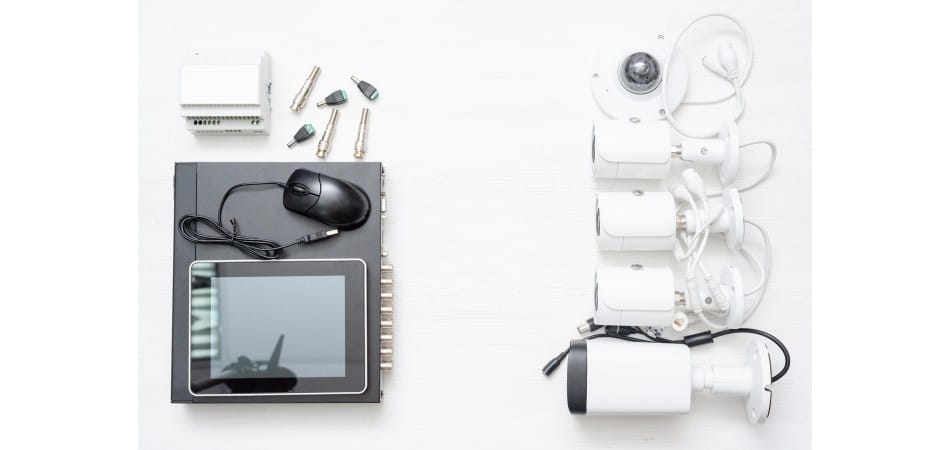
Regardless of the definition or acronym, the challenge for energy managers is securely connecting all monitoring and control devices to a reliable network. An EMIS network must be capable of reporting energy management device and system data to a central control center. It must be able to send control instructions back to those devices.
RF network connectivity for energy management systems is the ideal solution for multi-building environments. Resolute Partners designs custom RF networks that connect a full range of iot solutions with a centralized management database and various control applications. Contact Us to learn more.
FAQs
An Energy Management and Information System is a combination of software, sensors, and communication tools that monitor and control a building’s energy consumption, thereby assisting organizations in saving money and reducing their carbon footprint.
An EMIS consists of three main components: Energy Information Systems for data analysis, Building Automation Systems for centralized control, and Automated Fault Detection and Diagnosis tools that help identify equipment problems.
It provides real-time data that enables facility teams to waste less energy, repair faulty systems quickly, and optimize system performance.
RF networks ensure uninterrupted communication among devices in different buildings, thus making centralized monitoring and management easier.
Absolutely. EMIS solutions can be customized to meet the specific needs of the equipment, organizational goals, and compliance obligations, helping streamline an organization’s priorities.

Michael S. Blanco is the Chief Executive Officer and Co-Founder of Resolute Partners, LLC, where he leads strategic initiatives across various divisions. After owning family entertainment centers in New England, he co-founded Resolute Partners in 1996, launching the first Internet cafés for the U.S. Navy and partnering with AT&T for global deployment. A pioneer in wireless communications, Michael has expanded the company’s focus to include Energy Management/IoT, Cybersecurity, and Managed Video Security. He holds a degree from the Rochester Institute of Technology.

Stay up to date.
Subscribe for latest news, protection tips, special offers, and more!


Live Video Monitoring
Our trained video security surveillance monitoring professionals can quickly spot suspicious activity captured by business security cameras. We review live video to determine if criminal behavior is suspected.