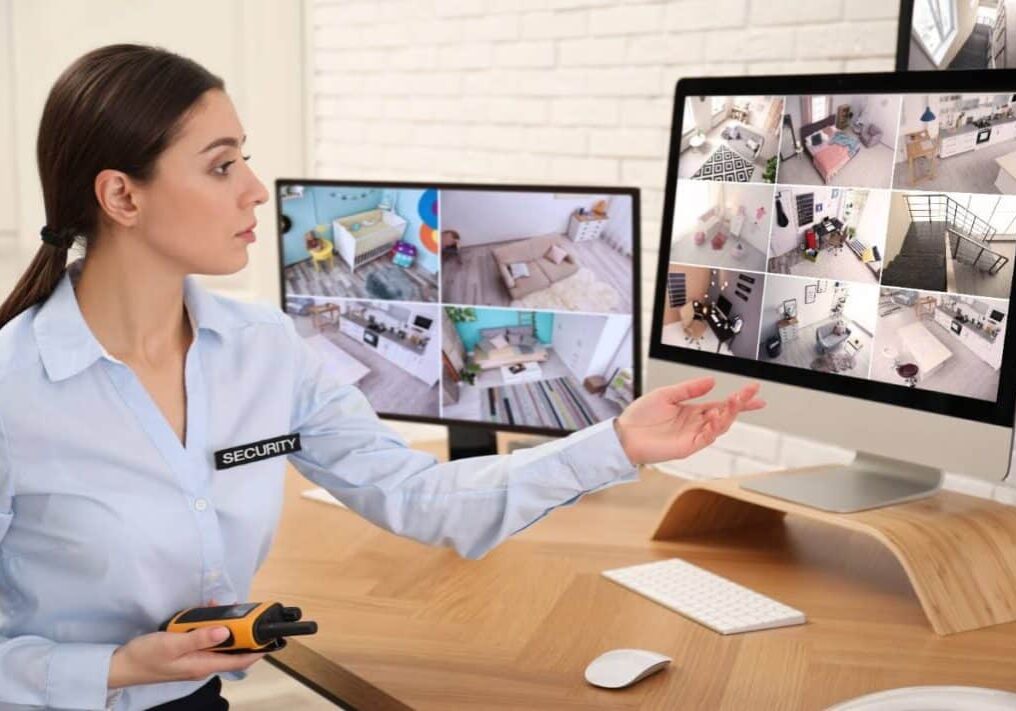
Summary: Successful logistics operations are built on secure warehouse facilities using advanced surveillance systems. However, there are more important benefits to having a security camera for warehouse security than just reducing theft. Warehouse security systems play an integral part in providing maximum visibility to these facilities, helping them to become more efficient, and ensuring compliance within entire warehouses and storage facilities. In this guide, we will discuss what warehouse security challenges are, what the essential parts of an effective security system are, and how you can efficiently implement it.
Warehouses are busy, chaotic spaces. A warehouse environment involves continuous movement due to the operation of forklifts, trucks, and employees. This highly active environment results in unavoidable hazards. The global warehouse automation and security market size is anticipated to exceed USD 50 billion by 2030. Organizations are building new systems with higher intelligence and reliability, as conventional security measures like locks, security cameras, and guards have failed to prove fully effective.
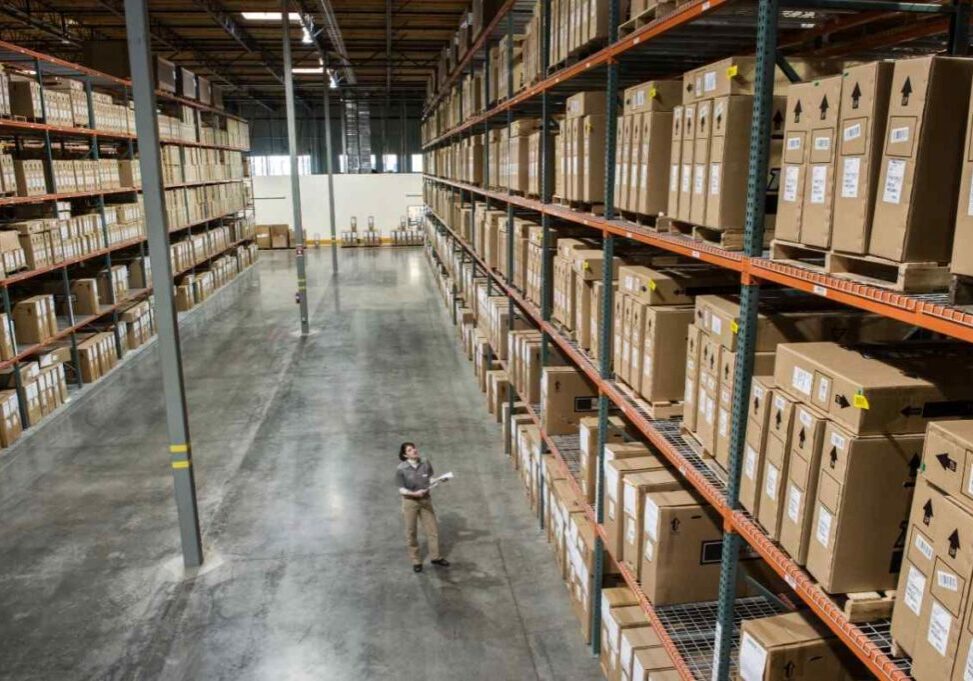
Modern warehouses also require security cameras because many hold valuable inventory as part of their operations. Moreover, their complex supply chain systems operate across multiple shifts. Security systems serve as an essential element to prevent theft. At the same time, they improve business operations, regulatory compliance, and staff protection and safety.
What Is Warehouse Monitoring and Why Is It Essential?
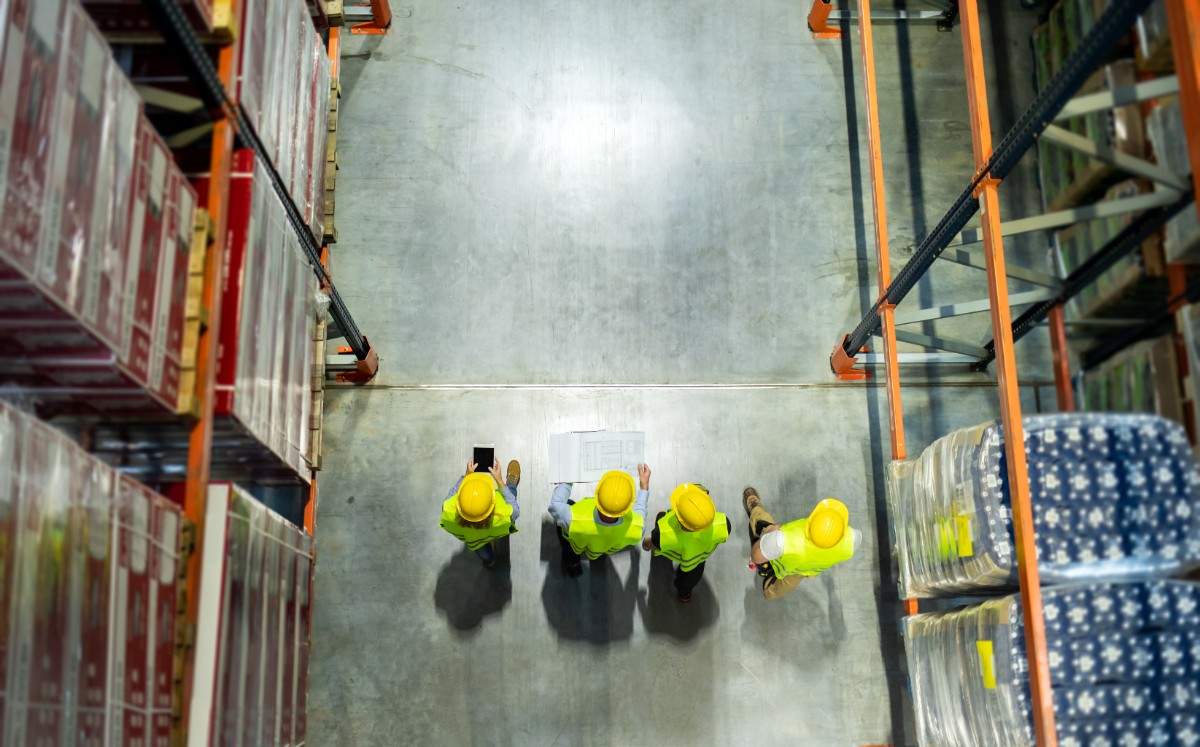
A warehouse often records all activities, including both inventory management and equipment operation, through warehouse IoT monitoring systems. These monitoring systems use security cameras with sensors and IoT devices for continuous monitoring of operational performance.
Why It Matters
- Operational Awareness: This functionality provides managers with constant awareness of all operational activities and functions, no matter where they take place.
- Incident Prevention: The system captures all activities exhibiting unusual behavior to detect potential security and safety threats that could lead to serious incidents.
- Data-Driven Decisions: Organizations use video evidence as well as analytics as tools in their operations because these tools are useful in improving organizational layouts and employee efficiency.
Video surveillance facilitates proactive asset management through effective warehouse surveillance, which enhances logistics.
How Do Warehouse Security Cameras Enhance Logistics Operations?
High-quality warehouse security cameras are more than a deterrent; they integrate into operational workflows.
Real-Time Oversight
Supervisors use strategically located cameras that provide coverage of the docks, storage areas, and the periphery of the area of interest to monitor the activities of the ongoing operations. It helps improve the management of the inventory and the reduction of delays in the relevant operations.
AI-Assisted Alerts
In contemporary systems, artificial intelligence has been employed to detect abnormal behavioral patterns, which include loitering, access, and movement within restricted areas. The alerts are sent to the security personnel/operators without any delay.
Cloud-Managed Access
The cloud system facilitates the management of video feeds, which enables users to monitor multiple sites through a single view. It provides an opportunity for the management of various activities to be reviewed while managing incidents and creating required documents.
Operational Efficiency
This system is used to monitor activities with the aim of obtaining information that will benefit the logistics operation based on the data that has been collected. Video analysis assists teams in retrieving information, taking into account the value of the information, with the aim of identifying traffic and optimizing the use of materials and workers.
What Are the Most Common Warehouse Security Challenges?
There are four different kinds of risks that warehouses experience because they have to be protected not only from security risks and safety risks but also from risks associated with running their day-to-day operations at maximum capacity.
Theft and Loss
Theft is an easy crime to commit in these warehouses since they have valuable goods and offer multiple entry points. The management of inventory requires constant surveillance since it is prone to risks associated with both internal and external threats.
Nighttime Vulnerability
Most of the security risks occur during periods when there are not many employees in the warehouse. The system should be constantly monitored since there are many cases of theft, vandalism, and accidents.
Safety Hazards
Risks are involved in collisions with forklifts, trucks, and pedestrians, as well as fall accidents. The security cameras placed in the warehouse are effective in protecting high-traffic areas through their monitoring procedures.
Regulatory Compliance
Food distribution and pharmaceutical industries require surveillance operations because they need documented proof for both audit purposes and insurance compliance.
The solution calls for an overall system that will include provisions for integrating these elements with human supervision and analysis.
What Are the Key Components of Warehouse Security System Design?
A properly designed warehouse security system incorporates a variety of security layers to safeguard operational processes and warehouse resources, ensuring safety standards and operational efficiency.
Video Surveillance Infrastructure
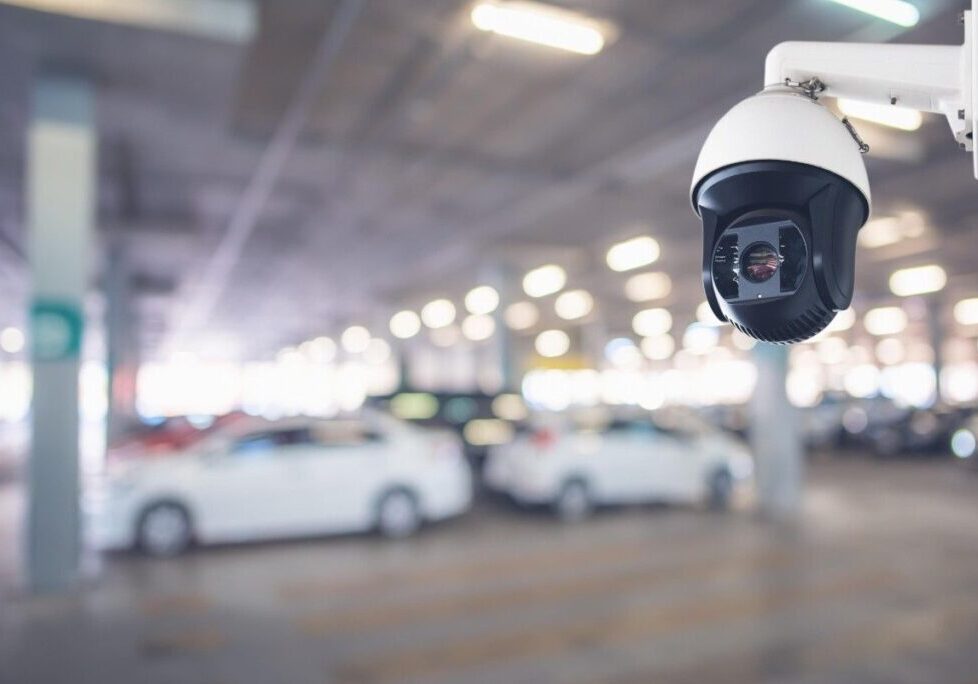
To mitigate the high-risk zones, the overall camera surveillance is ensured by the use of high-resolution fixed dome cameras and panoramic cameras. The purpose of thermal and low-light cameras is to ensure overall visibility, even in low-light conditions or at night. To ensure total coverage, the areas around the docks, sections of the storage aisles, and security perimeters are covered.
Video Management Software
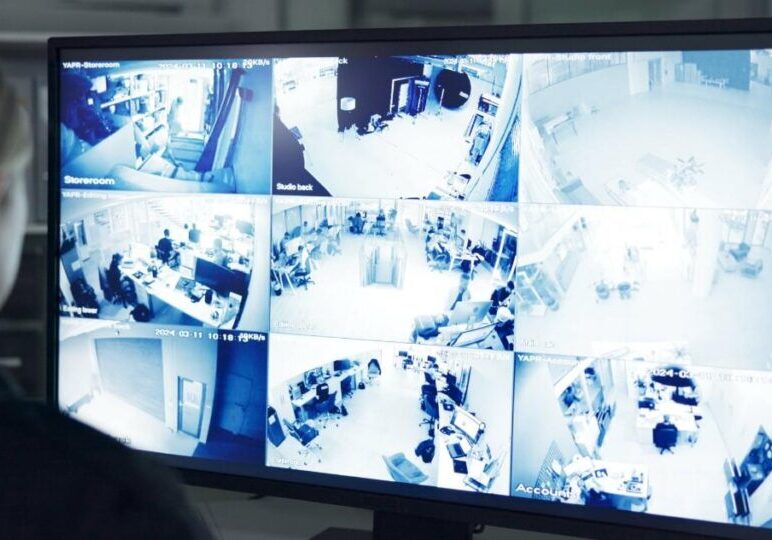
The central dashboard management system allows users to access live and recorded video, either on-site or remotely. It securely stores footage on-premise or in the cloud, ensuring protection and audit access. The system operates effectively across multiple locations and supports productivity as the business grows.
Live Video Monitoring
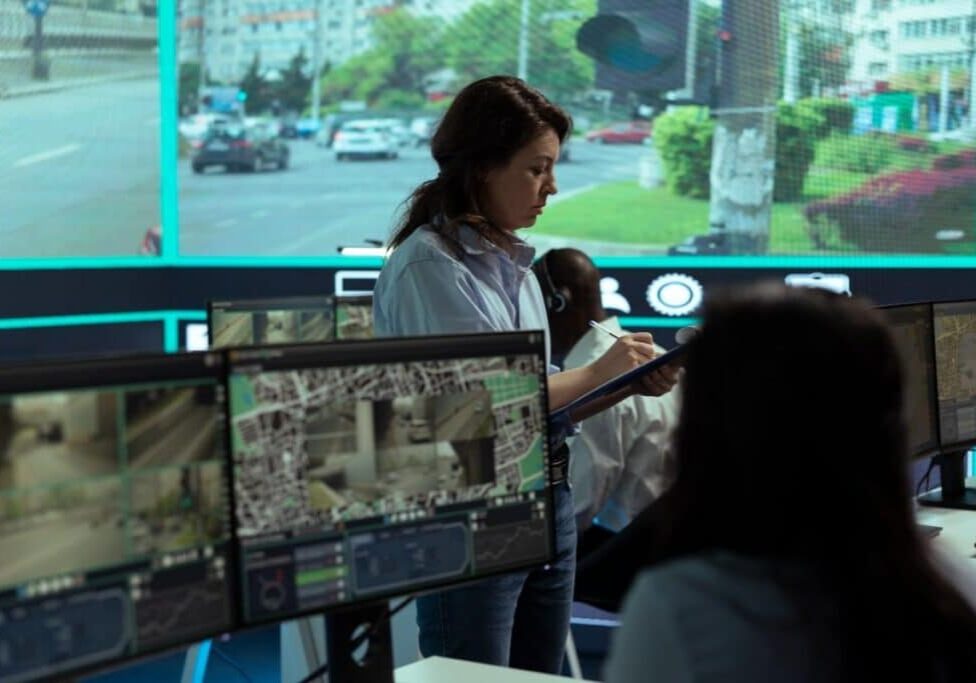
Licensed operators use live monitoring to identify any suspicious activity that may occur during monitored hours. The system initiates response actions through immediate notifications, which can include alerting on-site staff and notifying police authorities. The system also maintains continuous security through a combination of human security personnel and automated monitoring systems.
Analytics and AI Alerts
- Detects unusual movements and loitering in real time.
- Identifies potential security threats before they escalate.
- Sends immediate alerts to security personnel and authorities.
- Uses video analytics to uncover operational insights.
- Improves inventory tracking, workflow efficiency, and overall productivity.
How Does Live Video Monitoring Protect Warehouses After Hours?
The live video monitoring process allows cameras to become active security personnel instead of simply functioning in their role in security.
Continuous Oversight
The operators monitor the feeds around the clock, especially during high-risk times, e.g., at night and weekends.
Immediate Response
If suspicious activities are noted, the monitoring team takes prompt action on the situation. The team is able to alert on-site personnel, contact law enforcement in the area, and initiate alarms or security deterrents, depending on the circumstances, which can prevent potential crimes or damages.
Documentation
The system also maintains a record of every incident, which is used for creating audit trails that become an essential part of proof for insurance and other investigations. The organization uses its active security monitoring system for maintaining security for its entire operational area because the system detects and blocks security breaches before they occur.
How Do Advanced Storage and Warehouse Security Systems Improve Employee Safety?
Employee safety is a top operational concern in busy warehouses.
Risk Reduction
- Cameras monitor areas prone to accidents or collisions
- AI detects unsafe behavior, such as improper lifting or restricted zone entry
Incident Documentation
- Detailed video logs support workplace investigations
- Reduced risk of false claims or legal disputes
Operational Confidence
Employees who work in safe conditions show high levels of work productivity. The application of advanced monitoring systems will lead to a safe working environment, thereby helping organizations meet their OSHA requirements and safety regulations.
How Do Warehouse Cameras Support Supply Chain Security?
With warehouses serving as critical hubs in the distribution network, maintaining supply chain security is more important than ever. Advanced warehouse security cameras and monitoring systems help protect assets, track operations, and streamline logistics.
Cargo Protection
The use of cameras to monitor the loading and unloading points in real time prevents theft, misplacement, or damage to the cargo. The facility implements the continuous monitoring of its high-risk areas, such as the docks and storage aisles, to ensure that all information about each cargo is traced.
Fleet Monitoring
The security system monitors the entry and exit of all vehicles that have access to the warehouse area. The system enables managers to identify attempted entries that are unauthorized entries as they schedule deliveries and keep accurate records of their business.
Remote Oversight
The centralized dashboard enables managers to oversee different distribution centers using a single platform. The supply chain operations maintain their operational visibility and control through the implementation of remote access, which operates in different locations.
The combination of the live monitoring systems and the application of the analytics and AI-based alert systems enables the warehouses to enjoy three beneficial operational advantages, such as the reduction of operational losses and the prevention of inventory losses, and the enhancement of the performance of the inventory and distribution system.
What Are the Operational Benefits of Managed Warehouse Security Cameras?
The security cameras used in warehouses in managed facilities combine the best of technology, AI analytics, and human resources to bring in overall security while enhancing efficiency.
Theft and Crime Deterrence
The advanced security systems used are effective in protecting the goods from theft and also minimize the chances of damaging the property. The real-time alert system helps to monitor the high-risk areas in the entire warehouse system, which enables the facility to prevent costly operational interruptions.
Staff Safety
The protection of the employees is the number one priority of the organization. A safe working environment minimizes the risks associated with a workplace, resulting in fewer workers’ compensation claims and decreased legal liability. The organization maximizes operational efficiency by providing a safe working environment that empowers its employees to work at maximum capacity.
Government Compliance
The surveillance monitoring system helps organizations in complying with the laws and regulations of the government. The overall documentation system with a good monitoring record is quite helpful for the warehouses to maintain their licenses and reputation without any legal complications.
Reduced Downtime
The system is also able to detect the occurrence of illegal access and malfunctions of devices, as well as other events in real time, and this gives the users effective responses to these events. The system runs all the processes without any interruptions and ensures the continuous operation of the logistics system.
Cost Efficiency
The integration of remote monitoring and cloud technology removes the need for additional local security personnel. Businesses are able to deliver total coverage for large facilities, and even multiple facilities, without any labor-related cost implications.
Insurance Savings
The insurance companies believe that the warehouses that are equipped with comprehensive surveillance and monitoring systems are safer compared to those that lack such systems. The deployment of the solution ensures the realization of reduced premiums and favorable terms.
Regulatory Compliance
The video monitoring system that is coupled with cloud recording and AI alert systems ensures that the warehouse operations meet the audit requirements and industry regulations. The system allows for the verification of the inspection results and certification processes.
Conclusion: Warehouse Surveillance as an Operational Asset
In the current logistics sector, sophisticated warehouse security is not a choice—it is a necessity. In addition to securing assets, a properly designed surveillance system also enables organizations to remain in compliance with the law and insurance regulations. Video surveillance, analytics, and cloud security are essential in efficiently managing warehouse operations.
With centralized monitoring, secure cloud storage, and qualified personnel, warehouses can now protect against theft, provide a safe working environment for employees, and maintain control of their operations. Resolute Partners provides solutions that not only protect assets but also optimize productivity and operations, allowing organizations to succeed in the fast-paced logistics industry.
Speak With a Resolute Security Expert
For your warehouse and distribution center requirements, let Resolute Partners assist you with your security system needs. Our team will work to determine your specific requirements and design a solution to integrate advanced storage and warehouse security systems.
FAQs
Q1. What Are the Advanced Security Systems Used in Warehouse Operations, and What Is Their Significance?
More advanced security solutions integrate cameras, live monitoring, AI-driven analytics, and cloud-based storage to safeguard both assets and people. Such solutions can prevent losses, improve operational safety, and reduce liability risks.
Q2: What Are the Key Components of a Warehouse Advanced Security System?
These include surveillance cameras, video monitoring, cloud storage, AI alerts, and response protocols. All these elements are combined to ensure safety, compliance, and efficiency.
Q3: How Do Modern Warehouse Security Solutions Enhance Safety and Security?
These solutions prevent incidents from occurring in the first place by allowing for real-time monitoring, immediate notification, and quick response. Recorded video can also be used for auditing purposes.
Q4. What Are the Benefits of Integrating Video Surveillance in Warehouse Security?
Faster response times, greater employee safety, reduced theft, and extractable insights are just a few of the benefits of a centralized monitoring system.
Q5. What Factors Should Warehouses Consider When Implementing Advanced Security Systems?
The factors that need to be taken into consideration are warehouse design, high-risk zones, business hours, regulatory needs, and available technology solutions like cloud storage and AI-powered notifications.

Michael S. Blanco is the Chief Executive Officer and Co-Founder of Resolute Partners, LLC, where he leads strategic initiatives across various divisions. After owning family entertainment centers in New England, he co-founded Resolute Partners in 1996, launching the first Internet cafés for the U.S. Navy and partnering with AT&T for global deployment. A pioneer in wireless communications, Michael has expanded the company’s focus to include Energy Management/IoT, Cybersecurity, and Managed Video Security. He holds a degree from the Rochester Institute of Technology.

Stay up to date.
Subscribe for latest news, protection tips, special offers, and more!


Live Video Monitoring
Our trained video security surveillance monitoring professionals can quickly spot suspicious activity captured by business security cameras. We review live video to determine if criminal behavior is suspected.