Summary: Remote security monitoring has advanced far beyond mere cameras and video recordings. In 2026, security monitoring systems are expected to prevent incidents, not just record them. The remote video surveillance monitoring guide reveals how remote monitoring surveillance works, its application in the real world, and what sets the best practice apart from costly failures. If you are looking for a guide to remote surveillance, or just want to know how does remote monitoring surveillance works, this article breaks it down in clear, practical terms.
Remote video surveillance has changed how organizations approach security planning and day-to-day risk management. No longer is it just used to record video for later review. Today, with the evolution of more intelligent systems that can connect with other devices, many teams continue to struggle with the fundamentals of what exactly remote monitoring entails. What does it really mean? How does it differ from normal video monitoring? What should you look out for in 2026?
If you are looking for a guide on remote surveillance, or want to understand what remote monitoring surveillance is, then this article will break down the process in easy-to-follow steps. We will look at how it works in real-time, what you should look out for, and where remote video monitoring provides the most benefits.
What Is Remote Video Surveillance Monitoring?
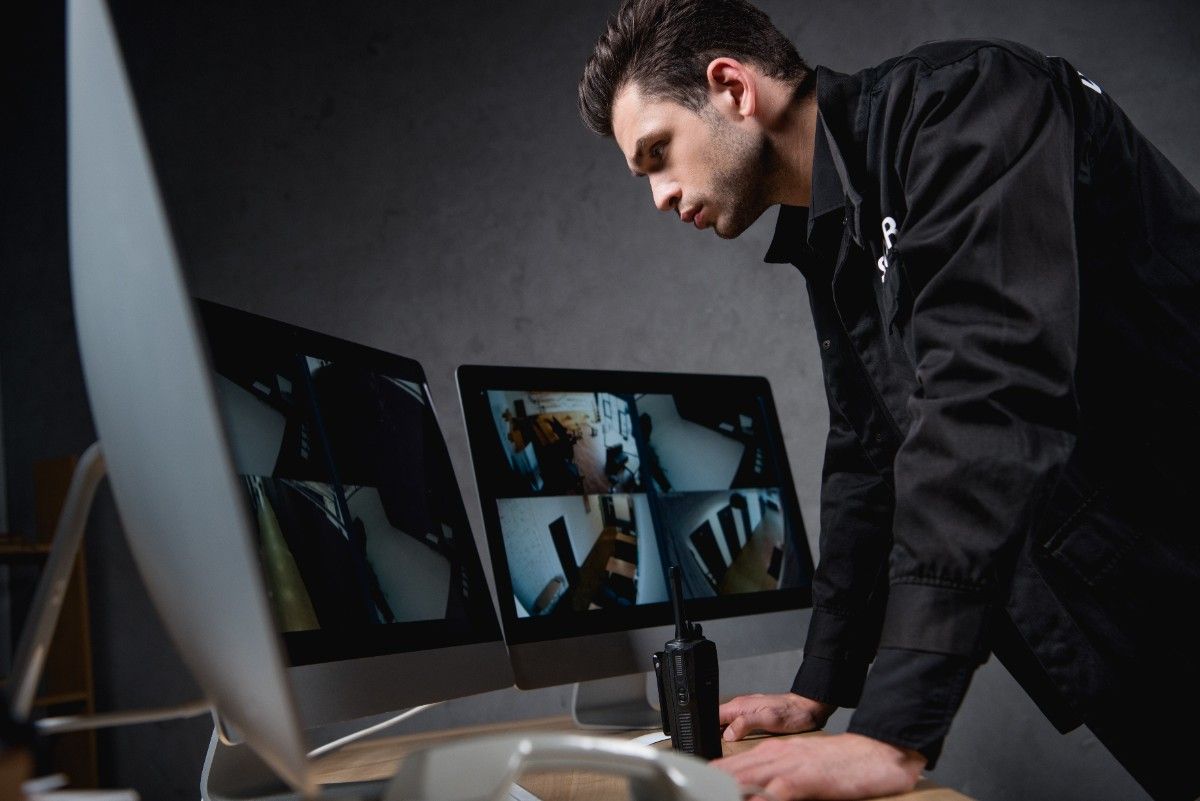
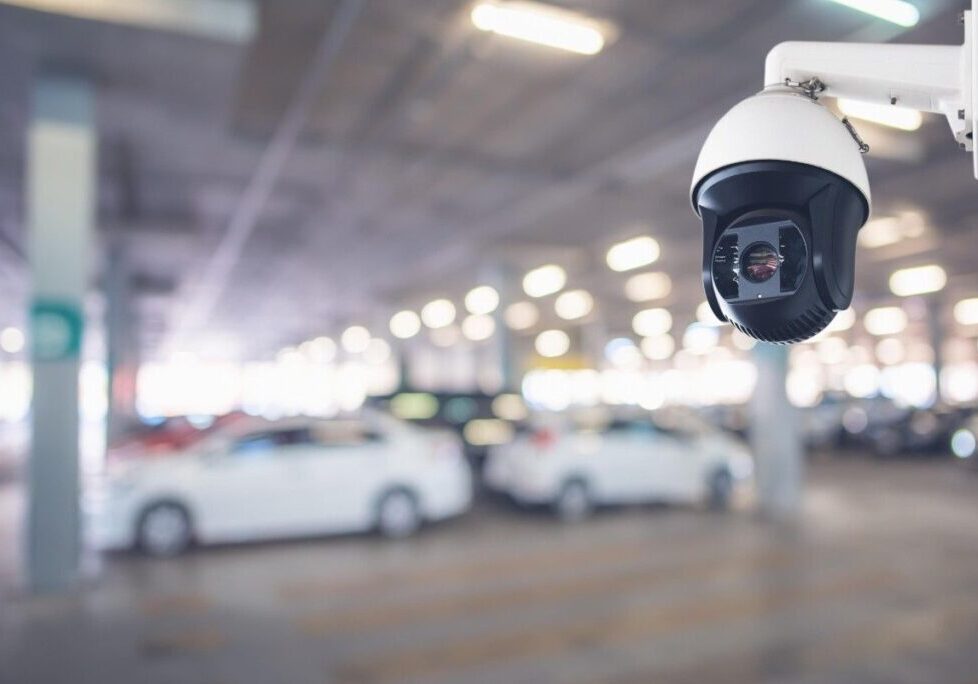
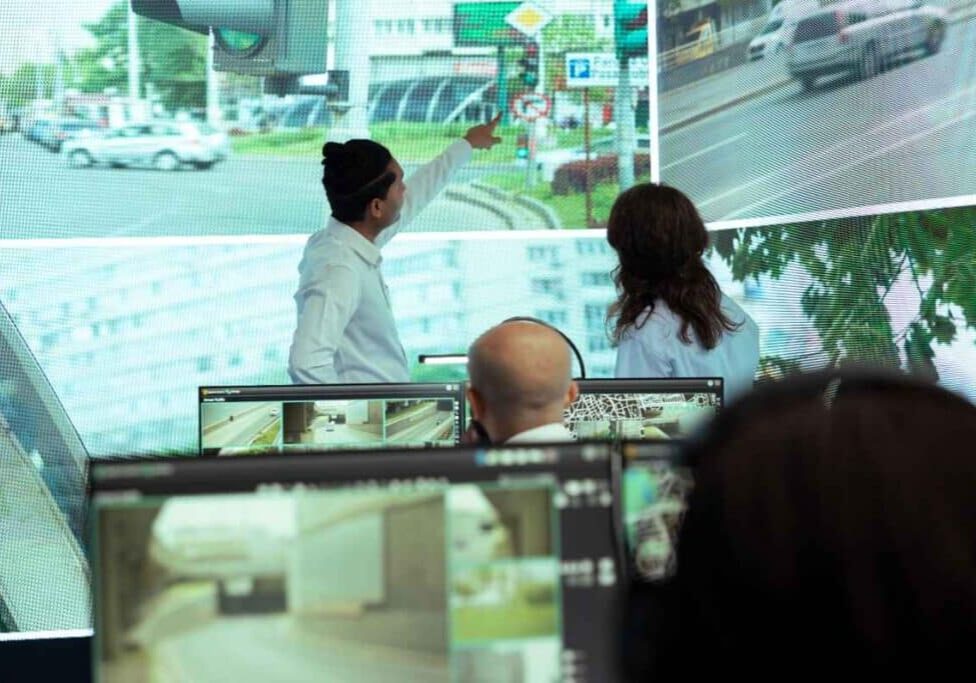
Remote video surveillance monitoring refers to the monitoring of video feeds from remote operators or intelligent systems. The cameras are installed at the premises, but the monitoring is conducted from a remote location.
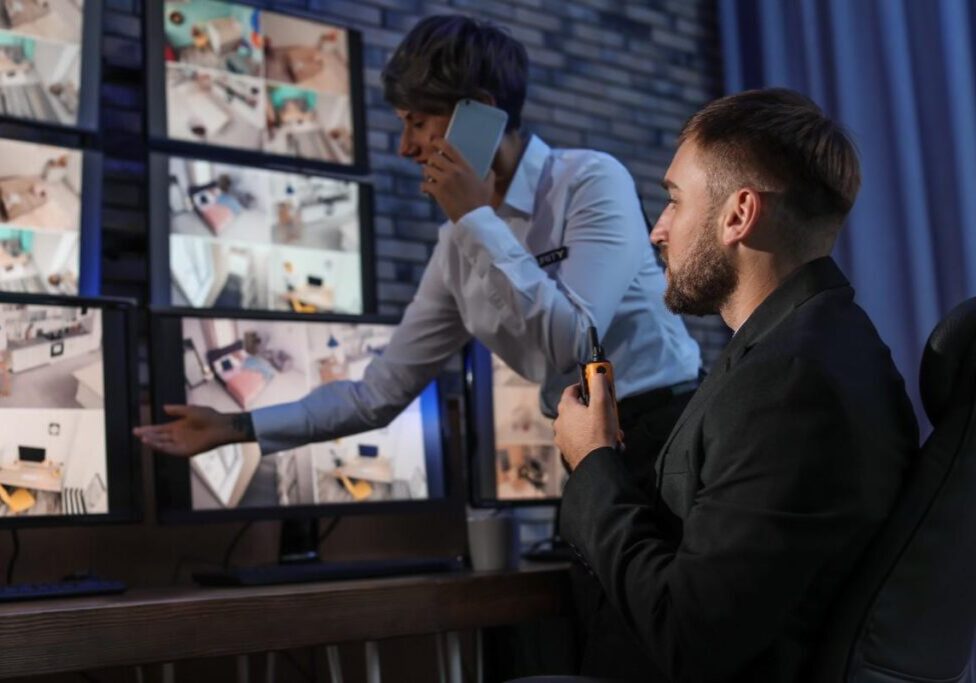
Remote monitoring services operate differently from conventional CCTV systems, which only capture video footage. Remote, or Live Video Monitoring services, are designed to prevent security breaches. The system monitors established behavior patterns, sends alerts when protocols are breached to on-site or remote central station operators and then the operators review and confirm harmful activities before they execute actions that follow predefined procedures.
How Does Remote Monitoring Surveillance Work?
Understanding how remote monitoring surveillance works starts with recognizing that it is a layered process. Each layer supports the next, and weaknesses anywhere reduce effectiveness.
- First, cameras stream live video of priority areas such as entry points, perimeter, dock areas, and restricted areas to the Video recorder. Many systems utilize edge analytics to process the video of movement, others utilize the analytics at the NVR to trigger alerts for breaches in protocol. This can minimizes bandwidth and eliminates unnecessary alarms.
- Second, the systems analytics send alerts via an encryptec wired, wireless, or cellular connection. for review and action.
- Finally, the remote live video monitoring attendants analyzes the alarm signals to determine next steps. In short – AI detects the activity, while the operators validate the context.
Once an event is verified, predefined response actions are triggered. These may include issuing an audio warning, notifying onsite staff, or contacting local authorities.
How Is Remote Monitoring Different From Traditional CCTV?
The difference lies in timing and intent. Traditional CCTV documents what already happened. Remote monitoring focuses on what is happening now.
With basic CCTV, footage is reviewed after an incident. With remote monitoring, suspicious behavior is addressed while it is still unfolding. That shift changes outcomes, especially in environments where response time matters.
How Does a Unified Network and Security Platform Support Remote Monitoring?
The most effective form of remote video surveillance works best as part of a whole system. The evaluation of video cameras as individual units rather than as part of a whole surveillance system creates challenges with regard to the bandwidth, management, and expansion of the system. The unified network offers support for video surveillance, guest access, IoT, access control, and more.
All these are done on a single, managed platform. This approach simplifies operations and improves reliability. Security teams gain better visibility across locations. IT teams gain centralized control. The organization benefits from fewer blind spots and faster response.
The most important advantage of using a unified infrastructure rather than a single solution is that it helps in the visualization of efficiency, scalability, and security.
What Are Virtual or Remote Security Patrols?
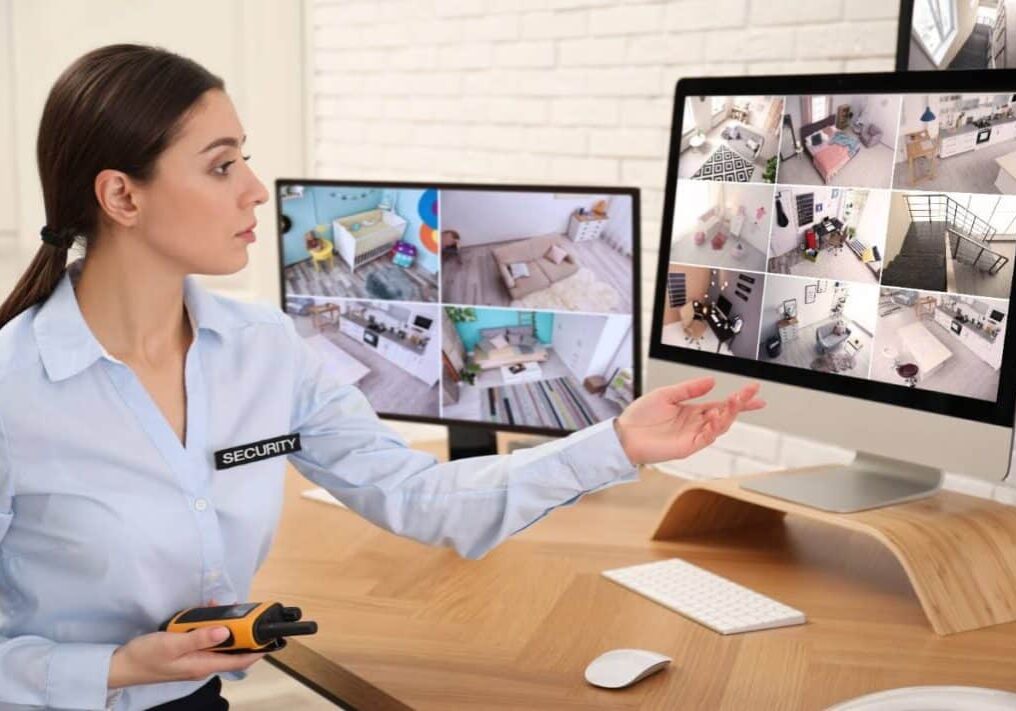
Virtual or remote security patrols extend monitoring beyond alerts. Instead of waiting for motion or analytics triggers, trained operators visually inspect areas at scheduled or random times.
These patrols cover the same checks a traditional guard would perform. Operators review cleanliness, safety conditions, and activity patterns using live video feeds.
Common use cases include monitoring trash areas, loading docks, storage zones, and rear service corridors. In hospitality and food service, patrols may include buffet areas or food preparation visibility. By positioning this as a visual confirmation service rather than constant surveillance, organizations gain coverage without continuous onsite staffing.
How Does Remote Monitoring Improve Coverage in Low-Traffic Areas?
Usually, accidents happen in areas that are rarely used. The rear entrance of a building, parking lot, utility area, and storage area are examples of such places.
Remote monitoring allows for constant or periodic visibility of these areas. Cameras are used to monitor areas that humans rarely monitor. The activity is checked and responded to as required.
This method minimizes blind spots and reaction time. Rather than reacting to a problem when it has already occurred, it is handled as it happens. A good remote CCTV monitoring guide should always include consideration of blind spots.
How Are AI-Driven Alerts Handled and Responded To?
The AI helps to detect better, but it is important to understand that alerts do not necessarily provide security.
For example, after the analytics tools have picked up the activity, the alerts can be sent to a security center on the premises, a third-party live monitoring station, or even directly to the local authorities, depending on the set protocols. This is the process.
It is important to note that the process is not just a matter of receiving the alerts. It is a process that is followed carefully. This is what differentiates a good security system from a system that is overwhelmed by noise and false alarms.
What Is the Difference Between Live Video Monitoring and VSaaS?
This distinction is often misunderstood and should be explicit in any remote video surveillance monitoring guide.
Live Video Monitoring
Live Video Monitoring is a proactive security service. It uses AI and rules-based alerts that route to a 24×7 staffed central station with trained operators.
Response protocols are defined in advance. Operators know when to intervene, who to notify, and when to escalate. This service is designed to prevent incidents, not just observe them.
Video Surveillance as a Service
VSaaS is a subscription model for deploying and managing video systems. It typically includes hardware, software, installation, maintenance, updates, and support for a fixed monthly fee.
VSaaS can include Live Video Monitoring, but it does not automatically mean active monitoring. It is best positioned as a turnkey ownership and delivery model, not a response service by default.
What Are Video Surveillance Monitoring Best Practices in 2026?
Video monitoring best practices have developed along with technology and the requirement for quicker and more precise response times. In 2026, the measure of a video monitoring system’s efficiency will no longer be the volume of data it can gather; rather, it will be the degree to which it can inform a response.
Systems that are well-designed place greater emphasis on results rather than the number of notifications received. A smaller number of confirmed and actionable notifications received results in quicker response and minimizes operator fatigue, rather than the receipt of ongoing notifications without context.
Just as important is the ongoing test and tune process. Camera positions, lighting, and site activities all change over time. The surveillance system must be constantly updated to remain relevant.
Finally, integration is another important factor in surveillance systems. Video surveillance systems are most effective when integrated with access control systems, alarm systems, and incident management systems.
These best practices define the current standard for video monitoring and help to ensure a consistent and effective response over the long-term.
How Do Cloud and Analytics Strengthen Remote Monitoring?
This cloud-based platform facilitates the central management of the systems, faster update cycles, and easier scalability for various locations. It also enhances the security of the systems and the monitoring of the health of the systems. Additionally, the video analytics systems provide more contextual information by recognizing behavior patterns as opposed to using basic motion detection systems. This ensures more accurate responses to the systems. To get a deeper technical understanding of the use of video analytics systems in the real world, IBM provides a comprehensive overview.
Conclusion: A Practical Approach to Remote Video Surveillance Monitoring
Video surveillance effectiveness is not measured by the number of cameras deployed. It’s measured by what’s being seen, how it’s understood, and what’s being done in response to it. In 2026, security systems will be part of a larger network, not standalone systems that react to security breaches after they have happened.
For Resolute Partners, the management of video surveillance is not a passive process. Rather, it is a proactive process that involves the integration of a unified network infrastructure, artificial intelligence-based detection systems, live video monitoring systems, and well-defined response mechanisms. Each of the systems is designed to support operations, accommodate change, and deliver measurable outcomes.
Start With a Clear View of Your Risk
Every property, operation, and environment has its unique challenges. At Resolute Partners, we begin with a clear view of how your property is used, where your risk exists, and what it will take to effectively respond to that risk.
Are you considering a remote video surveillance solution, video monitoring, or a unified network security platform? Contact a Resolute surveillance expert today. We can define the correct approach, clarify your choices, and outline what to do next.
Protect your business with a security partner that designs, monitors, and supports systems built for real-world conditions.
FAQs
Q1. How Is Live Video Monitoring Different from Having Cameras?
Cameras alone record activity. Live Video Monitoring requires trained operators who monitor activities while they verify events and respond to occurrences in real time. The system enables immediate response to incidents, which allows operators to manage situations as they arise.
Q2. Does Remote Video Surveillance Replace Onsite Security Guards?
In many environments, the ability to remotely monitor the site can eliminate the requirement for constant site-based security personnel. This is because the same level of site monitoring is provided by the virtual patrol and operator response.
Q3. What Types of Businesses Benefit Most From Remote Video Surveillance Monitoring?
Businesses with large footprints or several locations, or those with limited overnight staffing, benefit the most from remote video monitoring services. This includes warehouses, multi-family facilities, retail centers, construction sites, healthcare facilities, and government agencies.
Q4. How Are False Alerts Reduced in Live Video Monitoring Systems?
False alerts are reduced by using AI-based analytics, camera positioning, and human verification of the alerts before any response is initiated to ensure that the response is not to noise in the environment.
Q5. Does Live Video Monitoring Work With Existing Camera Systems?
Yes. Resolute Partners can often work with existing camera systems. We evaluate what is currently in place and whether upgrades, reconfiguring, or replacement is required to ensure monitoring can take place.

Michael S. Blanco is the Chief Executive Officer and Co-Founder of Resolute Partners, LLC, where he leads strategic initiatives across various divisions. After owning family entertainment centers in New England, he co-founded Resolute Partners in 1996, launching the first Internet cafés for the U.S. Navy and partnering with AT&T for global deployment. A pioneer in wireless communications, Michael has expanded the company’s focus to include Energy Management/IoT, Cybersecurity, and Managed Video Security. He holds a degree from the Rochester Institute of Technology.

Stay up to date.
Subscribe for latest news, protection tips, special offers, and more!


Live Video Monitoring
Our trained video security surveillance monitoring professionals can quickly spot suspicious activity captured by business security cameras. We review live video to determine if criminal behavior is suspected.