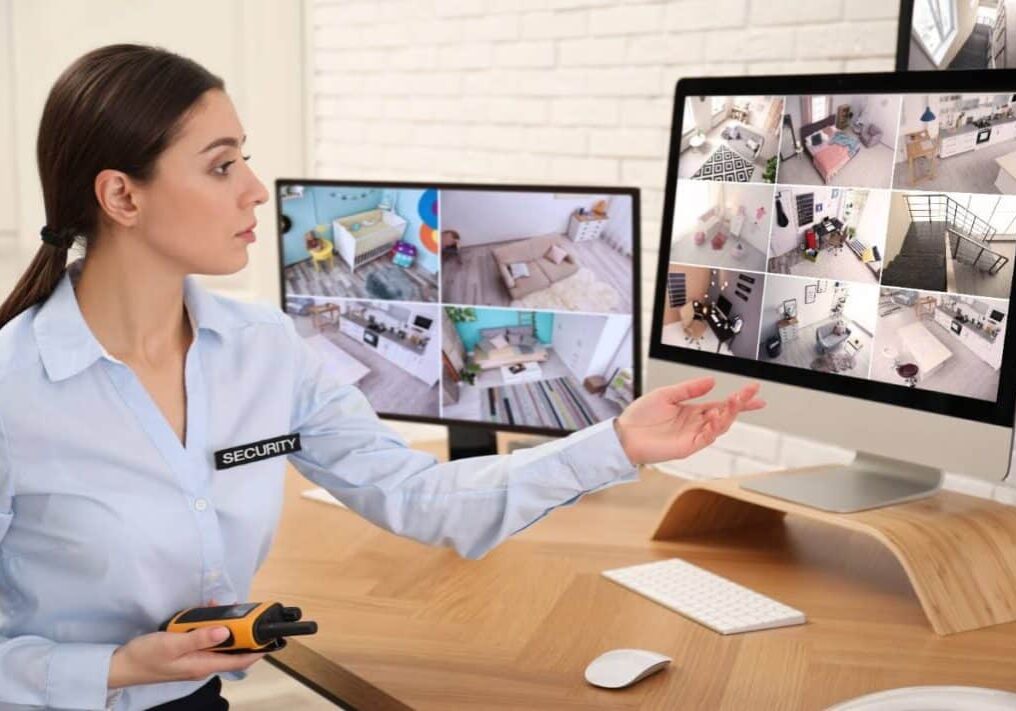
Summary: Real-time video surveillance shifts security from after-the-fact review to active prevention. The systems use live camera feeds with networked analytics and established response protocols to identify risks that emerge during the monitoring process instead of keeping recorded footage for future investigative purposes. The goal is simple. See the event early. Act before it escalates.
This article explains how real-time video surveillance works, the technical infrastructure behind it, and the operational value of remote video monitoring. It also shows current security trends that will shape the development of proactive security methods.
Security pressures are increasing across organizations, while the environments they operate in are becoming more complex. Facilities are larger, more distributed, and often operate with limited on-site staff, making constant physical supervision impractical. Traditional video surveillance systems were designed primarily for reviewing incidents after they occur. In environments where rapid response is critical, this reactive model is no longer sufficient.
Proactive video surveillance addresses this gap by enabling real-time observation and response. By combining live video feeds with analytical tools and trained monitoring personnel, organizations can detect suspicious activity, safety risks, and operational disruptions as they occur rather than after the fact.
What Is Real-Time Video Surveillance and Why Is It Critical for Proactive Security?
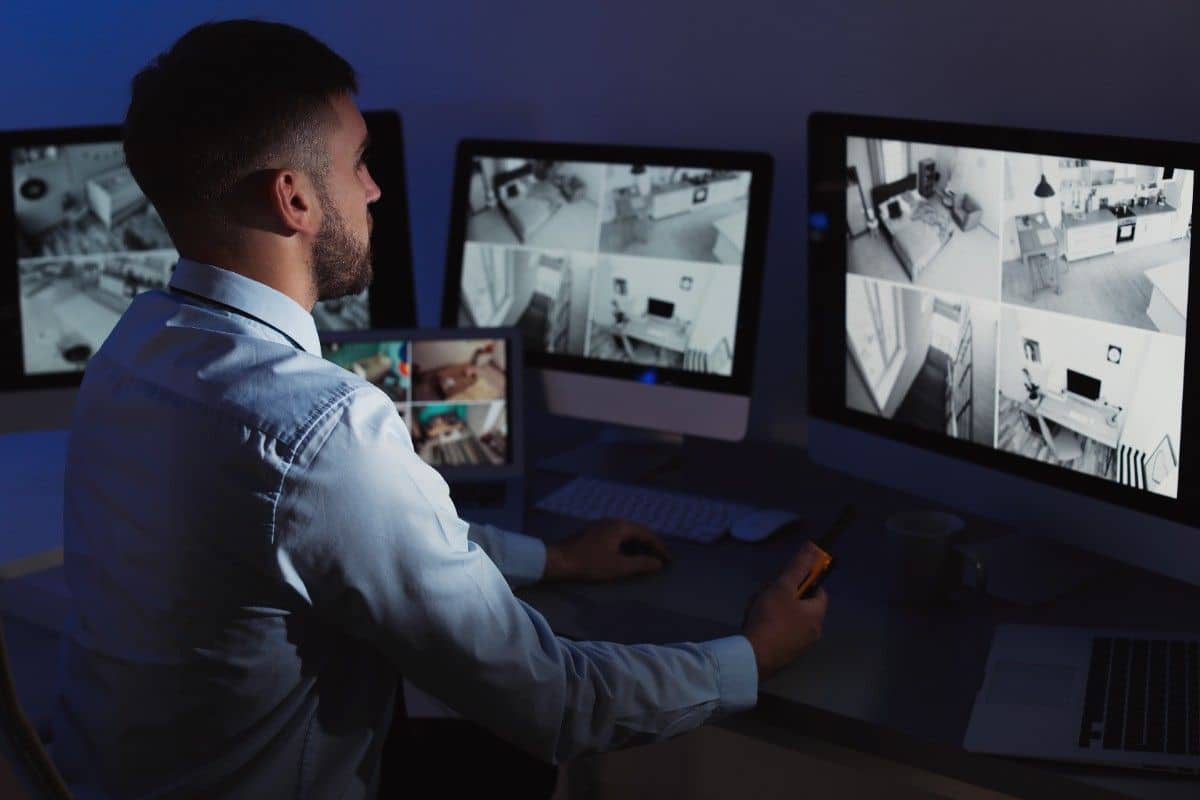
A meta-analysis of CCTV deployments found an overall 16 percent decrease in crime in public areas where cameras were used. Real-time video monitoring works by continuously recording and transmitting live video streams to security personnel for analysis. The system enables real-time event monitoring because it requires an immediate response to detected events, which distinguishes it from recorded video surveillance that shows events after they have happened.
System intent is the key difference between the two. Traditional surveillance explains the question of what happened. Real-time monitoring responds to the question, what is going on, and what is required next. This transition is particularly relevant to organizations that control high-value assets, facilities that interact with people, or controlled settings where slow response time puts financial, safety, and compliance liabilities in danger.
Video surveillance with live video monitoring enables security personnel to test AI alerts and assess risk at one location while applying identical response procedures to the same incident across different sites.
How Does Real-Time Video Surveillance Support Risk Prevention Across Industries?
Real-time video surveillance supports risk prevention by moving security from delayed review to immediate, preemptive action. The system enables teams to monitor complete facility operations while assessing ongoing situations in real time, which is essential for environments requiring rapid response.
- Enables early threat detection and intervention
Security teams can detect suspicious activities at their initial stages via live monitoring systems and properly configured AI analytics. The visual verification process enables faster theft and trespassing detection while preventing unsafe behavior. - Improves situational awareness in high-risk environments
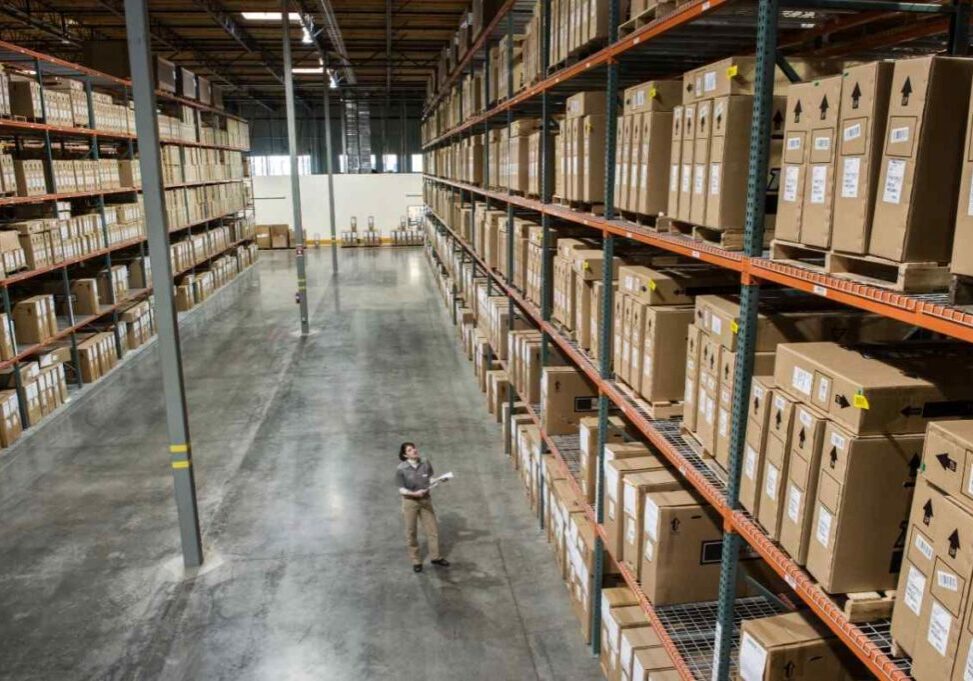
Warehouses with logistics facilities implement real-time surveillance systems to monitor unauthorized entry attempts, tailgating incidents, and unsafe equipment operation. Construction sites rely on live monitoring systems to prevent theft of equipment and unauthorized access to sites during non-working hours. - Reduces incident escalation in public and shared spaces
Retail centers, commercial properties, and multi-family communities should have a full view of their entrance points and parking lots, as well as their common spaces, since these points are security threats that may lead to dangerous situations at any time. - Supports consistent risk management across industries
Centralized monitoring systems that use standardized response procedures enable organizations to implement uniform security protocols across their facilities. These measures effectively protect against security vulnerabilities that arise from uneven personnel distribution and the use of disparate security systems.
How Does Real-Time Video Surveillance Work?
Real-time video surveillance operates as an integrated system that combines AI analytics, proactive notifications, and live video monitoring personnel. The system functions via a series of defined process stages that deliver efficient results, enabling high-quality decision-making within required time limits.
Video Capture and Live Streaming
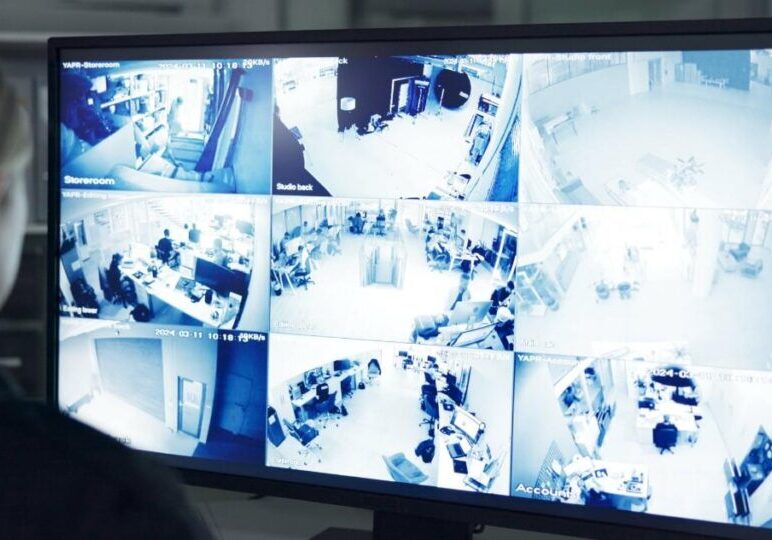
The system uses cameras to capture live video, which it streams through a secure network connection. Enterprise deployments typically use high-definition and multi-sensor cameras with low-light support to maintain image clarity in varied conditions. The three main factors for video quality assessment are stream quality, frame rate, and latency because impaired video content results in delayed evaluation processes and response actions.
Real-Time Analytics and Alerts
The analytics engines analyze live video feeds to identify events such as intrusion detection, loitering, and movement within restricted areas. Alerts are triggered based on user-defined rules and specific environmental conditions, ensuring that only essential operational events receive attention. Poorly tuned analytics increase false positives and reduce overall system effectiveness.
Human Monitoring and Response
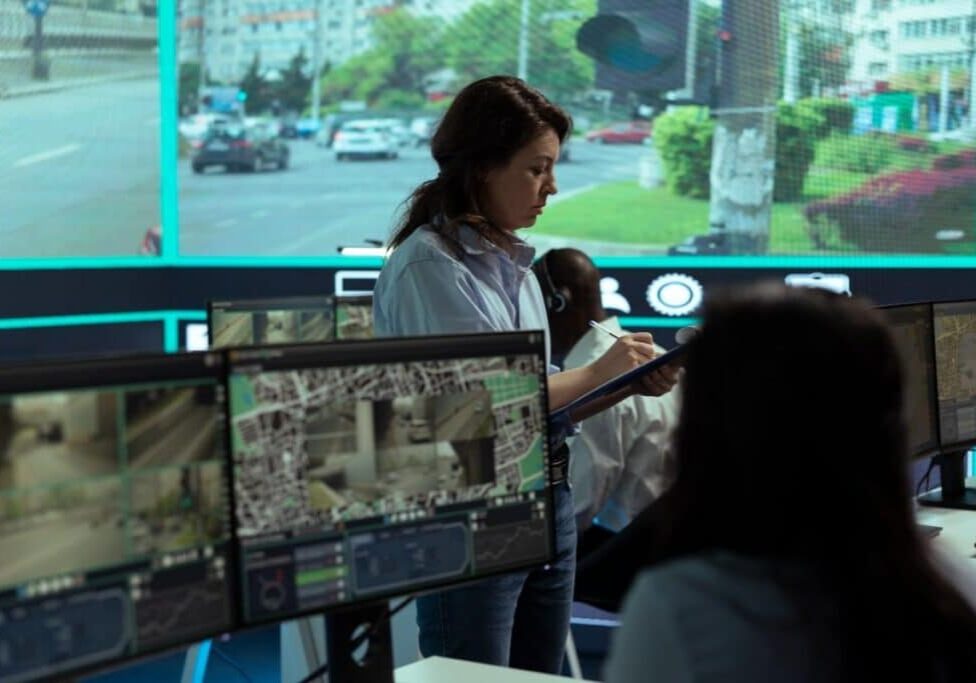
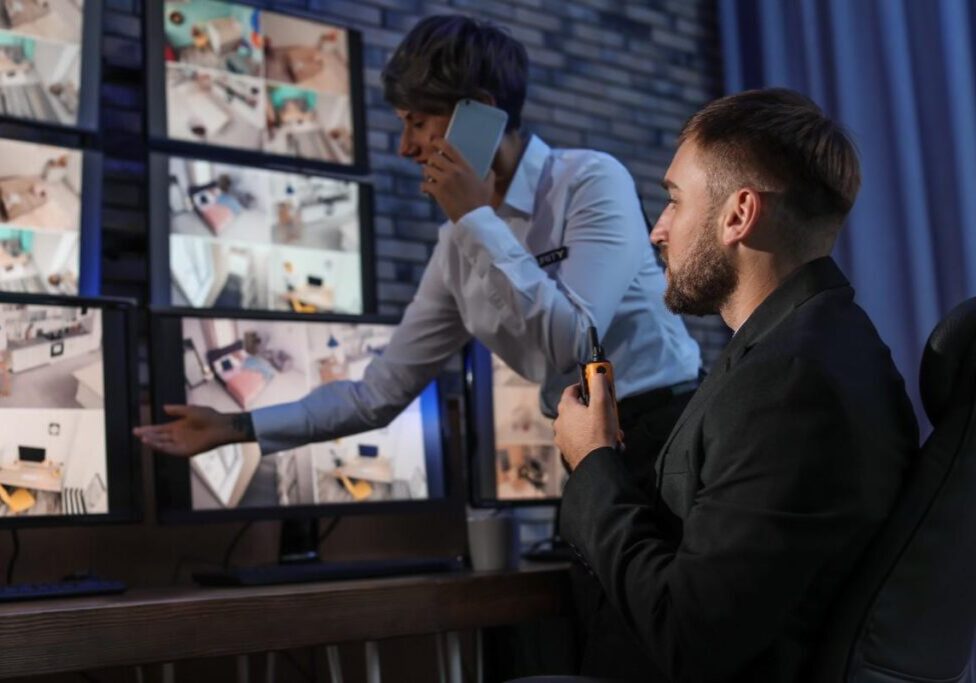
Depending on the defined protocols, alerts are sent to trained operators, on-site crews, or a live monitoring center. Human verification ensures an appropriate response, whether that involves voice warnings, flashing lights, staff notifications, or escalation to law enforcement when necessary.
What Are the Key Components of Real-Time Video Surveillance Systems?
A real-time surveillance system is only as strong as its underlying infrastructure.
Cameras and Edge Devices
Enterprise-grade cameras support high resolution and wide dynamic range, and they perform processing through edge-based systems. These open systems enable organizations to install cameras from different manufacturers that meet interoperability standards because they want to achieve system flexibility and long-term expansion capability. Closed systems restrict hardware choices, and they create dependency risks because users must pay for ongoing subscriptions to keep their systems functional.
Network and Connectivity Infrastructure
Real-time monitoring needs trustworthy connections that provide constant low-latency access. Networks must provide continuous bandwidth with secure network segmentation and backup systems to maintain video stream availability during peak times and partial system failures. The primary reason for dropped connections and late notifications stems from errors in network system design.
Video Management Software and Monitoring Platforms
Video management platforms consolidate live streams, generate alert notifications, and record content within a single unified system. These platforms provide user access management, security event tracking, and integration with other monitoring systems. When organizations choose unsuitable platforms, visibility is reduced, and response management becomes limited.
Integration With Security and Operations Systems
Advanced systems integrate video with access control systems and alarm systems, and IoT sensor networks. The integration of these systems provides contextual information that enables operators to connect different events and make precise responses.
What Are the Benefits of Remote Video Monitoring for U.S. Organizations?
Here are the primary benefits of remote video monitoring for U.S. organizations:
- Faster Incident Detection and Response
Security personnel can verify suspicious activities using live monitoring, which provides immediate access for verification. The system enables security personnel to respond in real time, issue warnings, and dispatch authorities before incidents develop into dangerous situations or loss events. - Cost Efficiency and Resource Optimization
Centralized monitoring systems decrease the requirement for overnight security personnel and extra staff members. Organizations can protect larger footprints with fewer resources while maintaining consistent oversight. - Improved Visibility Across Multiple Locations
Remote platforms provide a unified view of distributed sites. Security teams maintain situational awareness across different areas, which enables them to respond according to established protocols at any location. - Enhanced Safety and Compliance
The system continuously monitors operations to fulfill both duty-of-care requirements and regulatory standards. The system creates permanent records for all actions taken during incidents, which include alerts and response activities.
What Challenges Do Organizations Face With Video Camera Monitoring?
The process of real-time surveillance implementation requires technical solutions because operational difficulties need to be solved for system reliability to be maintained.
- False Positives and Alert Fatigue
The system produces too many alerts because the analytics system has incorrect settings, which makes it impossible for operators to handle incoming alerts and leads to decreased operational efficiency. - Bandwidth, Storage, and Latency Constraints
The system requires a permanent internet connection to operate because it needs all system resources to work with live video content. The system experiences dropped feeds, delayed alerts, and performance degradation because of insufficient infrastructure. - Privacy, Compliance, and Legal Concerns
Organizations must handle access controls together with retention policies according to regulatory requirements because these elements safeguard privacy while assisting organizations in avoiding legal risks. - System Scalability and Maintenance
The process of managing updates, integrations, and hardware health becomes more difficult as deployments grow, especially in systems that operate with closed or vendor-locked environments.
How Can Security Consulting and Managed Services Improve Real-Time Video Monitoring?
Security consulting and managed services align technology with operational risk and long-term performance.
- Security Assessments and Surveillance Strategy Design
Consultants evaluate site risk, coverage gaps, and network readiness. This ensures monitoring strategies support real operational threats rather than generic coverage. - System Integration and Deployment Support
Professional integration connects cameras, networks, video platforms, and security systems into a cohesive environment. This improves reliability and response accuracy. - Managed Monitoring, System Security Patching, and Ongoing Optimization
Managed services maintain system health through continuous monitoring, regular updates, and performance tuning. This reduces internal burden while keeping security effective over time.
What Are the Emerging Trends in Real-Time Video Surveillance?
Real-time video surveillance has developed into a system that enables quicker decision-making while decreasing work requirements and providing future growth capacity. The design of contemporary enterprise security systems receives its direction from three current trends that shape their development.
AI-Driven Real-Time Analytics
Video analytics now focus on behavior, not just motion. The AI models monitor live feeds to detect suspicious activity and unauthorized entry while detecting abnormal movement patterns, which help decrease false alarms and improve response times. The systems become more precise over time because operators verify and refine actual events.
Edge-Based Video Processing
Analytics are increasingly processed at or near the camera. The system achieves benefits with this design, which include reduced latency and limited bandwidth usage, and maintains alert functionality during network connectivity issues. Edge processing enables enhanced system reliability for both extensive and distant operational environments.
Cloud and Hybrid Monitoring Architectures
Enterprises are adopting hybrid models that combine edge analytics with cloud-based management and storage. The system provides central site oversight while processing critical operations at local sites to achieve an optimal balance between system performance and security, and system expansion capabilities.
Conclusion: Turning Surveillance Into Active Protection
Live video monitoring is effective only when it moves beyond passive recording and becomes an operational security function. Cameras alone do not prevent incidents. What matters is continuous visibility, trained human oversight, and clearly defined response actions when risk appears.
Resolute Partners provides live video surveillance services using an integrated security system that accounts for your specific environmental conditions and threat assessment methods. Resolute equips your organization with advanced security solutions using enterprise-grade surveillance cameras, robust network infrastructure, intelligent analytic systems, and certified security personnel.
Speak With a Security Expert
Organizations experience time delays when relying on unmonitored camera systems and recorded surveillance that lack active monitoring. Resolute Partners assesses your existing environment using live video monitoring and establishes response protocols aligned with your business requirements and compliance standards.
Contact Resolute Partners today to discuss how real-time video monitoring can strengthen security, reduce risk, and provide continuous oversight across your property or portfolio.
FAQs
Q1. What Is the Difference Between Real-Time Video Monitoring and Recorded Surveillance?
The system tracks live actions using the real-time functionality, and it investigates the post-incident actions using recorded surveillance.
Q2. How Does Real-Time Video Surveillance Reduce Security Risks?
It reduces the time lag between detection and response, enabling intervention to be undertaken before the occurrence escalates.
Q3. What Are the Biggest Challenges in Video Camera Monitoring Today?
False alarms, network limitations, privacy requirements, and the need to use the system over an extended period of time are some of the greatest challenges encountered with video camera monitoring currently.
Q4. Is Remote Video Monitoring Suitable for Multi-Location U.S. Businesses?
Yes. In order to control distributed sites, centralized monitoring platforms are created.
Q5. What Best Practices Improve the Accuracy of Real-Time Video Monitoring?
Proper camera placement, adequate lighting, tuned analytics, human oversight, and defined response protocols.

Michael S. Blanco is the Chief Executive Officer and Co-Founder of Resolute Partners, LLC, where he leads strategic initiatives across various divisions. After owning family entertainment centers in New England, he co-founded Resolute Partners in 1996, launching the first Internet cafés for the U.S. Navy and partnering with AT&T for global deployment. A pioneer in wireless communications, Michael has expanded the company’s focus to include Energy Management/IoT, Cybersecurity, and Managed Video Security. He holds a degree from the Rochester Institute of Technology.

Stay up to date.
Subscribe for latest news, protection tips, special offers, and more!


Live Video Monitoring
Our trained video security surveillance monitoring professionals can quickly spot suspicious activity captured by business security cameras. We review live video to determine if criminal behavior is suspected.