Summary: Video surveillance can enhance the security of schools, preventing crimes, aiding the response in case of an emergency, and providing the staff with increased visibility in the school. Although issues of privacy and overreliance are concerns, there are obvious policies, communication with the community, and adequate maintenance of the system that enable schools to act responsibly and efficiently in surveillance.
Following the tragic shooting that claimed the lives of several students in Nashville on March 27, the discussion about the need to secure the school campuses and to protect the generations of children to come has been on the agenda of the mainstream discussion.
However, as much as the law on such matters as gun control might be a sluggish procedure and highly volatile in nature, depending on the state, there are other safety procedures that can be implemented instantaneously. However, most importantly, the introduction of powerful video surveillance systems.
Nevertheless, the need for schools to use security cameras on their grounds is among the biggest debates in modern times. And prior to any school district deciding to invest in video surveillance in schools, it is important to consider the advantages and disadvantages.
Pros of Video Surveillance in Educational Institutes
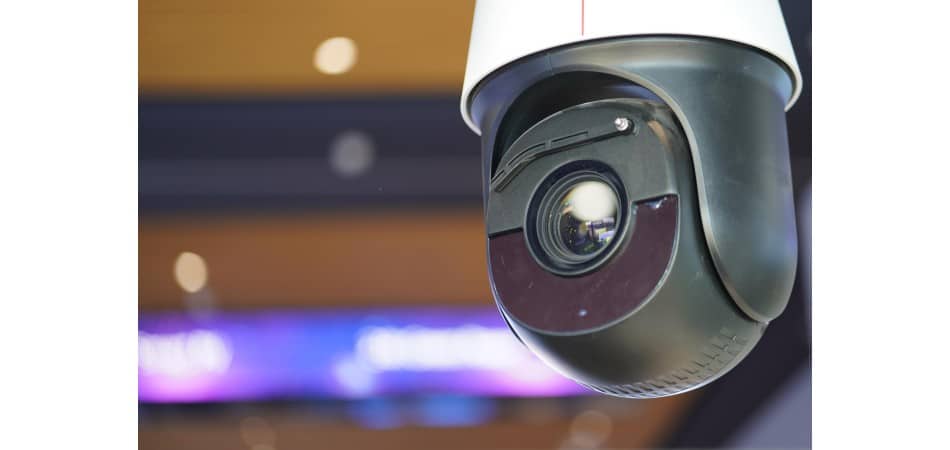
With the crime rate increasing throughout the country, video surveillance and other access control equipment have already become staples in many districts across the country to enhance safety.
In January, the federal data presented show that about two-thirds of U.S. public schools now regulate school ground access. Also, in 43 percent of the openly managed schools, there are panic buttons or silent alarms, which can directly connect to the police in case of an emergency.
This is because video surveillance, as well as any other integrated access control device, can assist in crime reduction in a multitude of ways.
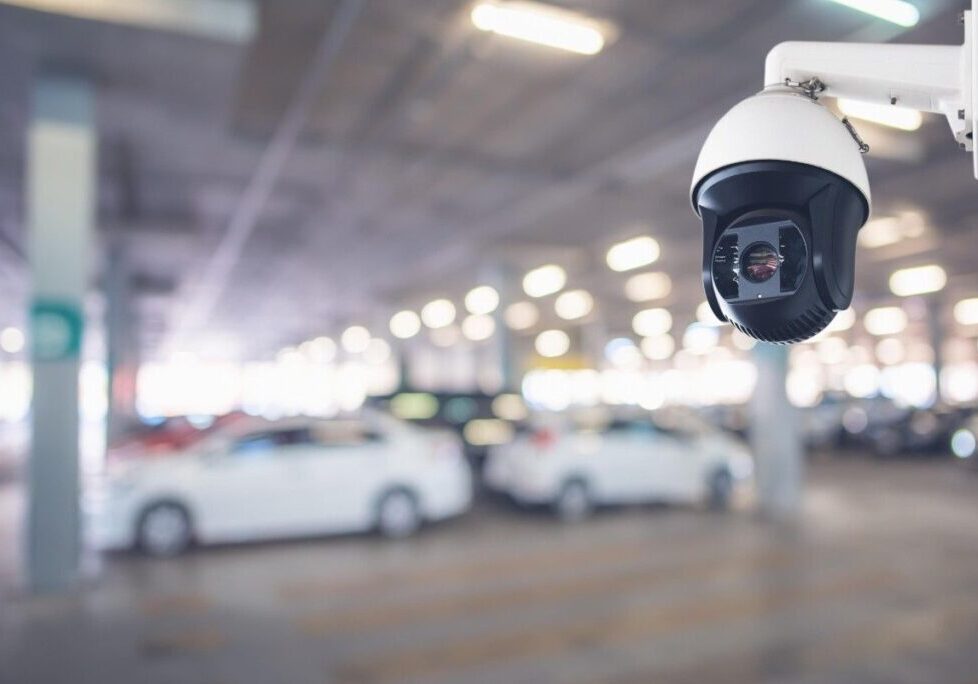
Security cameras would help prevent possible criminal acts. The knowledge of being recorded prevents theft, vandalism, and trespassing. The number of cameras in the hallways, parking lots, and other areas that are prone to such incidents can go a long way in minimizing the chances of such occurrences.
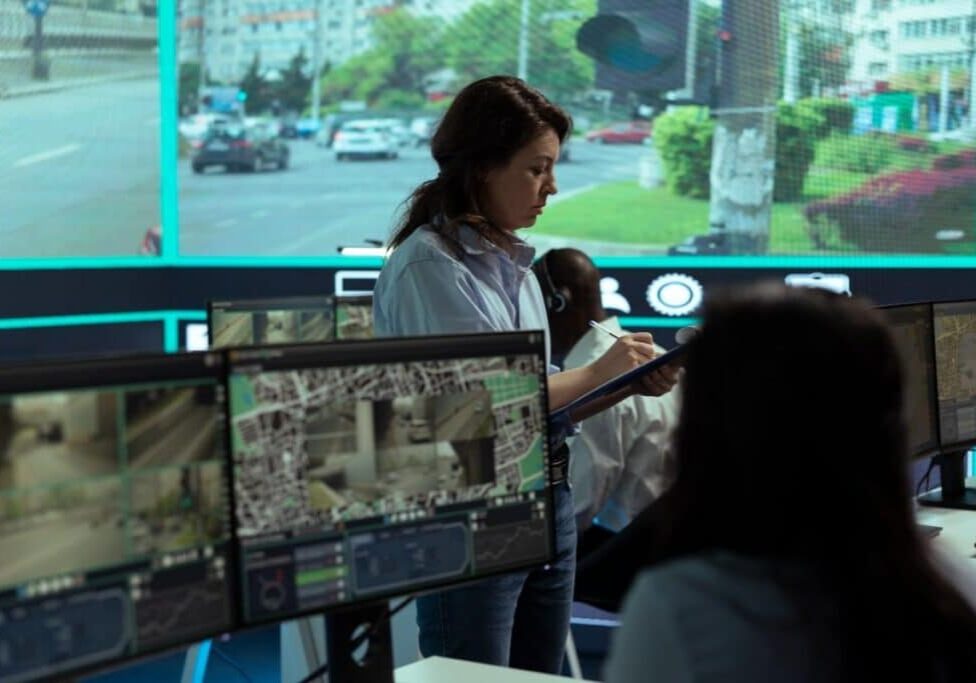
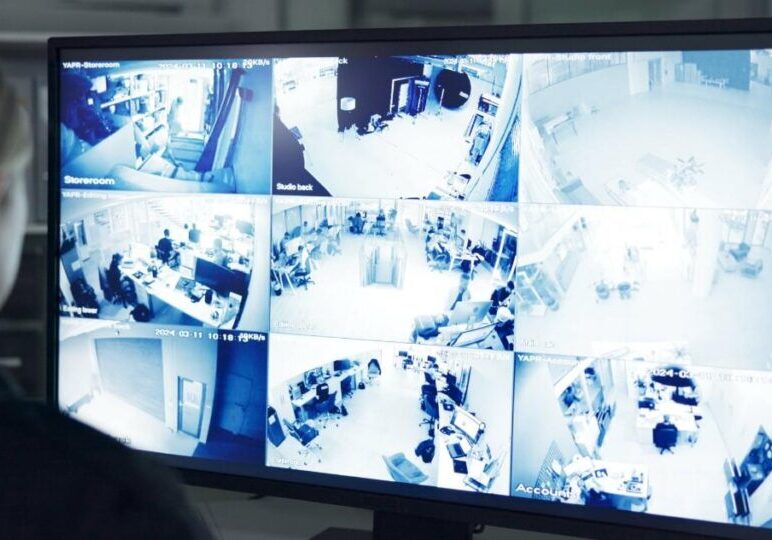
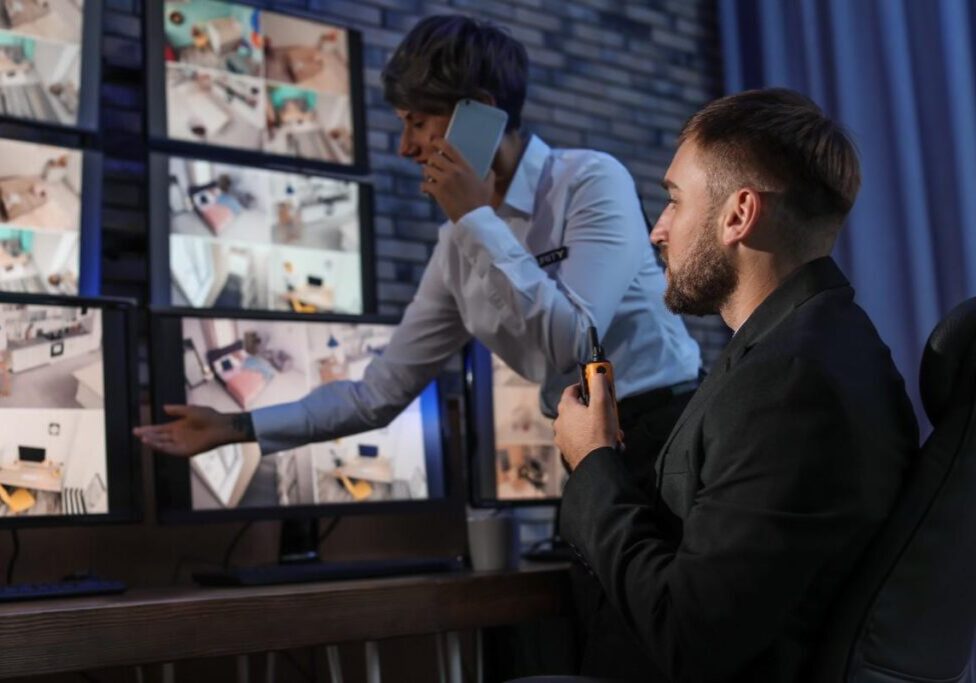
Live video surveillance can also help staff and security teams stay aware of who is on campus and what students and employees are doing throughout the school day. This is important to keep the environment safe and may assist the staff in detecting the presence of an intruder, unauthorized visitor, or student doing anything illegal or harmful. Subsequently, they will be able to react to the incidents.
Video footage may also prove useful in investigating incidents of bullying, harassment, or violence in the unfortunate event that a crime does occur on campus. It may give clear evidence of what happened, which will help in effective and fair disciplinary measures. Also, bullying behavior can be prevented by cameras in hallways and common areas in the first place. In case of unexpected natural disasters, the cameras will be able to determine the bottlenecks of evacuation exercises, trace suspicious patterns, and give useful information to the first responders.
Lastly, video surveillance with the use of on-site security guards is a far less expensive security control option than employing more security guards only. Security cameras are able to offer security guards, as well as first responders, with information that gives them a bigger picture of the facility to determine whether there is more than one intruder and where they are, so as to guide ground troops better. Simultaneously, it is possible to monitor such systems remotely, allowing administrators to closely observe several areas of campuses at the same time, and have other access control device integrations.
Cons of Video Surveillance in Academics
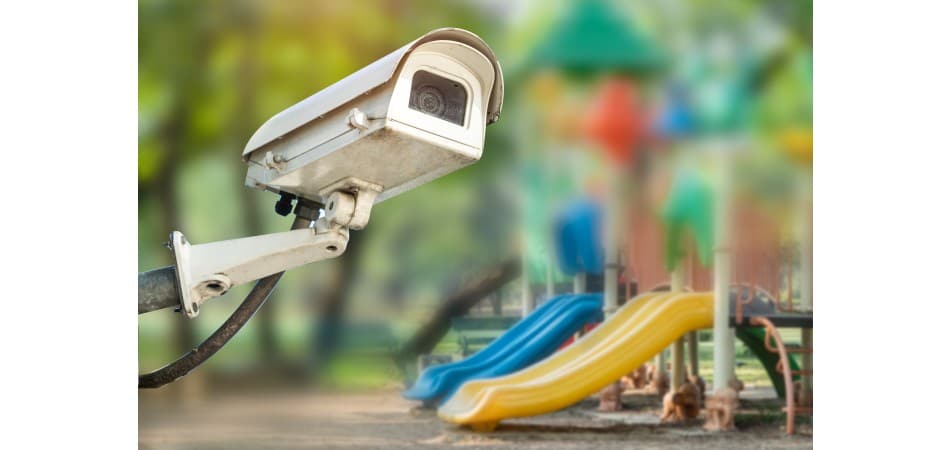
In the meantime, the potential intrusion into privacy is among the greatest concerns in the debate on school surveillance. Students and the staff members of the school may not be comfortable with the fact that their actions are being monitored and recorded. And despite the fact that the introduction of video systems on school campuses is not a recent development or illegal activity, the indiscriminate placement of cameras, such as those seen in personal or hidden areas, can raise some concerns within the minds of students, their parents, and even employees.
This is the reason why, when setting up the new video surveillance service, the key thing is that schools should have clear policies regarding the access and utilisation of video footage. In addition, the administrators can also notify the members of staff, students, and parents about what the surveillance system is planning to do and how they can focus on safety and security as the first priority.
The other disadvantage associated with school campus surveillance is that video surveillance may give an illusion of security. Naturally, video surveillance may serve as a discouraging factor to crime. However, a video security system is not sufficient to rely on to ensure general security.
Instead, the school districts have to struggle with complacency and devote the same energies to other concomitant safety precautions, education security solutions, student remedies, and the presence of on-campus security personnel.
Finally, there will always be technical or system failures, and they can render video surveillance systems inefficient when they are most needed. To avoid this, it is significant to recruit a good security partner who will respond to customer service and train the employees. It can be used to reduce instances of system failures and help school staff address any issues in a timely manner.
Video Surveillance Recommendations for Educational Campuses
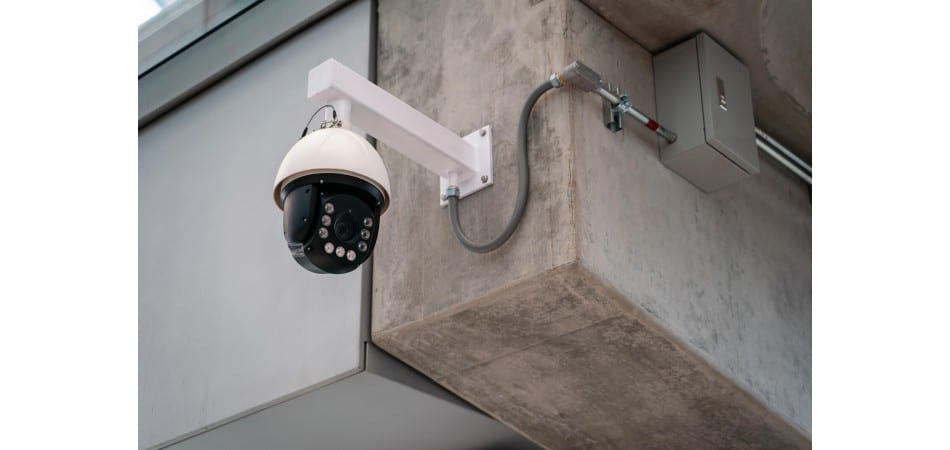
When installing a video surveillance system on a school campus, it’s important to make sure every area is properly covered. This also covers not only the inside of the school but also the grounds that surround the school.
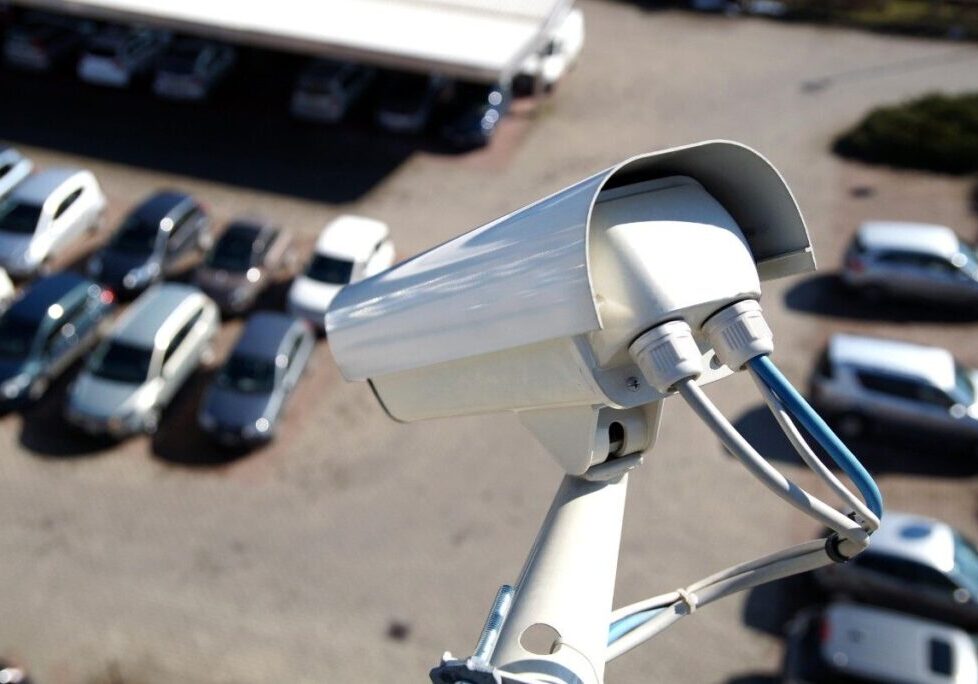
In parking lots, sports fields, and the perimeter of the school, license plate recognition and CCTV cameras can be placed to assist school staff in tracking daily visitors, large crowds, and huge areas that are beyond the physical patrol ability of the security personnel.
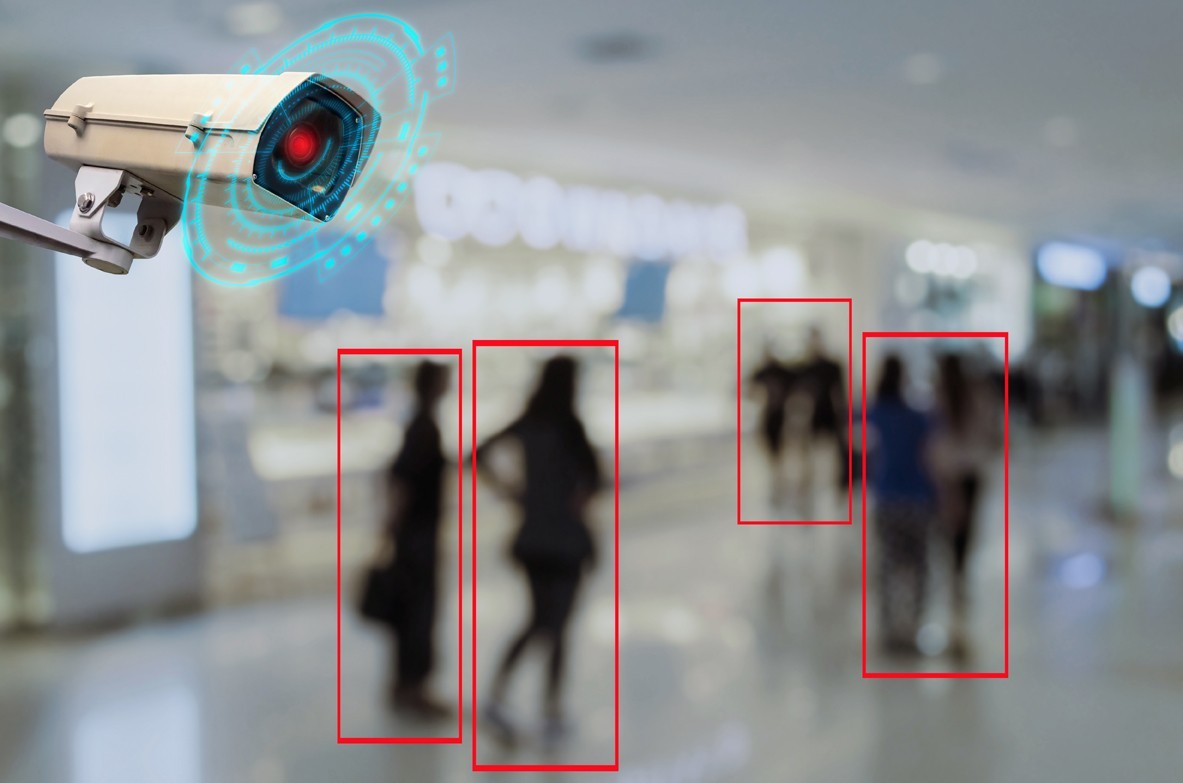
The exit and entry areas to the schools must also be covered. Video intercom systems prove to be highly workable alternatives in these places as they have both video security and access control. Dome and bullet cameras would also be useful, which would also use artificial intelligence (AI) to identify any unnatural movement or action.
Lastly, schools, hallways, cafeterias, and auditoriums are also good places to use the video surveillance as they contain a large number of individuals at any given time. Multidirectional cameras are also a very good solution to these spaces because it has a broad area and can detect incidents using the built-in analytics. Corner security cameras can also be used because they are constructed to resist vandalism and have a broad area coverage of a large, congested place.
Introduce oneself to the campus and demonstrate the purposefulness and benefits of the surveillance system.
Open communication also helps build trust and helps students, staff, and visitors understand the role the system plays in keeping them safe. The impact of the privacy issue can be mitigated by giving explicit information about the usage of the footage and access to the footage by the relevant parties to encourage community approval.
Contact Resolute Partners to explore the best security solutions for your campus and build a safer environment for everyone.
FAQs
Video surveillance averts crime, monitors day-to-day activity, and also provides clear evidence in case of any crime committed. It helps staff members identify intruders, prevent bullying, improve emergency response, and give security personnel a wider real-time view of the campus.
To reduce the issue of privacy, schools must install cameras in the appropriate zones, create open policies about who may observe the video, and be transparent with the students, their parents, and personnel about the use of surveillance so as to make it clear that it is meant to ensure safety, and not to infringe on privacy.
Other precautionary measures that should be used with the surveillance include staff training, good visitor policies, and specific emergency plans to ensure that the value is maximized. It is also possible to maintain trust and balance by conducting regular reviews of surveillance practices and appealing to the school community.
No. CCTV systems can be utilized to supplement and enhance security departments, but they cannot replace trained human resources. The surveillance systems provide visibility in real-time, and the on-site personnel respond physically, respond to the crises, and improve the safe atmosphere.
Collaboration with a reputable security service, regular maintenance, education of personnel on the use of a system, and the timely provision of technical assistance are all measures that can reduce downtime. These measures ensure that the cameras do not go off at the time they are required.

Michael S. Blanco is the Chief Executive Officer and Co-Founder of Resolute Partners, LLC, where he leads strategic initiatives across various divisions. After owning family entertainment centers in New England, he co-founded Resolute Partners in 1996, launching the first Internet cafés for the U.S. Navy and partnering with AT&T for global deployment. A pioneer in wireless communications, Michael has expanded the company’s focus to include Energy Management/IoT, Cybersecurity, and Managed Video Security. He holds a degree from the Rochester Institute of Technology.
Stay up to date.
Subscribe for latest news, protection tips, special offers, and more!




Live Video Monitoring
Our trained video security surveillance monitoring professionals can quickly spot suspicious activity captured by business security cameras. We review live video to determine if criminal behavior is suspected.