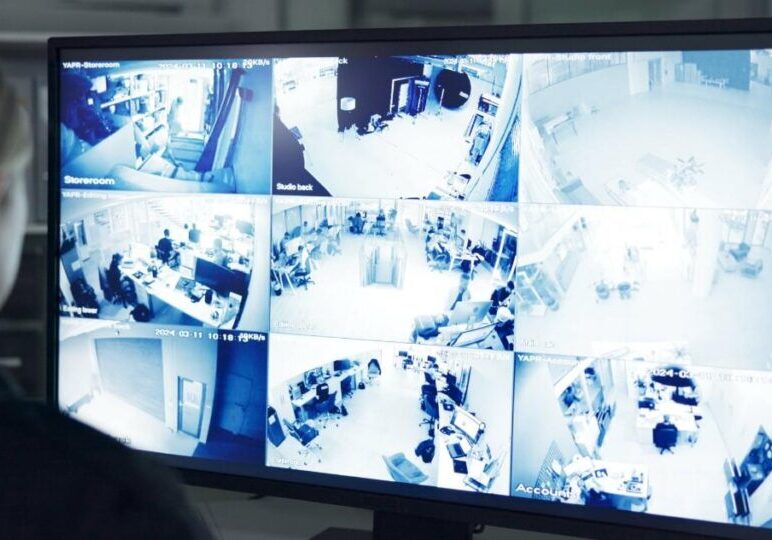
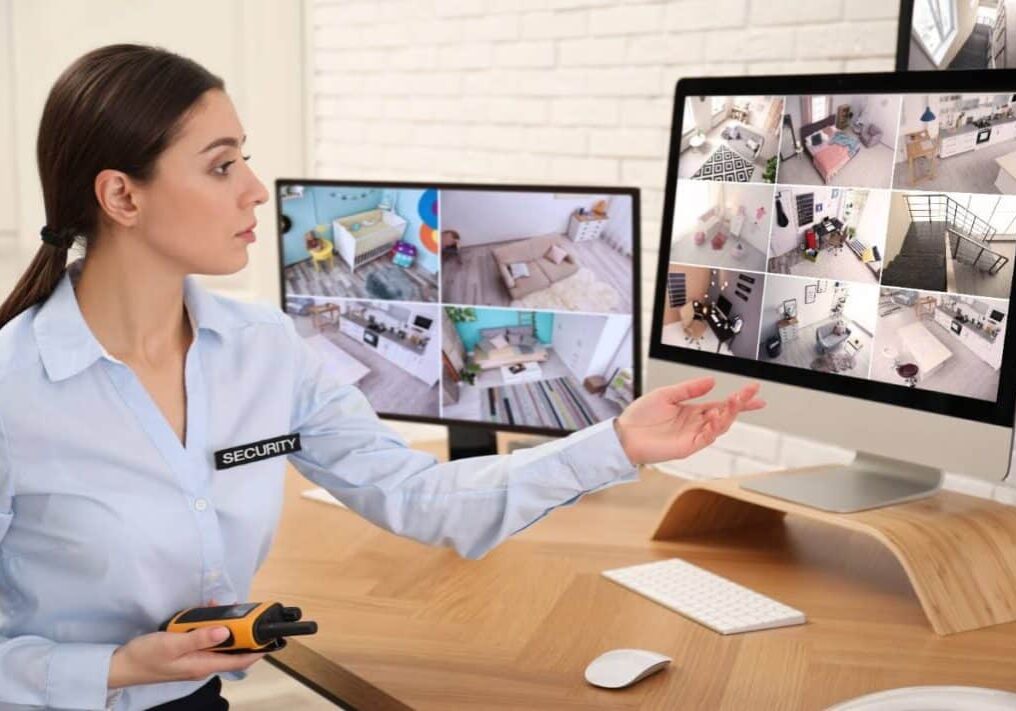
Summary: The most effective commercial surveillance cameras for small businesses require a selection process that needs to begin with a proper assessment of business needs and operational requirements, instead of choosing the least expensive option or installing cameras throughout their entire premises. It is all about clarity, reliability, and purpose. A good small business camera solution will safeguard assets, help employees, and minimize risks without becoming a headache to manage. This article will walk you through the most important factors, common pitfalls to avoid, and what to consider when looking for the best commercial surveillance system for small business.
A camera system must prove its worth on the wall. For a small business, it is not a technology upgrade or a checkbox for insurance purposes. It is proof. Proof of what occurred, when it occurred, and who was actually there. Whether it is a business that closes late, a warehouse that receives early deliveries, or an office that is empty on weekends, commercial surveillance cameras for small businesses work behind the scenes for moments you never receive a warning for
The problem with many small business owners is that they purchase the largest system they can afford rather than the one that best corresponds to how their business actually operates. A good system does more than record video. It eliminates doubt, resolves disputes quickly, and provides answers before problems become losses.
Why Small Businesses Think About Surveillance Differently
Most small businesses do not have security personnel or IT support. Business owners are trying to keep everything running. They are trying to keep customers happy and make a profit. Surveillance must be done in the background.
A good camera system should be helpful, not intrusive. It should provide answers to simple questions. What happened? When did it happen? Who was involved? If the system does not provide answers easily, then it is not doing its job.
Understanding the Real Purpose of Commercial Surveillance
Cameras Are Tools, Not Just Deterrents
Security cameras are commonly put in place after a loss or incident has occurred. This is only to be expected. However, the true benefit of security cameras occurs well before an incident ever happens.
Strategically placed security cameras will deter opportunistic theft, promote employee security, and resolve disputes. They will also help business owners identify blind spots in their operations. Receiving deliveries, closing down, and operating after hours will all become easier to document.
The aim is not to constantly monitor. The aim is to be confident.
Core Features That Actually Matter
Not all the features listed on a security camera spec sheet will enhance security, so small businesses must concentrate on what works best to provide clear evidence, access, and video.
Image Quality That Matches the Environment
Every environment is unique. A retail floor requires detailed facial recognition. A warehouse security requires broad coverage. A parking lot requires low-light visibility.
High resolution is not always required. It is more expensive to store and transmit. The key is useful footage. Lower resolution images can often suffice if the goal is simple access and egress recording. Facial recognition may be required in higher security situations or when police or insurance company involvement may be necessary. Activity should be discernible. Motion should not degrade into conjecture.
Matching resolution to purpose is one of the most overlooked steps in commercial surveillance cameras for small business planning.
Reliable Night and Low-Light Performance
Most events occur outside of normal business hours. Night vision cameras that are good during the day but poor at night give a false sense of security.
Look for cameras with correct infrared response or low-light sensors. Do not rely solely on marketing buzzwords. Nighttime performance will expose shortcomings quickly.
Simple, Secure Remote Access
The owners do not usually sit in the office all day. Remote access is important.
A good small business camera system should enable owners to view the system from a phone or a laptop computer anywhere without going through complicated procedures. Access should be role-defined. Owners get to see everything. Managers get to see what they need. Nothing more.
For general information on how to securely access a camera system and general security concerns for small businesses, the U.S. Small Business Administration provides risk management resources.
Storage Choices and What They Mean
Local, Cloud, or Hybrid
Storage solutions impact cost, reliability, and flexibility. Local storage offers control and easy access but depends on hardware. Cloud storage provides convenient access and redundancy but relies on the internet. Hybrid storage solutions combine both approaches.
Small businesses can benefit greatly from hybrid storage solutions. Videos remain on-premises for quick and easy access, while important clips are synced to cloud storage for backup, remote access, and long-term retention.
Alerts, Analytics, and Common Pitfalls
Contemporary surveillance solutions offer intelligence, but if not properly implemented, the same technology can be a source of distraction. Notifications and analytics must make it easier to monitor, not harder, and being aware of their limitations is what separates success from pitfalls for small business owners.
Alerts Should Help, Not Overwhelm
Too many notifications lead to alert fatigue. Employees begin to disregard notifications. Important problems are overlooked.
Motion alerts need to be more sophisticated. Target after-hours activity, restricted areas, or odd behavior. Analytics must inform decisions, not make them. A solution that raises too many false alarms is ineffective.
Analytics Are Assistive, Not Autonomous
AI-enabled features are helpful. They assist in noise reduction and pattern identification. However, they are not foolproof.
Human analysis is still necessary. Analytics should direct attention, not make decisions. It is what distinguishes helpful systems from frustrating ones.
Designing a System That Grows With You
A camera system should not commit your business to the current footprint. It should evolve with your business as it grows, your threats shift, and your demands become more stringent.
Scalability Matters Early
Many businesses outgrow their first camera system within a year. Adding locations or expanding floor space becomes painful when the system was not designed to scale.
Choose platforms that allow additional cameras, longer retention, and new integrations without rebuilding everything. Planning ahead saves time and money.
Integration With Daily Operations
The best commercial surveillance system for small businesses does more than record incidents. It supports operations.
Video helps verify deliveries, resolve customer disputes, and review safety procedures. When cameras align with daily workflows, they stop feeling like security hardware and start feeling like business tools.
Installation Quality Makes or Breaks Results
Even the best cameras will fail if the installation is an afterthought. The method and location of camera installation will make the difference between the video helping you to act or leaving you wondering when it counts the most.
Placement Is More Important Than Quantity
Ten unstrategically placed cameras will never deliver as well as five that are placed thoughtfully. It’s not how many cameras you have but where you put them.
Prioritize entrances, cash handling areas, loading docks, and points of access. Avoid being caught in the backlight of windows or headlights. Resist the temptation of extreme angles that stretch and distort faces and motion. Always test live video before locking in a placement.
Plan purposefully. Each camera should answer a specific question, not just occupy space.
Professional Setup Pays Off
DIY installs seem cheaper. They often cost more later.
Professional installation helps to ensure clean angles, secure mounting, and proper cable management. It eliminates issues such as glare, blind spots, and dropped frames, as well as network congestion.
The need for experienced partners becomes essential at this point. A system that is properly installed will operate in the background of business activities. The system will create problems for users because it has not been installed correctly.
How Resolute Partners Approaches Small Business Surveillance
Surveillance is most effective when it is designed around actual risks and actual patterns of behavior, not product bundles.
At Resolute Partners, commercial surveillance is considered part of a comprehensive security plan. Every system is informed by the physical environment, the threat, and the way the business is actually conducted on a day-to-day basis.
Rather than promoting generic product bundles, the emphasis remains on clarity, availability, and results that count. Cameras are installed with a purpose. Capacity is designed for the present and the future. Security is tightened without hindering people.
The end result is a system that does its job without fanfare, performs well under stress, and builds trust.
Conclusion: Choose Clarity Over Complexity
Good surveillance eliminates friction. It doesn’t add to it. When it’s done well, commercial small business surveillance cameras will provide you with good video, reliable access, and confidence that doesn’t need to be constantly reinforced.
If your current system is clunky, unreliable, or difficult to trust, that’s a sign. A good small business camera system should integrate well, assist with daily operations, and remain trustworthy when it counts. It should help you run your business, not watch your technology.
At Resolute Partners, we help small businesses create a surveillance system that will perform well in the real world, not just on paper. If you are ready for a cleaner, more reliable solution, then it’s the right time to begin this conversation.
Frequently Asked Questions
Q1: What Is The Primary Purpose Of Commercial Surveillance Cameras For Small Business?
In summary, these systems help deter theft, improve safety, and provide clear evidence when questions arise. They support both security and daily operations.
Q2: How Many Cameras Does A Small Business Typically Need?
It depends on layout and risk. Most small locations benefit from focused coverage at entrances, key interior areas, and exterior access points.
Q3: Can A Small Business Camera System Be Accessed Remotely?
Yes. Modern systems allow secure remote viewing with role-based access from phones or computers.
Q4: Is The Best Commercial Surveillance System For Small Businesses Always Cloud-based?
Not always. Many businesses choose hybrid systems that combine local recording with cloud backup for flexibility and resilience.
Q5: How Often Should Surveillance Systems Be Reviewed Or Updated?
Systems should be reviewed annually or after layout changes. Regular checks ensure cameras still match real-world conditions.

Michael S. Blanco is the Chief Executive Officer and Co-Founder of Resolute Partners, LLC, where he leads strategic initiatives across various divisions. After owning family entertainment centers in New England, he co-founded Resolute Partners in 1996, launching the first Internet cafés for the U.S. Navy and partnering with AT&T for global deployment. A pioneer in wireless communications, Michael has expanded the company’s focus to include Energy Management/IoT, Cybersecurity, and Managed Video Security. He holds a degree from the Rochester Institute of Technology.

Stay up to date.
Subscribe for latest news, protection tips, special offers, and more!


Live Video Monitoring
Our trained video security surveillance monitoring professionals can quickly spot suspicious activity captured by business security cameras. We review live video to determine if criminal behavior is suspected.