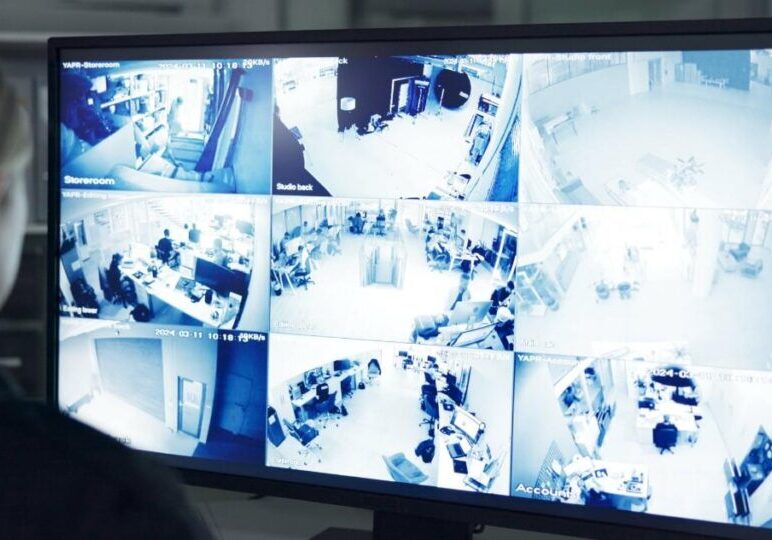
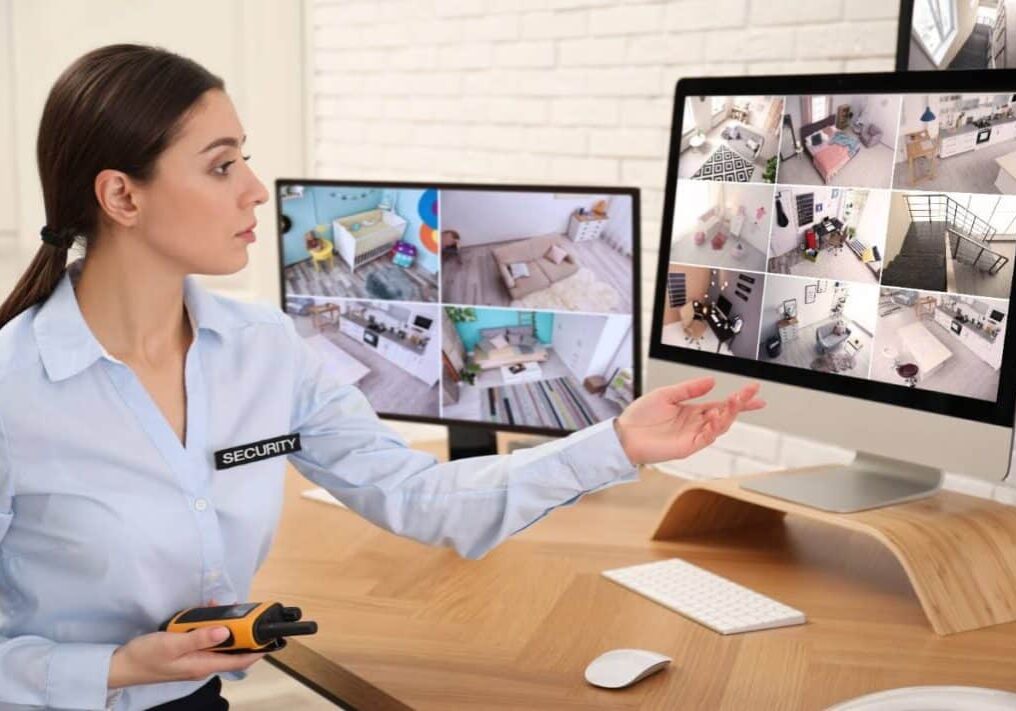
Summary: The Internet of Things in 2026 has already progressed and is not dependent on smart devices anymore. The IoT is now a combination of large integrated systems that link physical operations to data, automation, and intelligence through advanced iot solutions. IoT applications are used in factories, HVAC systems, warehouses, utilities, healthcare environments, and essential infrastructure. This article discusses the definition of IoT, how enterprise IoT systems work, the technologies that support them, and the actual difficulties that organizations confront when large-scale IoT deployment takes place.
The Internet of Things (IoT) solutions and top-notch IoT connectivity skills are crucial for the functioning of today’s modern businesses, especially when working with an experienced iot solutions provider. These technologies cover the provision, installation, and integration of smart IoT devices in commercial, industrial, and governmental sectors.
Enterprise IoT integration services specifically refer to the merging of Internet of Things (IoT) solutions with professional skills in network engineering, system design, and infrastructure provision. Through strong IoT connectivity, organizations can improve operational performance by completing their work in a smarter way, even in difficult areas using iot for enterprise environments. These services include everything needed, from device provisioning and installation to connectivity and secure integration with existing or new networks offered by a reliable iot services company. The main aim is to introduce advanced IoT solutions that not only enhance safety, security, and monitoring but also support the expansion of operations and improve the reliability of automation throughout the entire workflow.
What Is IoT Solution, and What Does IoT Mean in 2026?
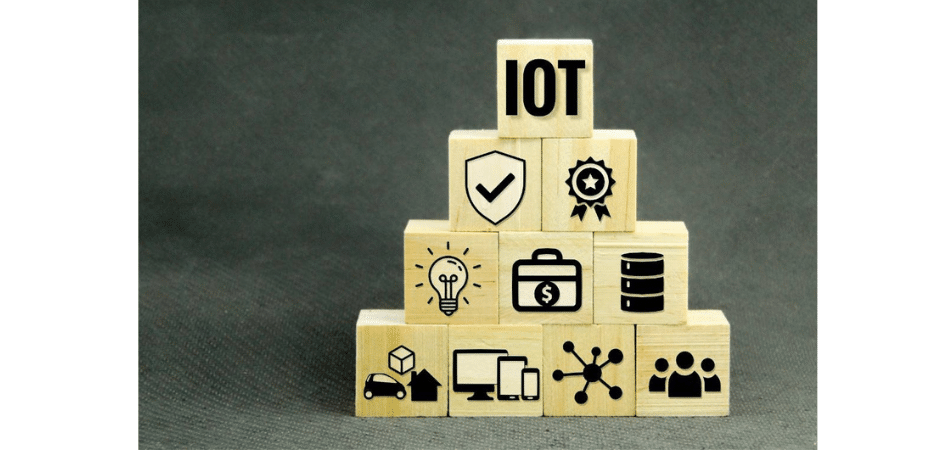
The Internet of Things interlinks physical systems via networks that collect sensor data, send it securely, and use smart software for analysis and decision making. HVAC systems, manufacturing machines, warehouse robots, cameras, meters, and environmental sensors are examples of such systems powered by modern iot solutions. IoT brings together physical operations and digital intelligence, thus providing organizations with real-time visibility and faster, more accurate responses.
How the Meaning of IoT Has Changed
Initial development of the Internet of Things was focused on fundamental connectivity, where devices were relaying data to dashboards, automating minimally or giving contextually limited insight. Now, the Internet of Things (IoT) has become a fully integrated system that combines real-time data, analytics, artificial intelligence, and automated control through advanced internet of things solutions.
As outlined by Cisco’s overview of enterprise IoT, modern IoT environments are designed to support entire operational ecosystems rather than isolated devices. A single smart thermostat offers limited value, while a building-wide HVAC system that dynamically adjusts airflow, temperature, and energy usage based on occupancy and external conditions delivers measurable operational and financial impact, especially in iot for enterprise applications.
How Organizations Define IoT Value Today
The value of IoT is measured by the results, not by the number of devices. Success is characterized by lower cost, reduced downtime, safer facilities, lower energy consumption, higher production efficiency, and quicker response times. This is the reason why integration is important. Resolute Partners reinforces this enterprise strategy by designing, engineering, installing, configuring, and integrating safe IoT deployments as a trusted iot solutions provider that are directly linked to current networks and infrastructures.
What Is an IoT Ecosystem?

In 2026, to understand “what is an IoT,” one needs to adopt system-level thinking rather than focusing solely on individual devices. To protect their resources, improve security, and allow instant remote supervision of their processes and machines, organizations are making use of various sophisticated Internet of Things (IoT) devices as part of broader internet of things solutions. Examples of such devices are gas detectors, energy meters, and water management sensors, which continue to be widely used for monitoring the environment and utilities.
Core Components of an IoT Ecosystem
- Physical systems and sensors installed across HVAC equipment, production machinery, meters, and facilities to collect real-time data
- Networks that transmit data reliably and securely across buildings, plants, and sites
- Platforms that store, manage, and process information from multiple systems in one environment
- Analytics and automation tools that interpret data and trigger system-level actions
In large deployments, these components work together across hundreds or thousands of connected endpoints, supporting coordinated operations rather than isolated functions typically delivered by an experienced iot services company.
How Does the Internet of Things Work?
IoT is a technology that connects all types of sensors and devices for data operations like getting, doing, and updating, which eventually allows for real-time monitoring, automation, and smart decision-making. IoT is the merging of the protocols and data aspect of networks through which the devices are connected to the cloud, bringing up the raw data in a useful form and, thus, easily actionable insights powered by modern iot solutions.
Step-by-Step View of an IoT System
- Sensors collect data from the environment
- Devices securely transmit data over wired or wireless networks
- Data is processed at the edge or in the cloud
- Analytics identify trends, risks, or inefficiencies
- Systems trigger alerts, automate actions, or support decisions
With minimum human involvement, these processes take place in advanced systems within seconds. By the application, connectivity techniques differ, IoT data protocols allow devices to communicate with each other without the internet, and network protocols connect devices to each other and to cloud platforms for central processing.
What Role Do Sensors and Devices Play?
Common Sensor Types in Enterprise Environments
- Temperature and humidity sensors for buildings and data centers
- Voltage meters and power monitors for electrical systems
- Water and leak detection sensors for asset protection
- Gas sensors for air quality and safety compliance
Motion, occupancy, and access control devices for security
These devices form the foundation of large IoT systems used across commercial, industrial, and public-sector environments, particularly in iot for enterprise deployments.
How Is IoT Data Transmitted and Processed?
Typical IoT network protocols are built for environments where devices have limited power, bandwidth, and processing capacity. Each protocol serves a specific purpose, depending on range, reliability, and data requirements. Below is a clearer and more structured overview of the most commonly used IoT network protocols supporting internet of things solutions.
Common IoT Network Protocols
1. MQTT (Message Queuing Telemetry Transport)
Type: Publish and subscribe
Best for: Lightweight communication between sensors and servers
Key features:
MQTT is designed for low-bandwidth and unreliable networks. It uses minimal overhead, making it well-suited for remote sensors, monitoring systems, and real-time data updates.
2. CoAP (Constrained Application Protocol)
Type: REST-style protocol over UDP
Best for: Constrained devices that need web-style communication
Key features:
CoAP works similarly to HTTP but is optimized for low-power devices. It is efficient, lightweight, and ideal for simple device-to-device or device-to-server communication.
3. AMQP (Advanced Message Queuing Protocol)
Type: Message-oriented protocol
Best for: Enterprise and industrial IoT environments
Key features:
AMQP supports reliable message delivery, routing, and queuing. It requires more resources than MQTT but offers stronger guarantees for data delivery in complex systems.
4. Zigbee
Type: Mesh networking protocol
Best for: Smart buildings, industrial monitoring, and automation
Key features:
Zigbee supports low-power operation and allows many devices to communicate in a mesh network. It is commonly used where devices need to communicate locally over short distances.
5. Z-Wave
Type: Mesh networking protocol
Best for: Home automation systems
Key features:
Z-Wave operates in sub-GHz frequency bands, reducing interference. It is energy efficient and designed for reliable communication between smart home devices.
6. Bluetooth Low Energy (BLE)
Type: Short-range wireless protocol
Best for: Wearables, medical devices, and proximity-based applications
Key features:
BLE is optimized for very low energy use and short-range communication. It is ideal for battery-powered devices that transmit small amounts of data.
7. LoRaWAN
Type: Low-Power Wide-Area Network (LPWAN)
Best for: Agriculture, smart cities, and remote monitoring
Key features:
LoRaWAN supports long-range communication with very low power consumption. It is suitable for devices that send small data packets over large geographic areas.
8. NB-IoT (Narrowband IoT)
Type: Cellular-based LPWAN
Best for: Smart metering and asset tracking
Key features:
NB-IoT operates on licensed cellular networks, offering strong reliability and coverage. It is well-suited for applications that require secure and stable long-term connectivity.
9. 6LoWPAN
Type: IPv6 over low-power wireless networks
Best for: IP-based IoT communication
Key features:
6LoWPAN enables IPv6 communication over low-power networks such as IEEE 802.15.4. It allows IoT devices to integrate directly with IP-based systems and infrastructure.
Understanding these protocols helps organizations choose the right communication method based on device constraints, network conditions, and application goals. A well-matched protocol improves reliability, efficiency, and long-term scalability in IoT deployments.
What Are the Core IoT Technologies Powering Modern Solutions?

A set of modern key technologies makes it possible for IoT solutions to function and serve intelligent purposes.
Connectivity Technologies
The reliable and robust networks consisting of Ethernet, Wi-Fi, cellular, and low-power wide-area technologies ensure that data is consistently and securely flowing across various systems, ranging from factory floors to building systems and automation equipment.
Cloud and Edge Computing
Cloud platforms are responsible for the storage of data in a centralized manner, performing analytics on a system-wide basis, and generating insights for a long time, whereas edge computing is concerned with a quicker response through data processing near the machines or sensors. Thus, they complement each other in terms of the provision of scalable analysis and real-time control.
Data Platforms and Integration Tools
These are the data platforms that take the raw data from the various systems, organize it, and connect it to the operational software and dashboards that make it useful for monitoring, reporting, and automation.
Security and Identity Technologies
The combination of authentication, encryption, and access control is what protects the entire IoT system, including devices, networks and data, by allowing only authorized systems to interact and assisting in the prevention of cyber-attacks.
Why Is IoT Important in 2026?
IoT in 2026 matters because it turns data into action and delivers value beyond simple cost savings through scalable iot for enterprise implementations.
Operational Efficiency and Automation
The use of sensors and control systems drastically minimizes the need for human intervention while, at the same time, instantaneously reacting to different situations, consequently making the processes more reliable and quicker.
Data‑Driven Decision Making
Organizations get continuous data collection across the board, answers to their questions regarding the performance, risks, and opportunities, which results in better planning and faster execution.
Competitive Advantage and Resilience
Firms that thoroughly incorporate IoT into their processes are the ones that will get accustomed to change first, are the ones that will be able to maintain the same efficiency at all times, and provide uninterrupted service even in the event of outages.
What Are the Biggest IoT Trends Shaping 2026?
Looking ahead, several trends are reshaping how enterprises deploy and benefit from IoT technologies and advanced internet of things solutions:
AI‑Driven IoT and Autonomous Systems
The integration of AI and IoT allows for predictive maintenance and automated actions to be taken before problems develop, thus minimizing downtime and increasing usage.
Edge‑First Architectures
By processing the data close to where the machines or sensors are, not only will the latency be reduced, but also the dependency on the cloud will lessen, hence enabling instant responses in the manufacturing and automation environments.
5G and Advanced Connectivity
Fifth-generation technology and cellular IoT expansion as new connectivity choices enhance speed, device density, and reliability, thereby allowing deployment of larger and more complex installations.
Sustainability and Green IoT
IoT is helping organizations to achieve their environmental goals through energy saving, monitoring of emissions, and efficient use of resources.
Stronger Focus on Security and Compliance
In the sphere of IoT, securing the connected devices and meeting the industry standards for compliance still remain the key priorities to ensure data and infrastructure protection.
How Can Organizations Get Started With IoT Solutions?
Resolute Enterprise IoT Integration Services for Smarter, Connected Operations
Are your operations fully optimized with real-time insights and connected systems? Disconnected devices and slow responses can hurt productivity and safety. Advanced IoT integration links critical devices, such as video monitoring, utility sensors, environmental detectors, and access controls, creating smarter, safer, and more responsive operations with minimal human error through enterprise-grade iot solutions.
Resolute Partners is the one to close these gaps as a trusted iot services company. We create, provide, and combine corporate IoT solutions that both connect and make systems composed of devices, sensors, and networks, thus turning them into smart ones that can be scaled. No matter if it is about production lines or HVAC solutions, warehouses, or security networks, we make your IoT technologies work with high reliability, security, and efficiency as a leading iot solutions provider.
Get in touch with Resolute Partners now to kick off a project aimed at creating an IoT ecosystem that will be fully connected and high-performing. Take advantage of Resolute’s IoT proficiency to transform your operations using advanced internet of things solutions. Allow us to assist you in the real-time monitoring of assets, automation of work processes, and the acquisition of insightful data for the purpose of making more intelligent decisions.
FAQs
Q1. Is IoT Secure Enough for Enterprise Use?
Indeed, if IoT is built right, it can be secure and suitable for enterprise applications. The right way includes quite a few things like strong device authentication, data encryption, network separation, and threat monitoring. The crux is to consider security as an integral part of the whole process rather than an afterthought.
Q2. How Is IoT Different From AI and Machine Learning?
IoT is all about the interconnectivity of physical gadgets and their usage as a source of data for AI and ML to feed upon, while AI and ML are the ones to process the data. They will look for trends, make future scenario predictions, and assist in delivering smarter decisions by the systems. As a result, intelligent and automated solutions will emerge only through the combined use of all three.
Q3. Which Industries Invest Most in IoT Solutions?
Sectors of manufacturing, logistics, utilities, healthcare, and public services pour a lot into IoT applications. To be more specific, these sectors are characterized by dependence on large-scale operations and real-time data, which in turn makes IoT exceptionally beneficial in terms of increasing efficiency and reliability.
Q4. Does IoT Require 5G to Work Effectively?
No, the case is not that IoT is strictly 5G dependent. A number of IoT systems have no problem at all working over Ethernet, Wi-Fi, cellular networks, or low-power communication technologies. Again, the best choice would be the one that suits the specific use case and area best.
Q5. How Long Does It Take to See ROI From an IoT Implementation?
ROI varies with the project type. Some projects, such as energy monitoring and predictive maintenance, may lead to ROI in just a few months. However, larger and more complex deployments may take longer, but they are likely to provide long-term value.

Michael S. Blanco is the Chief Executive Officer and Co-Founder of Resolute Partners, LLC, where he leads strategic initiatives across various divisions. After owning family entertainment centers in New England, he co-founded Resolute Partners in 1996, launching the first Internet cafés for the U.S. Navy and partnering with AT&T for global deployment. A pioneer in wireless communications, Michael has expanded the company’s focus to include Energy Management/IoT, Cybersecurity, and Managed Video Security. He holds a degree from the Rochester Institute of Technology.

Stay up to date.
Subscribe for latest news, protection tips, special offers, and more!


Live Video Monitoring
Our trained video security surveillance monitoring professionals can quickly spot suspicious activity captured by business security cameras. We review live video to determine if criminal behavior is suspected.