Summary: Video Surveillance as a Service (VSaaS) operates as a subscription-based security solution that uses a financial model that includes installation and ongoing system and customer support services. The system maintains its original surveillance capabilities because it operates through a single service agreement which combines various elements of system design and equipment, licensing and installation, storage and maintenance, upgrades, and support. Businesses can use their existing cameras, networks, and software to implement VSaaS through on-premise, cloud, or hybrid environments, which helps them achieve better control of their system lifecycle while distributing costs and minimizing their operational requirements.
VSaaS operates as a flexible financing method that enables companies to install, upgrade or expand their video surveillance systems in an affordable way – to stream and save live video content from their cameras to on-premise or cloud storage. For businesses that need to improve their security systems without incurring high initial equipment costs, video surveillance as a service (VSaaS) provides them with a valuable solution. This overview explains what makes VSaaS appealing to many business owners. The best security camera brands for your business needs are available for you to view from the recommendations section.
What Is VSaaS and How Does It Work?
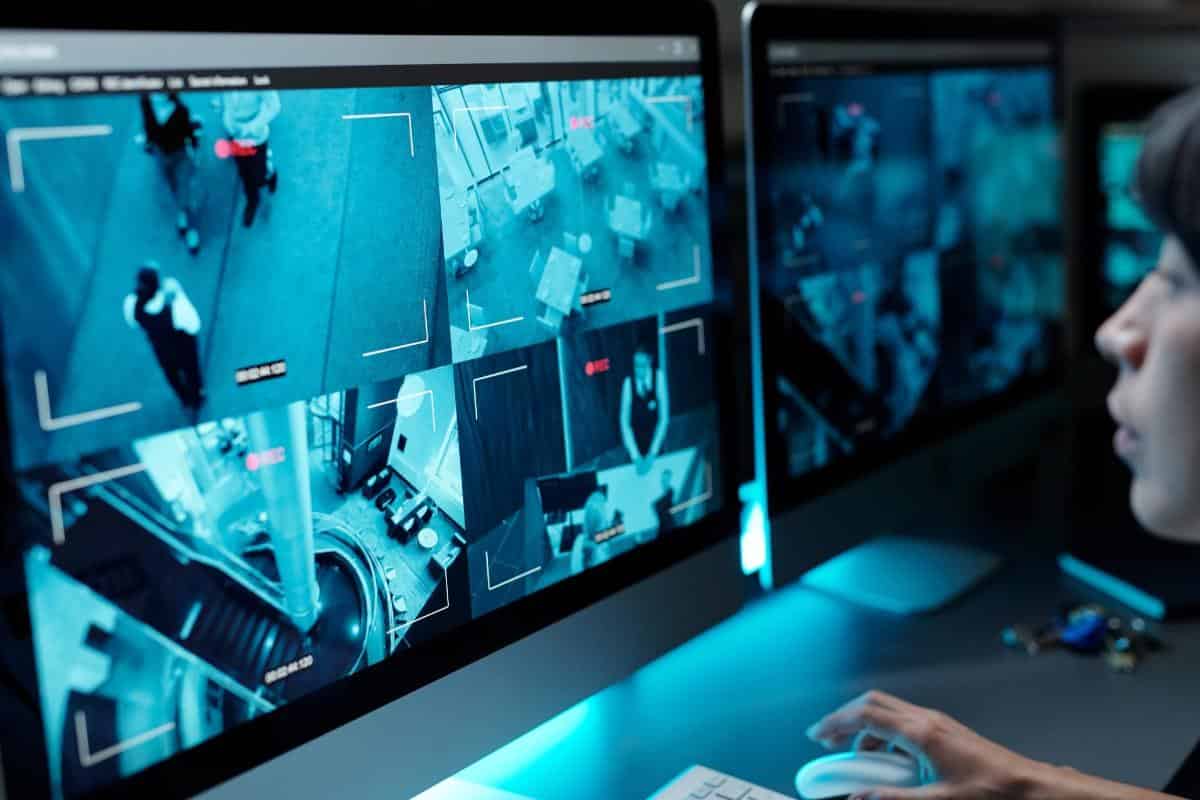
So, what is VSaaS? The service model of the VSaaS video surveillance system deployment and maintenance operations functions as a financing solution for its users. The setup of VSaaS systems at a technical level matches a standard system installation, which customers often purchase directly. The distinction between the two systems exists because their ownership structure and their process of operating costs through their entire existence differ from each other.
A VSaaS engagement generally includes:
- Design and engineering a robust and scalable security solution
- Installation and configuration of cameras, recorders, networking, and software
- Remote access and centralized management through secure web and mobile interfaces
- Subscription-based support, updates, and vendor responsibility for uptime
- Maintenance, software upgrades, and lifecycle refresh planning
VSaaS is not a hardware rental model and does not inherently include active human monitoring. It is a managed installation and support service where the provider assumes responsibility for system operation, updates, and long-term performance.
How Video Data Is Captured, Stored, and Accessed
Video recording equipment includes both enterprise cameras and edge devices, which together deliver video feeds. Organizations choose their storage methods for footage based on their need for bandwidth and their need to meet compliance requirements, which include local storage, centralized storage arrays, and cloud environments. The secure dashboards with role-based access controls enable authorized personnel to access both live video streams and recorded video content.
What Are the Core Components of Video Surveillance as a Service (VSaaS)?
A VSaaS solution is made up of several integrated components that work together as a managed video surveillance system.
Design and Engineering
The design and engineering process begins with a structured review of operational requirements, site conditions, and security objectives. System specifications are developed to align with functional needs, budget parameters, and long-term scalability. This approach ensures the resulting surveillance solution supports performance, compliance, and cost predictability.
Cameras and Edge Devices
The system uses various camera types, which include fixed and PTZ, thermal, and AI-enabled cameras that serve commercial and industrial settings. Edge devices handle their local processing tasks and store data temporarily during operations.
Network Infrastructure and Storage
The system requires dependable wired and wireless networks to transmit video data successfully. The system enables three storage options, which include on-premise, cloud-based, and hybrid solutions that match retention requirements and bandwidth limitations.
Video Management Software
VMS platforms control recording, playback, analytics, access rights, and alerts. The provider controls all software updates and compatibility within the VSaaS model.
Network Connectivity and Security Controls
The system uses segmentation, encryption, and authentication with ongoing monitoring to secure video traffic while blocking unauthorized access attempts.
What Are the Key Benefits of VSaaS for U.S. Businesses?
VSaaS delivers both financial and operational advantages across industries.
Scalability and Flexibility
Enterprises maintain their basic infrastructure design while they bring in new cameras, storage, analytics, and sites. They use this setup to quickly adapt their operations when their risk levels and operational needs change.
Cost Efficiency and Predictable Pricing
The subscription pricing model allows businesses to distribute their expenses throughout the subscription period, so their costs match their operational activities. Enterprises can use the budget forecast to support their financial planning and reduce their capital expenditures.
Remote Access and Centralized Monitoring
The system provides users with the ability to access live and archived video content from various locations through its unified dashboard system. Central control systems enable the security operations team and risk management team to work together more effectively while delivering better operational results.
Reduced Security Staffing and Labor Requirements
VSaaS reduces the need for dedicated in-house personnel to monitor cameras, manage systems, and perform routine maintenance. Ongoing monitoring, system updates, and technical support are handled as part of the service, allowing organizations to limit internal staffing demands while maintaining consistent security coverage and response capabilities.
OPEX Over CAPEX
The transfer of surveillance costs from capital expenditure accounts to operating expenses allows organizations to direct their funds toward essential business development projects while they maintain control over their critical operational systems.
How Does VSaaS Compare to Traditional Video Surveillance Purchasing?

The primary difference between VSaaS and traditional purchasing lies in financing and operational responsibility, not technology. The organization maintains complete ownership of hardware and software in a traditional model, which requires them to handle all updates, licensing, maintenance, and support tasks on their own.
With VSaaS, those same responsibilities are handled through a service contract, which spreads the costs over time while the provider takes control of managing product lifecycles. The cameras, analytics, network design, and system capabilities can be exactly the same in both models.
VSaaS has always been known to be a security service built on the right budget amidst multiple layers, including traditional security architecture.
VSaaS Deployment: Challenges and Solutions
What Challenges Do Organizations Face With VSaaS Deployment?
Here are some of the common challenges organizations face when deploying VSaaS, many of which are similar to those found in traditional video surveillance systems.
Network and Bandwidth Limitations
Modern cameras with high definition and AI analytics generate continuous, high-volume video streams. Enterprise networks need proper segmentation, sufficient uplinks, and Quality of Service (QoS) controls to avoid congestion and degraded performance. Without this, deployments can underperform, a common cause of video system issues, whether owned or serviced.
Data Security, Privacy, and Compliance
Cloud or hybrid VSaaS systems require strict controls over authentication, encryption, access rights, and data retention. The service model itself does not cause exposure because misconfigurations during setup lead to security breaches. Organizations that store video content outside their premises must follow HIPAA, CJIS, and all other sector-specific regulations that apply to healthcare, finance, and government operations.
Integration With Existing Systems
VSaaS solutions must connect with access control, intrusion systems, and operational analytics platforms. Without careful design and alignment, integration gaps can create blind spots, slow alert processing, and fragment monitoring functions.
Scalability and Multi-Site Management
The VSaaS solution needs to provide centralized management capability for businesses that operate multiple locations and intend to expand their operations. Large and multi-location organizations need centralized management. Unified platforms help streamline policies and responses across sites, improving consistency and reducing response time. Cloud and hybrid models are increasingly chosen for centralized control and scalability.
Cloud Connectivity and Reliability
The VSaaS system that operates through cloud technology requires stable internet connections for its functionality. The system performance gets harmed by outages and low bandwidth when it comes to monitoring operations and sending alerts. Because VSaaS often depends on stable internet connectivity, outages or inconsistent bandwidth can interrupt monitoring, real-time alerts, and footage uploads. Many organizations mitigate this through hybrid architectures, redundant networks, and edge processing to retain continuity during disruptions.
What Are the Practical Solutions to Common VSaaS Deployment Challenges?
Three practical approaches serve as the main methods that U.S. enterprises use to handle these challenges.
Hybrid VSaaS Architectures
The combination of local recording and cloud management enables organizations to achieve optimal system performance while maintaining budget control and fulfilling regulatory requirements. Enterprises typically utilize hybrid system designs in their operational environments.
Security Best Practices and Governance
Video systems maintain their security throughout the service period because organizations establish access controls, encryption requirements, and auditing procedures.
Vendor Selection and Service Design
An organization needs to choose a vendor who has expertise in executing enterprise-level implementations. The actual operational requirements of an organization should determine the service design, which should not use standard templates.
Conclusion: A Smarter Way to Manage Video Security
VSaaS transforms video surveillance from its previous model of permanent equipment setup into an ongoing procedure for maintaining security operations. The system provides organizations with complete protection through its permanent maintenance and security updates, which expert personnel conduct according to actual threat assessment needs. The video security system provides continuous reliability through its capacity to evolve with changing demands while maintaining fixed operational expenses and guaranteed system performance.
If your current system feels outdated or difficult to manage, now is the time to rethink it. Speak with the team at Resolute Partners or complete the video solution survey to see how a managed VSaaS solution can support your security goals.
FAQs
1. What Is VSaaS and How Is It Different From Traditional Video Surveillance?
VSaaS is an installation and support service model that spreads costs over time and includes maintenance, updates, and technical support.
2. Is Video Surveillance as a Service Secure for U.S. Businesses?
Yes, when implemented with proper network security, encryption, and access controls.
3. What Are the Main Benefits of VSaaS for Multi-Location Organizations?
Centralized management, predictable costs, and consistent security standards.
4. What Challenges Should Businesses Expect During VSaaS Deployment?
Network design, integration with existing systems, and data governance are similar to traditional deployments.
5. How Do Companies Choose the Right VSaaS Solution?
By evaluating service design, security expertise, scalability, and long-term support.

Michael S. Blanco is the Chief Executive Officer and Co-Founder of Resolute Partners, LLC, where he leads strategic initiatives across various divisions. After owning family entertainment centers in New England, he co-founded Resolute Partners in 1996, launching the first Internet cafés for the U.S. Navy and partnering with AT&T for global deployment. A pioneer in wireless communications, Michael has expanded the company’s focus to include Energy Management/IoT, Cybersecurity, and Managed Video Security. He holds a degree from the Rochester Institute of Technology.

Stay up to date.
Subscribe for latest news, protection tips, special offers, and more!


Live Video Monitoring
Our trained video security surveillance monitoring professionals can quickly spot suspicious activity captured by business security cameras. We review live video to determine if criminal behavior is suspected.