Summary: Identification or verification of individuals based on their facial characteristics is the main application of facial recognition systems that utilize computer vision and machine learning. The technology, which was once restricted to a few applications, has now permeated various industries such as security, retail, healthcare, and storage. It is important for businesses to understand the potential of the technology and its effects, as well as the privacy and security issues related to the use of the technology to support business objectives.
Learning how facial recognition technology works through face detection and analysis, and the accuracy-enhancing algorithms can provide a significant competitive edge to businesses, especially considering that the US facial recognition market is forecasted to be around $1.75 billion by 2025 and beyond. This article covers the fundamental ideas, practical considerations, and real-world applications that organizations must be aware of before applying the technology.
Resolute Partners assists companies in every step of the facial recognition deployment lifecycle – planning, implementation, and even management – guaranteeing that the solutions are in line with security objectives, legal compliance, and quantifiable business results.
What Is Facial Recognition Technology?
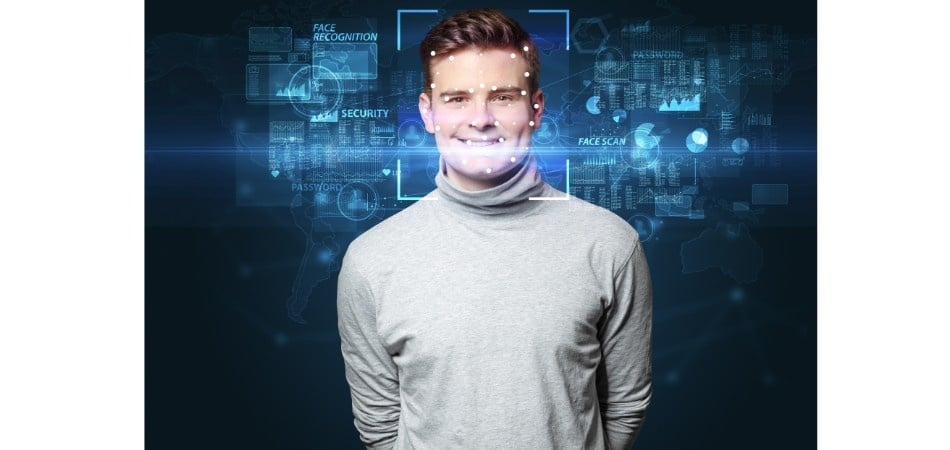
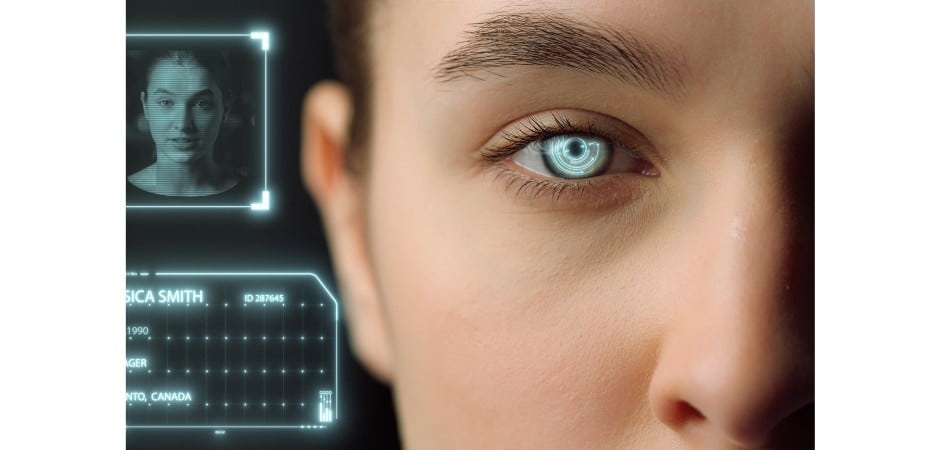
Facial recognition technology is a biometric system that differentiates or confirms people through their distinctive facial traits. It relies on video security cameras and computerized programs to collect and compare facial information instantly, thus boosting security and easing access compared to the old ways of cards or codes.
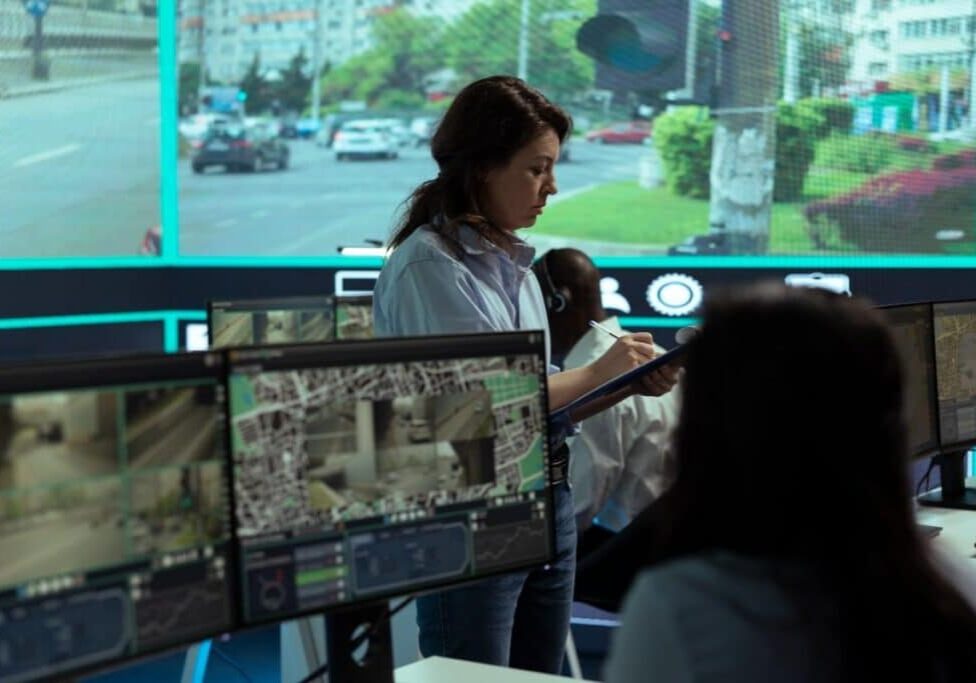
Facial recognition technology is now a part of contemporary video surveillance systems. These systems not only record but also draw attention to the potential dangers, keep track of entry areas, and offer insights into operations. The attention has moved from merely monitoring to understanding situations in real-time.
How Facial Recognition Technology Integrates With Video Surveillance
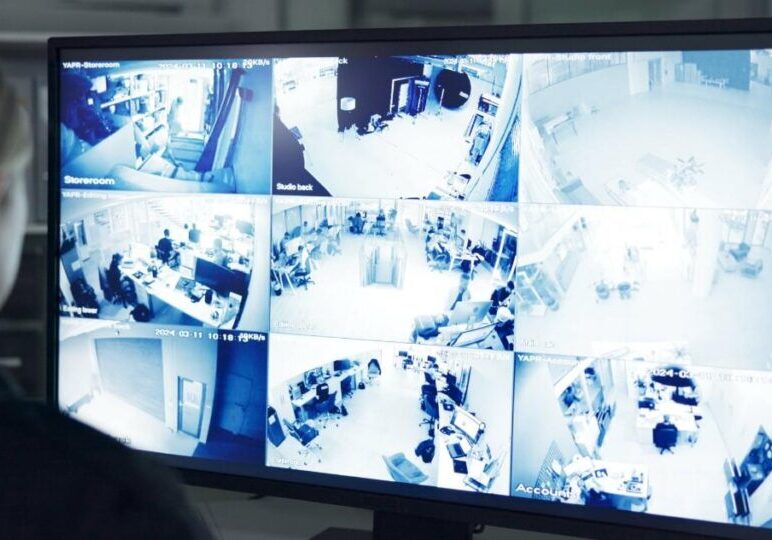
Facial recognition technology is a multifaceted security system that integrates with video surveillance systems. Modern facial recognition systems are developed as layered solutions using a combination of cameras, analytics platforms, and backend infrastructure. High-resolution IP cameras are responsible for capturing video data, while the analytics software processes facial features and carries out the identification tasks.
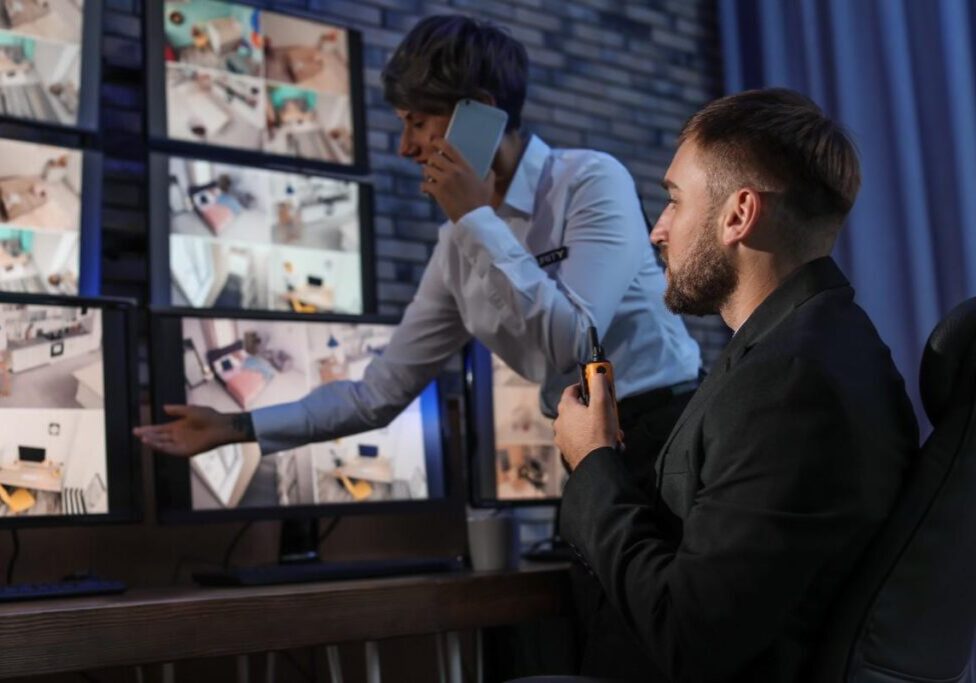
In US deployment scenarios, the integration of facial recognition with the existing video management systems, access control platforms, and security operations centers is quite common. This integration enables organizations to monitor centrally, automate the responses, and maintain compliance with internal security policies.
For example, facial recognition analytics can notify the security personnel in case a restricted person enters the site, store the records of the entries for later auditing, or help the investigations by quickly determining who was in the video. If the facial recognition system is set up appropriately with the right network and system integration, it will enhance the monitoring without interfering with the current operations.
How Does Facial Recognition Technology Work?
The process associated with facial recognition technology is segmented into several stages, with each stage contributing to the rapid and precise performance of surveillance and access control in real time.
Data Capture, Processing, and Identification Pipeline
The first step in this process is to take photographs or record videos using the cameras. Subsequently, the facial recognition application detects the faces, analyzes the key features, generates digital models, and finally matches these models with those stored in the database. Usually, the whole process operates in real-time.
Image Capture and Face Detection
After detection, the system evaluates specific facial landmarks—the space between the eyes, nose form, jawline shapes—and produces a digital “faceprint.” This template acts as a mathematical representation of the face, which is then matched against stored templates in the database.
Matching, Verification, and Real-Time Alerts
The faceprint created is matched against the system’s saved records. If a match is found, the identity is confirmed within seconds. In case an unauthorized or marked person is identified, security teams are notified immediately through real-time alerts. Meanwhile, access events are recorded to support compliance, audits, and ongoing operational analysis.
What Are the Pros and Cons of Facial Recognition Technology?
Facial recognition technology has frequently been associated with enhancing security and reducing human participation, but when analyzing the facial recognition technology pros and cons, the discussion would not be restricted to these two factors.
Here are the top benefits of facial recognition technology:
Finding lost individuals and suspect identification: Facial recognition technology is leveraged by law enforcement to compare live or recorded videos with watchlists, thus simplifying the identification process of missing people or suspects in prolonged investigations.
Deterioration of crime and loss reduction: In the retail and other sectors, facial recognition technology integrated with CCTV cameras is utilized to prevent theft, chase away habitual criminals, and hasten the inquiry process for incidents.
Enhanced protection in major areas: Biometric authentication has made its way through the whole airport and bank system and border control to prevent fraud, make identity checks easier and faster, and lastly, to increase the number of passengers passing through the control quickly.
Reduction in the number of physical points of interaction: The use of contactless identification implies security codes, PINs, and passwords no longer, therefore, allowing quicker and secure access to buildings, devices, and services.
Proffered advantages for both the company and the user: Facial recognition technology provides support for photo organization, certain clinical diagnostics, and personalized retail experiences, which in turn lead to efficiency and user convenience.
Cons of Facial Recognition Technology
Despite its benefits, facial recognition technology raises important concerns that organizations must address carefully.
Privacy and civil liberties risks: The practice of collecting facial data on a massive scale, especially in public places, is considered a severe form of video monitoring and has therefore led to restrictions in some areas.
Impact on personal freedom: The opponents point out that this measure intrinsically assumes everyone to be a suspect. They argue that constant monitoring can restrict the free exercise of the two most fundamental rights, the right of movement and the right of expression.
Legal and data protection concerns: Facial recognition data is considered to be private and sensitive. Its improper handling or misuse may result in violation of data protection laws and civil rights.
Accuracy, bias, and false positives: System performance is mainly influenced by the surrounding environment and the demographic representation, which in turn increases the possibility of mistakes during the identification process and the subsequent harm to the person’s reputation.
Security and misuse risks: A central biometric database attracts hackers and, in the case of a breach, the stolen data can be used for various fraudulent and illegal purposes such as impersonation, harassment, or even blackmail.
What Ethical Issues Are Associated With Facial Recognition Technology?
Ethical issues with facial recognition technology need to be considered from the first instance and rethought at regular intervals.
- Privacy and Civil Liberties: Continuous facial recognition raises issues regarding consent, data storage, and misuse. Organizations should openly communicate the locations and purposes of the technology and should not use it for purposes beyond those stated. Clear signs and simple language are effective in reducing misunderstanding and building confidence.
- Bias and Fairness in AI Models: Training data bias may cause the model to provide different levels of accuracy among various groups. This means the vendor must be very selective, and the system needs regular testing. Controlling bias is a continual obligation rather than an occasional endeavor.
- Transparency and Governance: Robust governance clearly defines access, supervision, and error correction rules. Policies and accountability must be in place to ensure use is responsible.
How Is Facial Recognition Technology Regulated in the US?
Organizations must carefully navigate this complicated regulatory setting to practice the legalization of facial recognition systems.
- Federal Guidance: The Justice Department, together with a few other government agencies, has established guidance for the ethical and lawful use of facial recognition technology.
- State and Local Policies: Biometric privacy regulations that guarantee individuals’ rights by requiring their consent and providing sufficient security for the collected data have been enacted in some US states, including California and Illinois.
- Compliance as a major concern for enterprises: With compliance for businesses also comes a host of activities, such as obtaining informed consent, limiting data retention periods, implementing biometric data security, and maintaining transparency around facial data usage. Companies that are operating in different states tend to follow the most stringent regulations that are applicable in a certain case.
How Can Organizations Deploy Facial Recognition Responsibly?
Responsible deployment comes with a set of challenges. It is a process that needs a structured approach to manage and balance the objectives of security with obligations that are ethical and legal.
Consulting and Risk Assessment Services
Consulting services offer support to companies in evaluating their readiness, risk exposure, and compliance with regulations. The use cases, criteria for success, and safeguards are defined during this phase before the actual implementation starts.
Implementation and Integration Services
The designers and integrators of the system take care of all technical aspects, right from the system architecture, positioning of the cameras, handling of data, and incorporation into the current infrastructure. This minimizes technical debt and operational disruption.
Managed Services and Ongoing Monitoring
The services provided by the management team include monitoring of the system round the clock, tuning of the system performance, and ensuring compliance. They enable the organizations to cope with changing threats and regulations without putting too much burden on the internal staff.
Training and Change Management
Training of the staff is one of the most important aspects of technology or system implementation. It ensures that the system is used in a correct and ethical manner. Clear steps of operation also help in the prevention of misuse and in gaining the trust of the operators and stakeholders.
How Can US Organizations Measure the ROI of Facial Recognition Technology?
The return on investment is not limited to just savings.
- Cost-Benefit Analysis: Direct benefits are fewer security incidents, less staff workload, and fewer access breaches. Indirect benefits include increased trust, quicker investigations, and a stronger compliance position.
- Metrics for Security Improvement: The main metrics are response time to incidents, rates of false alerts, access violations, and audit results. These indicators reveal if the system is making a difference in the real world.
- Long-Term Value: With the passage of time, facial recognition solutions entail the support for expansion, adjustment, and fortification of the company’s capacity. Their worth increases as the organization is able to identify different use cases and share the insights across the company’s different operations.
Conclusion: Advancing Video Surveillance With Purpose and Precision
Facial recognition technology has changed the perception of video surveillance in organizations and has also changed the entire security mechanism from mere observation to active, informed, and real-time decision-making. Along with proper policies, ethical safeguards, and a dependable infrastructure, it not only mitigates risks and facilitates quicker responses but also fosters the creation of safer areas without putting extra workload on the operations. The primary benefit comes from the technology and meticulous design, governance, and incorporation of the technology into the larger security strategies.
If you are ready to move beyond traditional surveillance and build a system that delivers clarity, accountability, and results, Resolute Partners can help. Our team creates and takes care of video security systems that are powerful, compliant, and developed to keep up with the growth of your organization. Get in touch with Resolute Partners to begin fortifying your security posture with trust and purpose.
Check out the Advanced Network Services to improve your video surveillance strategy today.
FAQs
Q1. What Is the Purpose of Facial Recognition Technology in Video Surveillance?
Its primary applications are real-time identification of persons, their control through access, detection of security threats, and monitoring of the operations within the different industries.
Q2. How Can Organizations Ensure Privacy and Compliance With Facial Recognition Technology?
By adhering to federal and state regulations, implementing clear data governance policies, and obtaining informed consent where required.
Q3. What Are the Principal ROI Metrics for Face Recognition Technologies?
The items on the list of metrics are the decrease in security incidents, quicker response times, the gains made in operational efficiency, and enhancements of compliance.
Q4. In What Way Do Managed Services Aid Facial Recognition Deployment?
Managed services will take care of system monitoring, updating, troubleshooting, and optimizing performance to maintain effectiveness over time.
Q5. What Are the Requirements for Staff Training Who Are Working With The Facial Recognition Technology?
Training for the staff includes operation of the system, privacy and ethical guidelines, and procedures for handling emergencies.

Michael S. Blanco is the Chief Executive Officer and Co-Founder of Resolute Partners, LLC, where he leads strategic initiatives across various divisions. After owning family entertainment centers in New England, he co-founded Resolute Partners in 1996, launching the first Internet cafés for the U.S. Navy and partnering with AT&T for global deployment. A pioneer in wireless communications, Michael has expanded the company’s focus to include Energy Management/IoT, Cybersecurity, and Managed Video Security. He holds a degree from the Rochester Institute of Technology.

Stay up to date.
Subscribe for latest news, protection tips, special offers, and more!


Live Video Monitoring
Our trained video security surveillance monitoring professionals can quickly spot suspicious activity captured by business security cameras. We review live video to determine if criminal behavior is suspected.