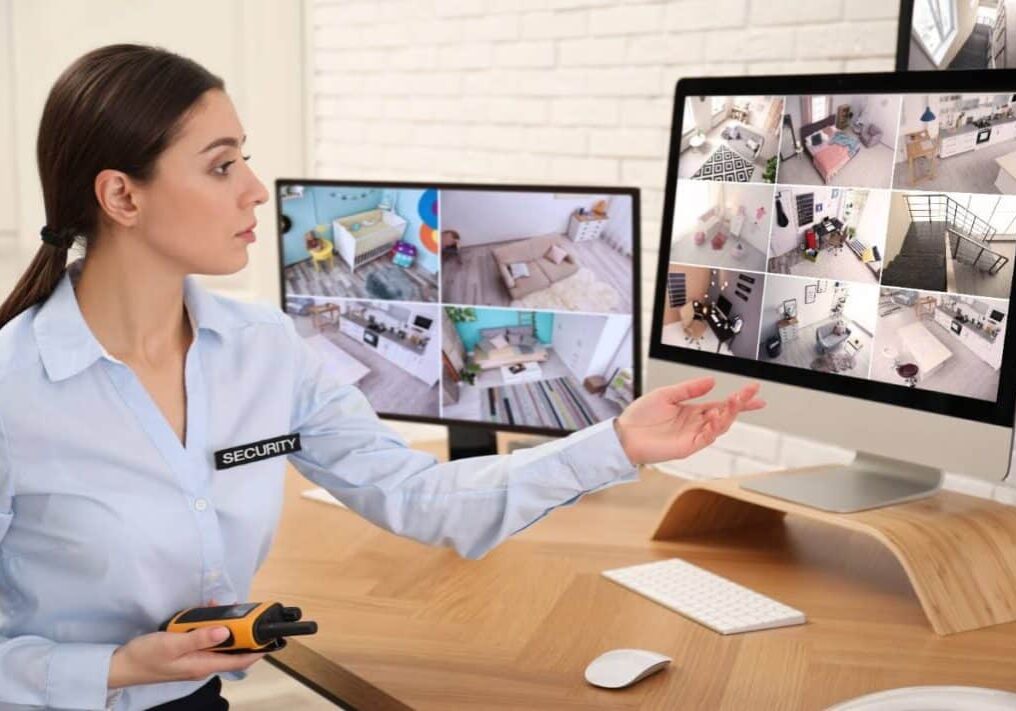
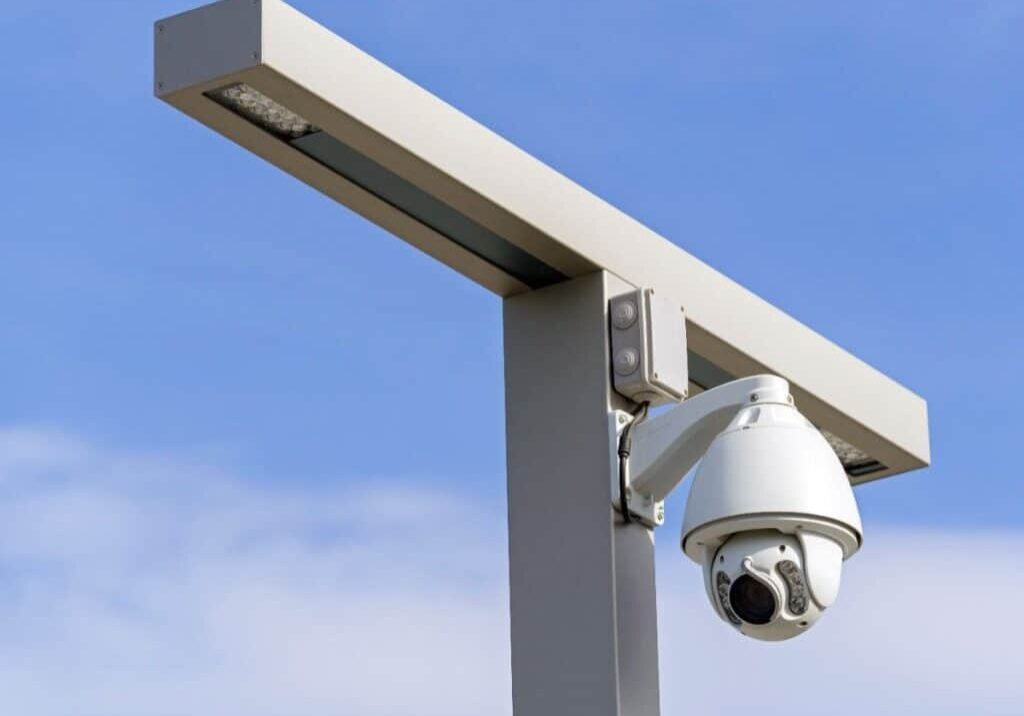
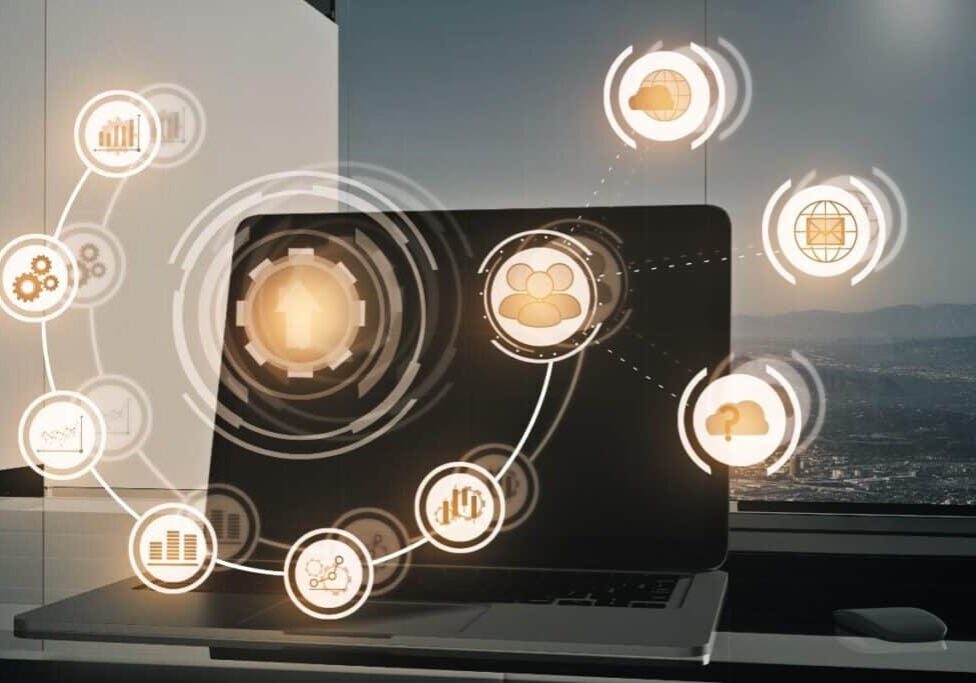
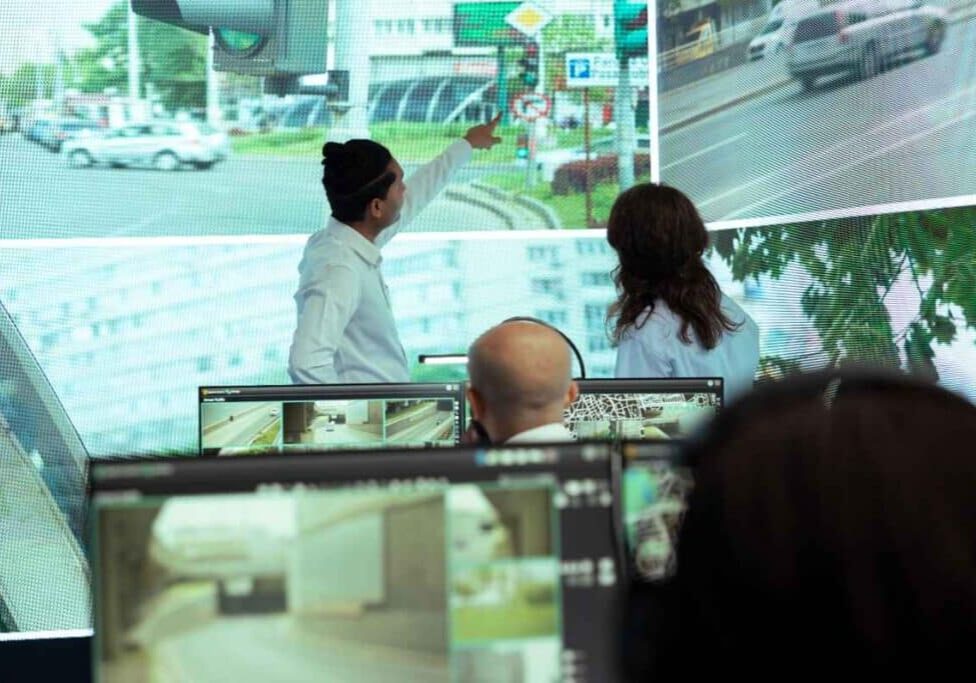
Summary: Facilities are increasingly required to offer higher standards of safety, efficiency, and reliability. IoT remote monitoring technology has revolutionized how facilities are managed. It integrates various devices and networks into one information system. Energy management and security monitoring are some of the sectors where these technologies offer facility managers real-time data and information. This blog aims to provide information about IoT remote monitoring, along with its components and advantages, to establish it as a necessity in managing facilities.
Modern facilities face ongoing challenges such as equipment failures, rising energy costs, unintended security vulnerabilities, and limitations of human inspections. These challenges are amplified for companies managing multiple facilities. IoT remote monitoring offers a cost-effective solution by continuously tracking devices across locations and providing real-time updates, enabling unified decision-making by qualified personnel.
This allows companies to make informed decisions without the need for multiple daily visits to each facility. From energy management to security monitoring, IoT remote monitoring helps enterprises prevent disruptions while minimizing reliance on human intervention.
What is IoT Remote Monitoring, and How Does IoT Remote Monitoring Work?
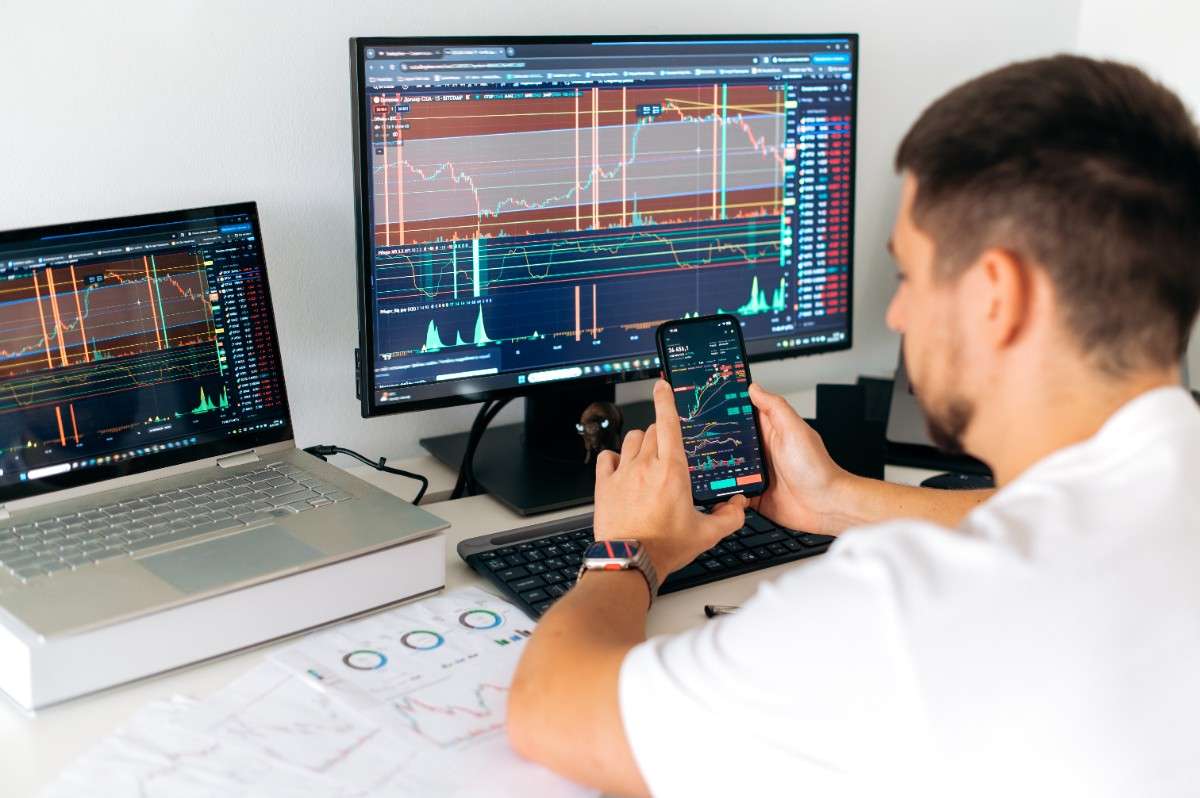
So, “What is remote monitoring IoT?”
IoT (Internet of Things) remote monitoring is a system that allows organizations to monitor their devices, facilities, infrastructure, and equipment from a central location (or multiple locations) through connected sensors and digital networks. It provides organizations with real-time visibility into physical and logical operations without the need for human intervention.
In simple terms, IoT-based remote monitoring enables buildings and assets to become measurable environments. Rather than relying on periodic inspections or reports, organizations gain continuous access to real-time operational data. This data enables faster decision-making, minimizes uncertainty, and improves control over one or multiple facilities.
How IoT Remote Monitoring Works
An IoT remote monitoring system operates through four coordinated stages.
1. Data Collection
Sensors and connected devices are embedded throughout the facility. These devices monitor environmental and operational parameters such as temperature, humidity, motion, energy consumption, vibration, voltage, water levels, and occupancy. In security environments, cameras and access control systems also provide real-time activity data.
The purpose at this stage is straightforward. Capture accurate information from the physical environment.
2. Data Transmission
Once collected, the sensor data is transmitted through secure communication networks. These networks could be Ethernet, Wi-Fi, cellular networks, or Low Power Wide Area Networks. The protocols used in the communication process could be MQTT, CoAP, Zigbee, Z-Wave, BLE, LoRaWAN, NB IoT, or 6LoWPAN. These protocols are used for efficient communication in distributed networks.
This layer ensures that information moves reliably from the facility to processing systems without interruption.
3. Data Processing and Integration
After transmission, the information is processed either at the edge, in a local data center, or in the cloud.
Decisions can be made locally through edge processing. For example, if a machine is above a certain temperature, it can shut down the machine without waiting for cloud processing to confirm it. Cloud computing systems enable more extensive data analysis in various establishments. It gathers data, creates reports, and maintains a record of past events to observe trends.
4. Analytics and Response
The last stage transforms the raw data into operational knowledge. The analytics engine analyzes the patterns and identifies unusual conditions. In case of unusual conditions, the system may notify the facility managers.
With time, the accuracy of the prediction increases through advanced analytics and artificial intelligence. This facilitates predictive maintenance, early detection of failures, and accurate control of energy consumption.
What Are the Core Components of IoT Remote Monitoring Security?
A well-implemented IoT remote monitoring system consists of four key components:
1. Sensors and Devices
These devices are the sensors that are aware of the environmental changes, movements, electrical measurements, or access activities. Cameras and measurement systems form the core of any remote IoT monitoring system.
2. Networks and Connectivity
The dependable communication options accessible to carry out communication of sensor data are Ethernet, Wi-Fi, Cellular Networks, and Low Power Wide Area Networks. Also, efficient communication protocols like MQTT and CoAP are available.
3. Platforms and Data Integration
The collected data is processed at the edge for real-time processing or in cloud platforms for long-term analysis. Data integration tools help in structuring the collected information into dashboards that can be easily acted upon.
4. Analytics and Automation
The algorithms recognize abnormal patterns, respond automatically, and alert users. It may be temperature, machinery faults, or unauthorized access, but the analytics turn plain data into operational intelligence.
5. Security
Security is another significant aspect in IoT-based remote monitoring systems. Security in this context involves protecting IoT-based remote monitoring systems from unauthorized access and cybercrimes. Encryption and access control are used to ensure data integrity and confidentiality.
What Are the Benefits of IoT Remote Monitoring for Facilities?
Facilities that employ IoT-based remote monitoring benefit from the following:
- Operational Efficiency: Automation saves man-hours. Real-time monitoring facilities can help in identifying problems and solving them.
- Energy Optimization: The sensors are able to recognize the patterns and are able to control the systems, such as the HVAC and lighting systems.
- Minimization of Risk: The continuous monitoring of properties, access points, and areas may be beneficial for ensuring a reduction in theft, damage, and outages.
- Improved Compliance: Real-time logging and alerting help to maintain consistent safety and regulatory compliance.
- Scalability: Designs of modular facility architectures are engineered to easily add new devices without interfering with current operations.
In fact, research findings point out that organizations embracing enterprise IoT technologies benefit by having reduced downtimes of up to 30%, as well as increased efficiency in energy consumption by 20%.
What are the Industry Applications of IoT Remote Monitoring?
IoT remote monitoring is versatile across sectors:
- Warehouses and Distribution Centers: These solutions enable warehouses and distribution centers to monitor their assets and environmental conditions while also managing their inventory to reduce losses.
- Office and Commercial Buildings: Internet of Things solutions enable office and commercial buildings to monitor their energy consumption and occupancy patterns, which improves the efficiency of their HVAC systems and hence minimizes costs while ensuring comfort for their occupants.
- Healthcare Facilities: Internet of Things solutions help healthcare organizations monitor temperature-controlled storage areas, indoor air quality, and patient safety systems, which help them with their healthcare operations.
- Utilities and Manufacturing: Internet of Things solutions help with the monitoring and business continuity of the operations.
Government and Public Infrastructure: Internet of Things solutions help with surveillance systems, access control systems, and compliance management solutions for the government and public infrastructure.
What are the Advantages of IoT’s Remote Monitoring in Enhancing Security and Safety?
Security is one of the main considerations for IoT implementations, as the devices and networks must be protected against intrusion and cyber attacks. When devices or credentials are weak, IoT systems can pose a significant risk. The following security risks are addressed and mitigated by Resolute Partners:
- Device-level Security:
Each device in the IoT has strong authentication, password management, and access control. This ensures that no unauthorized person gains access to a particular device or performs operations like updating and querying the device. - Network Segmentation:
IoT devices are connected to a segmented network that is separate from the business systems. This ensures that the risk is contained in case a device or a sensor is compromised. - Continuous Monitoring:
Real-time monitoring entails monitoring device and network activity to identify unusual patterns. Anomaly detection software that uses artificial intelligence notifies administrators in real-time to respond to possible threats. - Secure Integration in the Cloud:
Data transmitted to cloud services is encrypted both in transit and at rest. Effective access controls are put in place for users and applications, and continuous monitoring is used to identify any unauthorized access or unusual activity in the cloud environment.
These practices ensure the monitoring of the IoT takes into account the protection of physical assets and virtual information systems, in order to establish the link between IoT safety and security.
What Are the Key Trends Shaping IoT Remote Monitoring in 2026?
A variety of trends are affecting how facilities are using and benefiting from IoT:
- AI-Powered Automation: Today, IoT platforms are increasingly using AI to analyze data from sensors and make predictions about failures. This is done to ensure that there is no human intervention in the process and that facilities management takes care of the problem before it happens.
- Edge-First Architectures: Through processing data closer to the source, decision-making occurs quickly, and less reliance is needed on cloud connectivity. This approach provides faster response times for critical events, creating a reliable operation.
- 5G and Advanced Connectivity: The high-speed and rather low-latency networks assist in supporting large-scale IoT environments that include thousands of IoT devices. Advanced connectivity helps monitor IoT in real time, particularly in complex settings.
- Sustainability Initiatives: IoT devices are placed at the forefront in monitoring the consumption of energy, emissions, and resources of organizations. This helps companies on their way to sustainability, keeping costs low.
- Heightened Security Standards: With greater IoT deployment, security standards are now being implemented, such as encryption and security standards, which will ensure that sensitive information is protected.
Conclusion: Why Resolute Partners Is Your Go-To IoT Solutions Provider
IoT device integration is no longer a future need. Today, it has become a necessity for secure, efficient, and intelligent operations in a commercial, industrial, or government setting. Real value is unlocked only when the right devices are integrated into a properly designed system that provides real-time insights and operational efficiencies. Resolute Partners assists organizations in going beyond the use of individual devices by leveraging its engineering and security expertise to create a scalable IoT environment.
By partnering with Resolute Partners, organizations aim to overcome the concept of individual devices with the help of a strong foundation of solid network engineering, security, and device integration expertise, enabling them to learn the ways of building sustainable IoT infrastructures.
Talk to an IoT integration specialist today and take the next step towards smarter and safer ways of working.
Connect With Resolute Partners Now →
FAQs
Q1: Is the Security of IoT Remote Monitoring Sufficient for Enterprise Use?
Yes. The security of IoT is covered through the authentication, encryption of devices, and the monitoring of the network.
Q2: How Does IoT Remote Monitoring Help in Improving Energy Efficiency?
Sensors track usage patterns and make adjustments to HVAC and lighting. This reduces energy usage and expenses while ensuring comfort and compliance with regulations.
Q3: Can IoT Remote Monitoring Be Applied to Hard-to-Reach or Remote Locations?
Yes. LoRaWAN and NB-IoT enable secure and extended-range remote monitoring of distant locations, parking garages, and hard-to-reach areas.
Q4: How Soon Can a Return on Investment Be Expected After IoT Implementation?
The return on investment for IoT projects depends on project size according to common industry standards. Energy management small-scale projects provide a quick return on investment, whereas industrial projects deliver a high return on investment over extended time periods.
Q5: Which Sectors Can Derive the Most Benefit from IoT Remote Monitoring?
Sectors that require real-time monitoring and high regulatory standards will benefit most from IoT remote monitoring, including warehousing, manufacturing, healthcare, utilities, and government.

Michael S. Blanco is the Chief Executive Officer and Co-Founder of Resolute Partners, LLC, where he leads strategic initiatives across various divisions. After owning family entertainment centers in New England, he co-founded Resolute Partners in 1996, launching the first Internet cafés for the U.S. Navy and partnering with AT&T for global deployment. A pioneer in wireless communications, Michael has expanded the company’s focus to include Energy Management/IoT, Cybersecurity, and Managed Video Security. He holds a degree from the Rochester Institute of Technology.

Stay up to date.
Subscribe for latest news, protection tips, special offers, and more!


Live Video Monitoring
Our trained video security surveillance monitoring professionals can quickly spot suspicious activity captured by business security cameras. We review live video to determine if criminal behavior is suspected.