Summary: The performance, dependability, and scalability of a retail security system in the long-term are determined by the kind of security system integrator the organization selects. The article shows the importance of integrator selection as a business decision and explains the roles of integrators in system design and deployment, and their responsibilities during system operation, while showing organizations how to evaluate an integrator’s abilities. It also highlights critical questions that determine whether security systems function as a unified and reliable system or operate as separate and disconnected components.
Security integrators develop unified security systems by linking physical security systems and digital security systems and testing those systems in actual operating environments. Organizations should consider the potential partners by conducting an all-around analysis, which must include their familiarity with business risks and operational limitations, as well as their capacity to supply an extended coverage far beyond the assessment of technical specifications.
Most organizations face two critical outcomes from their choice of system integrator. Modern security systems must do more than deter threats. The system needs to provide instant operational visibility while it allows users to manage responses, and it keeps complete operational links to business functions and IT systems.
What Is a Security Integrator and Why Does It Matter?
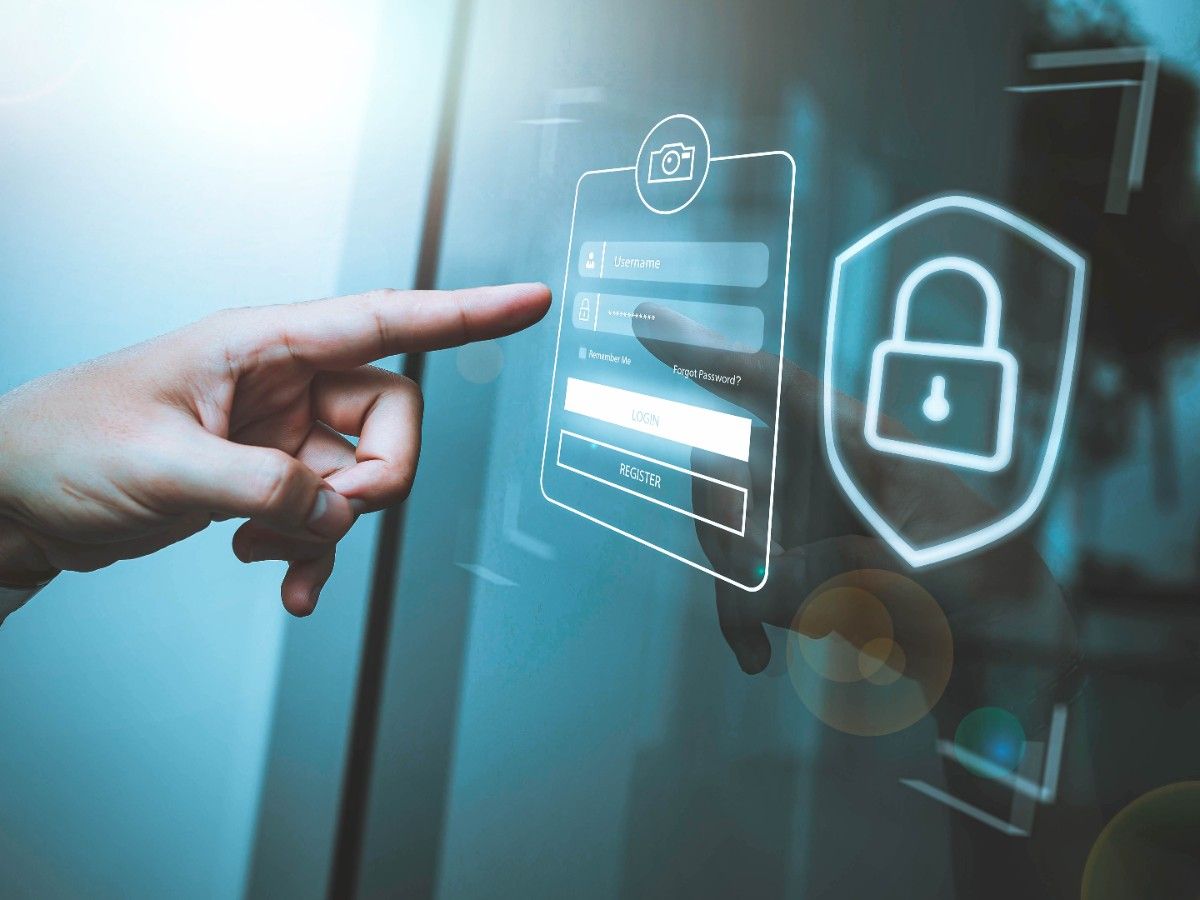
A security integrator is a special partner who handles the design, implementation, and maintenance of interrelated security systems which are working within one reliable setting. The integrators do not provide single applications, but rather they integrate several commercial -off-the-shelf technologies to facilitate risk management, compliance, and operations.
This position is essential under a complex environment, such as campuses, multi-site businesses, and controlled environments, which require a coordinated security performance in terms of uptime and response time. In other words, integrators bridge the gap between the security strategy and the means it takes to execute, thus making highly advanced technologies work together as a cohesive entity.
What Security Systems Do Integrators Work With?
Integrators unify diverse technologies into a single operational environment.
Security system integrators commonly work across multiple technology manufacturers and domains, ensuring interoperability and centralized control.
Video Surveillance and Monitoring
Delivers real-time visibility and recorded evidence across facilities.
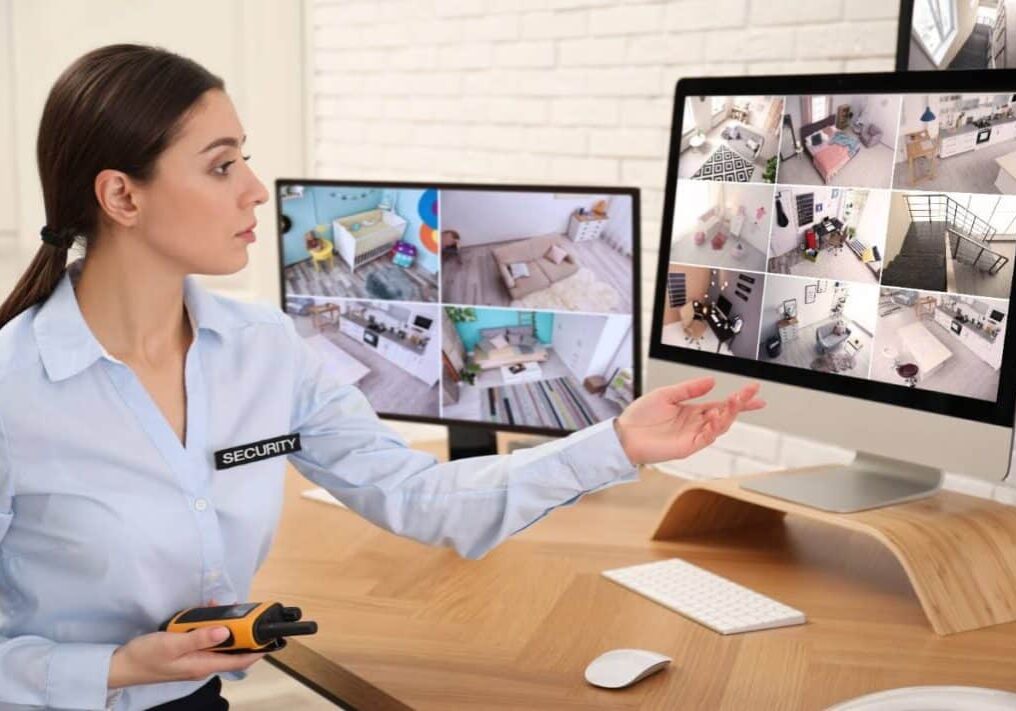
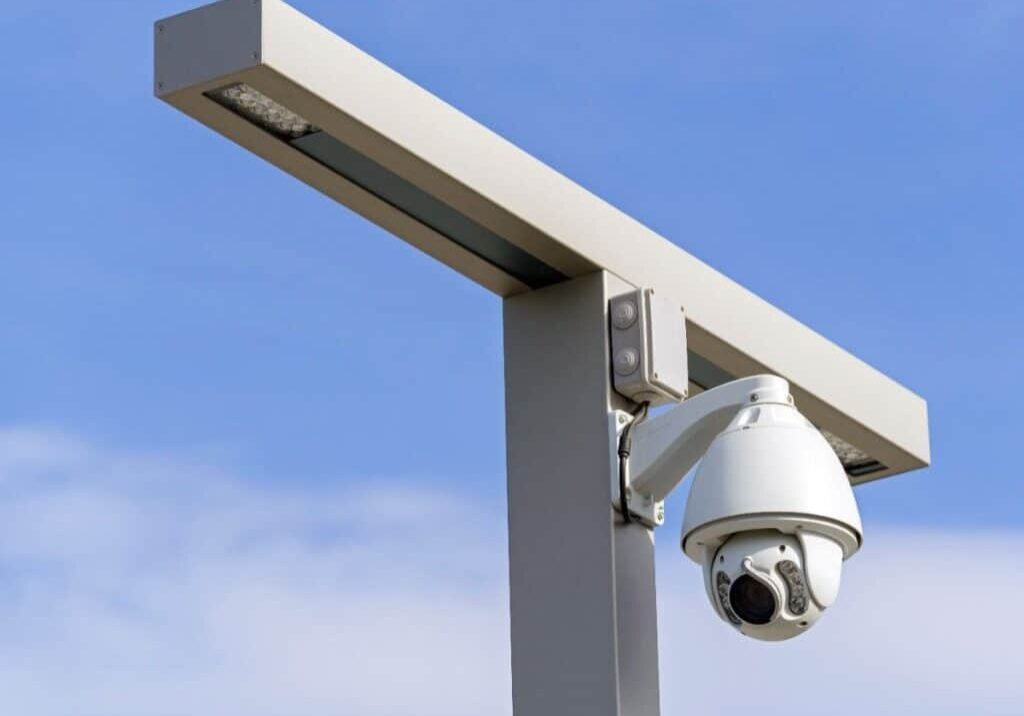
Integrators design and deploy camera systems with video management platforms and analytics systems, and live monitoring workflows. The systems enable both incident detection and investigation processes while supporting proactive response efforts.
Physical Security Systems
Controls access to people, assets, and restricted areas.
The system requires four elements to function, which include access control, credentialing, intrusion detection, and perimeter security. The integrators are responsible for establishing complete system compatibility between the security components and the video monitoring systems.
Network and Cyber Security
Protects security systems from digital threats and performance failures.
Security devices require reliable networks that provide both security and operational resilience. The network architecture that integrators design with their monitoring and segmentation methods will protect against vulnerabilities while enabling high-bandwidth applications.
Unified Command and Control Platforms
Centralizes visibility and response across all security systems.
Unified dashboards allow operators to monitor events, correlate data, and respond quickly. Integrators configure these platforms to match operational needs rather than generic layouts.
What Does a Security System Integrator Actually Do?
A security integrator begins with a comprehensive examination of all current systems, the complete infrastructure, and every operational need. The assessment results lead them to decide which systems need replacement, integration, or upgrade.
The primary objective is to eliminate gaps, redundancies, and fragmentation that reduce system effectiveness. The security tools that organizations collect over time create problems because they lack an established system for integration, which leads to separate monitoring processes. An experienced integrator consolidates these components into a coordinated platform that improves visibility, reliability, and operational confidence.
What Are the Key Roles of a Security System Integrator?

Here are the key roles a security system integrator plays in delivering and maintaining effective security systems.
Security Planning and System Design
The integrator conducts an assessment of the facility, which includes its access points and user groups and its risk levels, to establish an access control system that determines control points and user access rights and operational procedures while choosing suitable security and operational hardware and software solutions.
Hardware and Software Integration
The main responsibility of this position requires maintaining smooth connections between physical equipment and software systems. The integrator establishes access control hardware connections that function properly with both management systems and identity systems, thus eliminating compatibility problems while simplifying system design.
Installation and Configuration
Integrators execute physical device installation, which includes cabling work and network connection setup, before they perform accurate software installation. Proper installation ensures system reliability, consistent performance, and adherence to security policies across all access points.
Testing, Validation, and Commissioning
Before handover, the integrator validates system performance through functional and security testing. The testing process verifies access rules with user roles and system usability and fail-safe behavior. The commissioning process enables the system to function according to its intended design from the moment of deployment.
Ongoing Support and Optimization
Integrators deliver ongoing support through their work to maintain access control systems through system upgrades and their efforts to solve technical issues. The organization receives continuous support, which enables staff transitions, site expansions, and security requirement changes while maintaining system functionality and security standards.
What Are the Benefits of Hiring Security Integrators?
Here are the benefits of hiring a security integrator:
Lower Operational Costs
Centralized system and data management help reduce overall expenses. Organizations avoid the cost and effort of maintaining separate platforms, duplicate applications, and excessive on-premise hardware. Over time, a unified architecture lowers both capital and operational spend while improving predictability.
Stronger Security Posture
The protection of a single integrated platform security system proves to be more effective than the process of protecting multiple security systems. A unified approach decreases attack surfaces while it makes policy enforcement easier and helping organizations fulfill their regulatory obligations. The organization needs to manage two systems because they require less time to set up, and they create a lower chance of security coverage errors.
Real-Time Visibility and Insight
Integrated environments provide immediate access to operational data. Organizations can monitor activity end-to-end and make informed decisions without relying on delayed or fragmented reporting. Real-time visibility supports faster response, better planning, and greater confidence in operational decisions from any location.
Improved Efficiency and Productivity
Automated systems eliminate both manual tasks and repeated work activities. Automation enables smooth data transfer between different platforms while enabling teams to work on tasks that create value for their organization. A business environment that operates efficiently will help maintain employee retention because it reduces their routine tasks while enabling workers to increase their productivity without needing additional staff.
How to Choose the Best Security Integrators for Your Organization?
Regardless of approach, businesses should evaluate integrators using a consistent set of criteria.
Certifications and Licensing
A qualified integrator should hold certifications across multiple platforms and demonstrate the ability to support regulatory and industry compliance requirements such as HIPAA, GDPR, SOC, SOX, or PCI DSS, where applicable.
Technical and Project Skills
Effective integrators combine physical security expertise with strong knowledge of networks, systems, and cybersecurity. They should also demonstrate solid project management capability, including coordinating installation teams and training internal users.
Service Quality and Long-Term Support
Integrators who provide structured training and maintenance services and ongoing support need to receive priority for their work. The security environment requires organizations to maintain their service capabilities for an extended period because these environments keep evolving.
Relevant Experience
Look for integrators with proven experience in environments similar to your own, whether commercial, industrial, or multi-site facilities. Familiarity with sector-specific requirements reduces risk during deployment.
Cost Transparency
Reputable integrators provide clear, itemized pricing that includes equipment, licensing, labor, and services. The parties involved must show their readiness to discuss flexible solutions that will support the upcoming expansion.
What Questions Should You Ask Potential Security Integrators?
Asking the right questions helps determine whether an integrator can support your security and operational requirements over time. The evaluation process should emphasize three key factors, which include technical capability, integration discipline, and long-term service readiness.
Technical Approach and Tools
How do you design and secure integrated environments that include video components and access control systems, network systems, and monitoring systems? What tools do you use to ensure system reliability and performance?
Product Options
What types of security system infrastructure do you support, and how do you manage multi-vendor environments compared to single-vendor deployments?
Integration Methodology
How do you ensure interoperability between systems, and what testing and validation steps are included before system handover?
Support and Escalation Path
What does ongoing support look like, and how are incidents escalated? Do you provide continuous monitoring and response services that operate 24 hours a day throughout the week with established service-level agreements?
Pricing Model and Transparency
How is pricing structured across equipment, software, installation, and ongoing services? What costs should be expected over the system’s lifecycle?
These questions help identify integrators that deliver consistent performance, accountability, and long-term value rather than short-term installation services.
How Can Security System Integrators Support Ongoing Security Evolution?
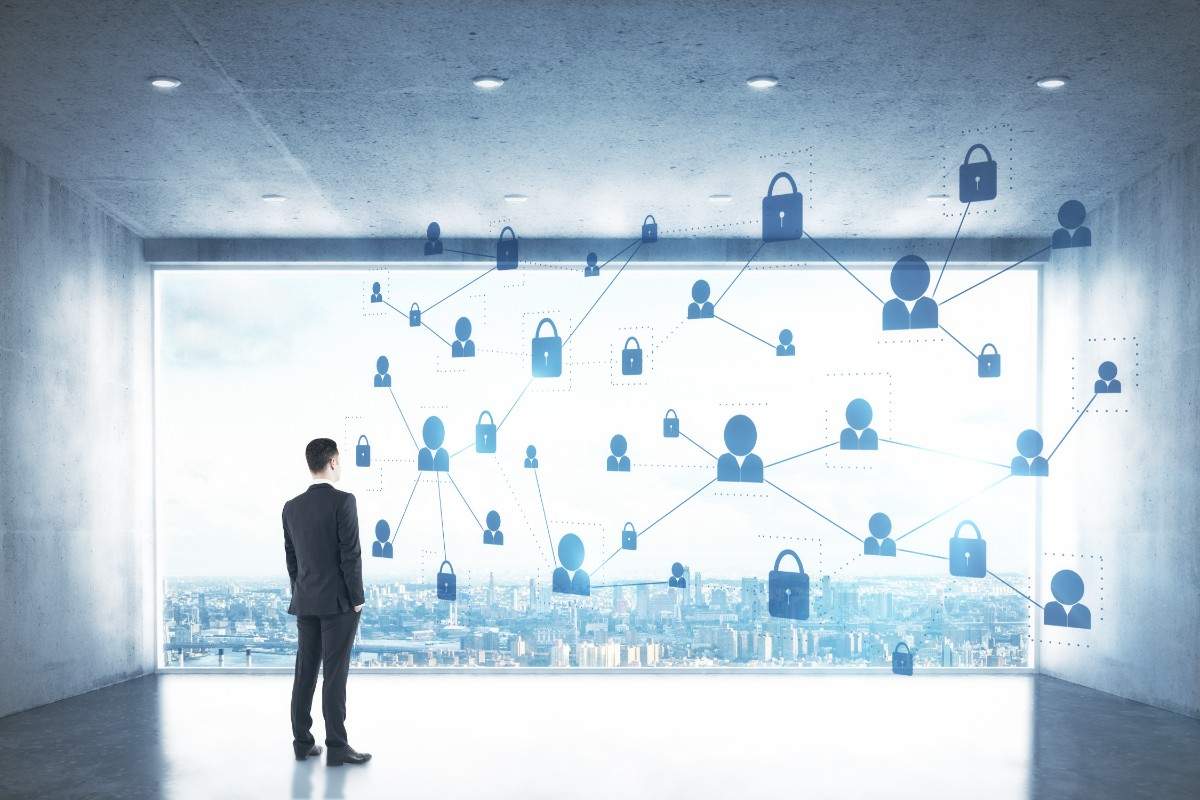
Security system integrators play a critical role well beyond initial deployment. The security systems integrators support organizations by protecting their systems from evolving threats, changing regulations, and technological progress.
Strategic Guidance Beyond Installation
Integrators provide organizations with permanent advisory services that assist them in adopting new technologies that include cloud platforms, artificial intelligence analytics, and integrated cybersecurity systems. The team members need to implement security solutions that will protect their present operations and support their future business expansion.
Regular Audits and System Health Checks
Ongoing assessments ensure that access control, video elements, and network security systems function correctly. Integrators use their expertise to find gaps in security systems while also detecting configuration changes and emerging security threats, which organizations need to address before operational disruptions and compliance violations occur.
Technology Refreshes and Updates
Security platforms undergo development, which requires integrators to handle three essential tasks. The system remains protected while maintaining its ability to grow and work with new features, which include advanced analytics, cloud management, and remote monitoring.
Training and Change Management
Security effectiveness depends on people as much as technology. The integrators offer training to internal teams while assisting with new tool adoption and providing support during system changes, including both operational expansion and service model transitions. The process results in decreased operational friction while delivering extended value to the system.
Conclusion: Selecting a Security Partner Built for Operational Resilience
The security system functions at its optimal level when it operates under its most challenging conditions. The performance of the system depends on the capabilities of its system integrator. Public sector organizations and enterprises achieve long-term value through security platforms that function as permanent secure extensions of their complete infrastructure instead of operating as separate security products.
Resolute Partners treats security integration as an operational discipline. We create and implement security systems together with network solutions that organizations can operate as a single integrated system. Resolute establishes partnerships with local providers who have been assessed for their expertise to deliver specialized solutions that include access control and perimeter barrier systems.
The partner-led approach provides complete infrastructure knowledge and continuous system support while enabling organizations to adjust their security requirements. Your organization requires a security partner to establish a foundation for sustainable business operations. Contact Resolute Partners to create a security plan that works effectively during critical situations.
FAQs
Q1. What Does a Security System Integrator Do That an IT Team Cannot?
They design and integrate physical security systems with operational and compliance requirements that most IT teams are not equipped to manage.
Q2. How Much Do Security System Integrators Charge in the US?
Costs vary by scope and complexity and typically include design, installation, and ongoing support through project-based or managed service models.
Q3. What Certifications Should Security System Integrators Have?
They should hold industry and manufacturer certifications and support compliance with standards such as HIPAA, SOC, and PCI DSS.
Q4. How Long Does It Take to Integrate Multiple Security Systems?
Timelines range from a few weeks for smaller systems to several months for large or multi-site environments.
Q5. Can Security System Integrators Manage Remote Monitoring and Support?
Yes, many offer remote monitoring, maintenance, and system health management through managed services.

Michael S. Blanco is the Chief Executive Officer and Co-Founder of Resolute Partners, LLC, where he leads strategic initiatives across various divisions. After owning family entertainment centers in New England, he co-founded Resolute Partners in 1996, launching the first Internet cafés for the U.S. Navy and partnering with AT&T for global deployment. A pioneer in wireless communications, Michael has expanded the company’s focus to include Energy Management/IoT, Cybersecurity, and Managed Video Security. He holds a degree from the Rochester Institute of Technology.

Stay up to date.
Subscribe for latest news, protection tips, special offers, and more!


Live Video Monitoring
Our trained video security surveillance monitoring professionals can quickly spot suspicious activity captured by business security cameras. We review live video to determine if criminal behavior is suspected.