Summary: Ring doorbells raise privacy concerns beyond the owner, capturing neighbors, visitors, and passersby without consent. Issues include cloud storage, shared footage, facial recognition, and a 2023 FTC settlement over employee access. Responsible use requires careful positioning, strong security, and clear footage-sharing policies.
Ring doorbells can improve awareness around a home or business, but they also create privacy, security, and surveillance concerns. These concerns involve more than the camera owner. Ring devices may capture neighbors, visitors, delivery workers, pedestrians, and other people who never agreed to be recorded.
The main questions are:
- Are Ring doorbells safe?
- What are the disadvantages of Ring cameras?
- Can Ring cameras record beyond private property?
- Who can access Ring video?
- What are the privacy risks of facial-recognition features?
- How should businesses and homeowners use doorbell cameras responsibly?
Ring is not automatically unsafe, but users should understand how the devices collect, store, share, and analyze video before installing them. Doorbell camera surveillance fears have grown as consumers and businesses recognize that internet-connected cameras create privacy, security, and data-access risks that extend beyond the camera owner.
Are Ring Doorbells Safe?
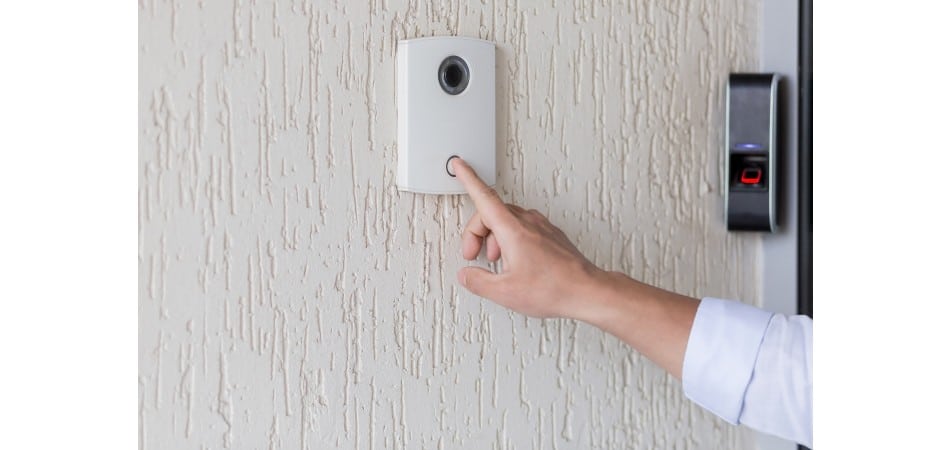
Ring doorbells can be safe when users secure their accounts, configure privacy settings, limit camera coverage, and keep software updated. However, no internet-connected camera is completely risk-free.
The main concerns involve:
- Unauthorized access to camera accounts.
- Weak or reused passwords.
- Improper employee or contractor access.
- Video sharing with third parties.
- Recording public spaces or neighboring property.
- Facial-recognition and biometric data.
- False reports based on misunderstood activity.
- Overreliance on alerts without verifying what happened.
Ring has introduced security controls and privacy settings, but the responsibility is shared between the manufacturer, service providers, camera owners, and users. Doorbell camera surveillance fears are not about whether the technology works, but about how it is deployed, who controls it, and what happens to the data it collects.
What Are the Privacy Concerns With Ring Doorbells?
Cameras May Capture People Outside The Property
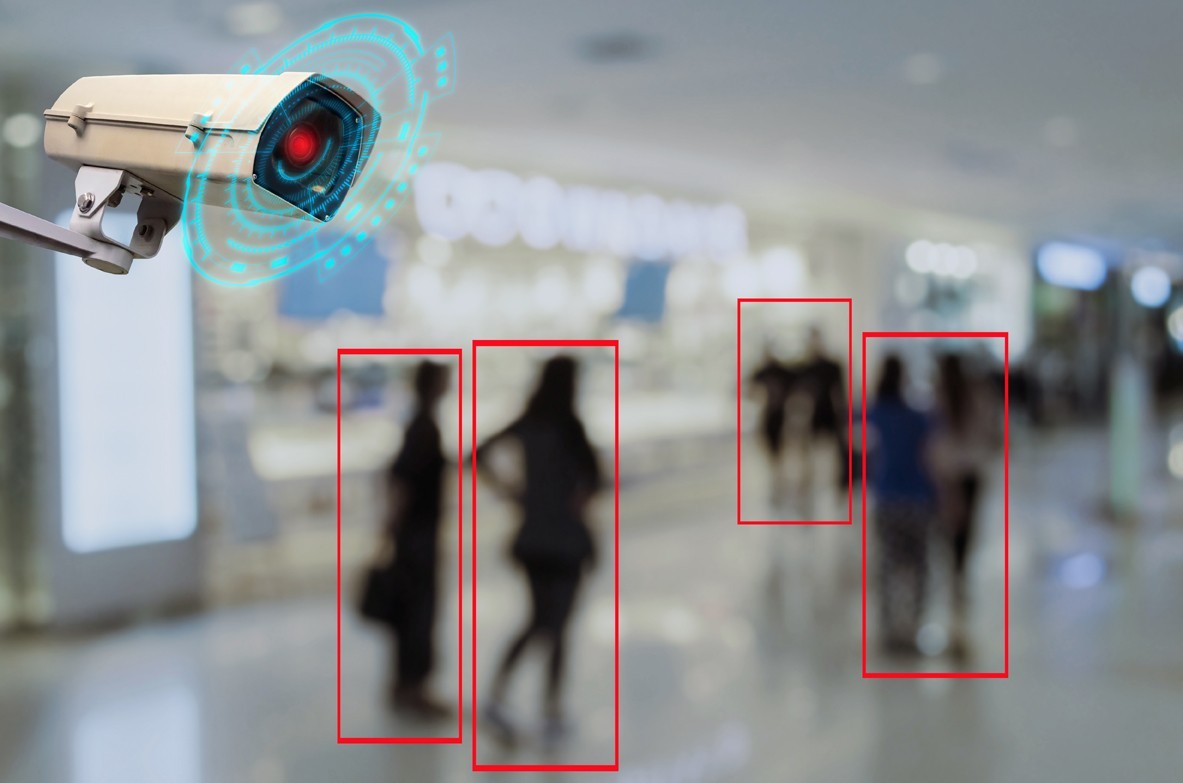
A doorbell camera may record sidewalks, streets, neighboring homes, shared entrances, and people passing through the area. Those individuals may not know they were recorded or how long the footage will be stored.
Businesses and homeowners should position cameras carefully and use privacy zones where available. A camera should monitor the area necessary for security without unnecessarily capturing private spaces or neighboring property. Doorbell camera surveillance fears often center on this issue: people who never chose to be recorded appear in someone else’s security footage.
Video May Be Stored In The Cloud
Cloud storage makes video accessible from a phone or computer, but it also creates another account and data-security environment that must be protected.
Important questions include:
- How long is footage retained?
- Who can access the account?
- Is multifactor authentication enabled?
- Can users download or share footage?
- What happens when an account is closed?
- Which service providers process the data?
Shared Footage Can Spread Beyond The Original Purpose
A user may share a clip with neighbors, law enforcement, an insurer, a property manager, or a social-media platform. Once downloaded or shared, the camera owner may lose control over where the footage goes.
Before sharing footage, users should consider whether it contains:
- Children.
- Private conversations.
- Neighbors.
- Employees.
- Customers.
- License plates.
- Medical or personal information.
- People unrelated to the incident.
Doorbell camera surveillance fears intensify when footage is shared without the knowledge or consent of everyone shown in the video.
Ring “Familiar Faces” and Facial-Recognition Concerns
Ring’s optional Familiar Faces feature is designed to recognize people who approach a camera and provide named alerts when they return. According to reporting on the feature, users can create a directory of familiar people, while the technology may process faces captured in the camera’s view.
This has created a new Ring doorbell privacy concerns debate because people passing by the camera may not know that facial-recognition technology is being used. The concern is not limited to whether the homeowner intentionally added a person to a directory. It also involves:
- Whether passersby provide meaningful consent.
- How facial images or faceprints are created.
- How long facial data is retained.
- Whether people can access or delete their information.
- Whether facial data can be used beyond the original security purpose.
- Whether the feature is appropriate in shared or public-facing areas.
In June 2026, a Virginia resident filed a proposed class-action lawsuit alleging that Ring’s Familiar Faces feature collected and stored images of his face without consent. The allegations remain allegations, and the case should not be treated as a final finding against Amazon or Ring. However, the lawsuit demonstrates how facial recognition has intensified existing concerns about doorbell-camera surveillance.
Users should check the current availability, activation status, privacy controls, and data practices for Familiar Faces before enabling the feature. Doorbell camera surveillance fears are particularly relevant when facial recognition is involved, because the technology processes biometric data from people who may never have agreed to it.
What Was the FTC Ring Consent Decree About?
In 2023, the Federal Trade Commission announced a $5.8 million settlement with Ring over allegations involving employee and contractor access to customers’ private video and inadequate security controls. The FTC alleged that a former Ring employee accessed customers’ videos for inappropriate purposes and that Ring failed to apply sufficient safeguards to prevent unauthorized access.
The order required Ring to address Ring doorbell privacy concerns and security practices, including controls relating to:
- Employee access to customer video.
- Data-security protections.
- Multifactor authentication.
- Privacy and security programs.
- Deletion of certain older video data and related products.
- Independent oversight and audits.
The settlement was not a finding that every Ring device or account was unsafe. It did, however, show why access controls, employee permissions, authentication, auditing, and data-retention policies matter for connected-camera systems. Doorbell camera surveillance fears are not hypothetical; they are based on documented incidents involving unauthorized access and insufficient security practices.
What Are the Disadvantages of Ring Cameras?
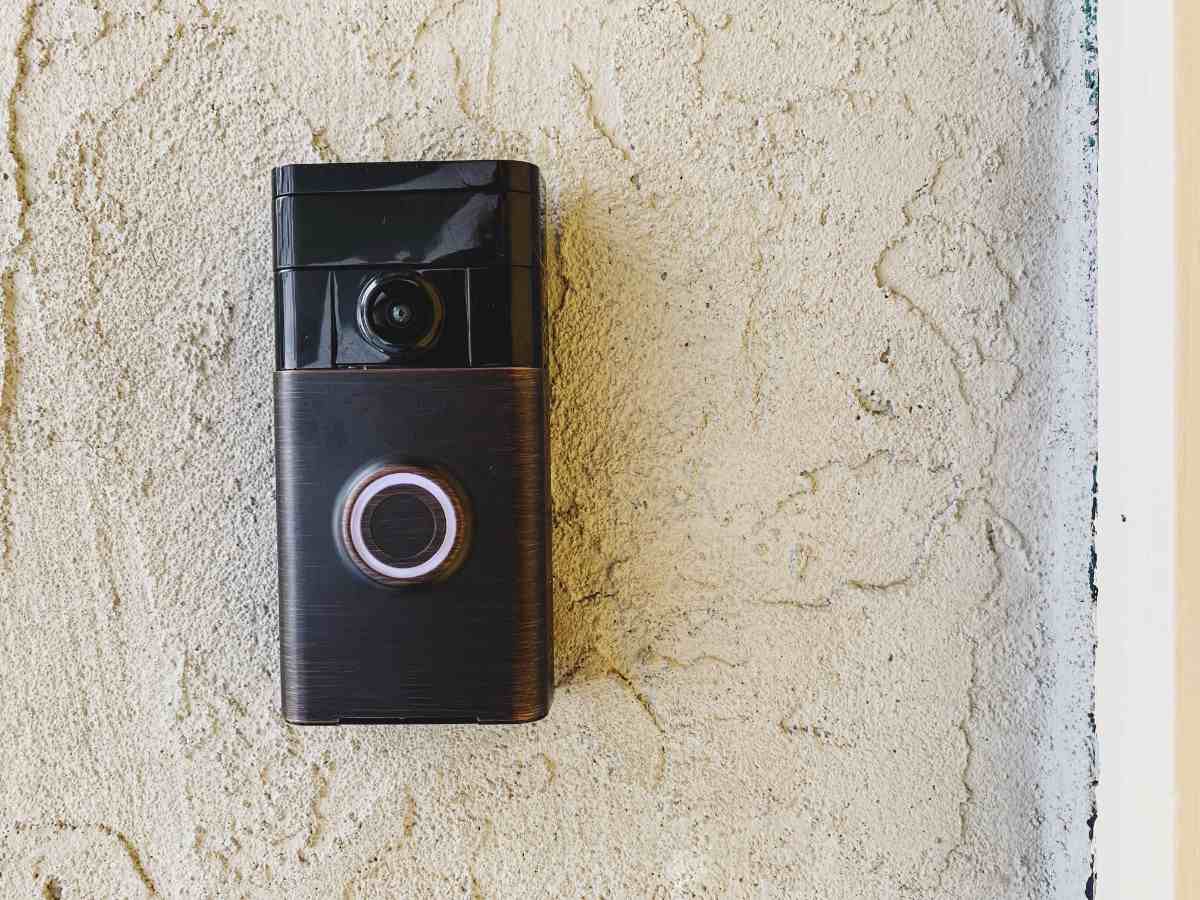
They can record beyond the intended property
A wide-angle doorbell camera may capture public or neighboring areas. Privacy zones and careful positioning can reduce this risk, but users must configure them correctly.
They depend on account and network security
If an account is compromised, an attacker may gain access to live video, recordings, device settings, or other personal information. Users should use unique passwords and multifactor authentication.
Alerts May Create Unnecessary Fear
Motion notifications do not always indicate criminal activity. An alert may be caused by:
- A delivery worker.
- A neighbor.
- A pet.
- A passerby.
- A vehicle.
- Weather.
- Shadows.
- Insects.
- A camera adjustment.
A notification should be treated as a prompt to review the video, not proof that a crime is occurring. Doorbell camera surveillance fears sometimes stem from alerts that are misunderstood or overinterpreted by users who assume every notification indicates a threat.
Facial Recognition Can Affect Non-Users
People captured by the camera may not have chosen to use Ring or agreed to facial analysis. This creates a consent and accountability problem, particularly in shared entrances, apartment buildings, and dense neighborhoods.
Cloud Features May Require Subscriptions
Some recording, storage, analytics, and notification functions may depend on a paid plan. Buyers should review the current service terms instead of assuming every feature is included with the hardware.
Footage May Be Shared Or Copied
Even when a platform provides privacy controls, users can download and share clips. A video may later appear in neighborhood groups, social media, or other systems without the knowledge of everyone shown in it.
A Doorbell Camera Is Not A Complete Security System
A Ring doorbell covers a limited viewpoint. It may not protect:
- Side entrances.
- Rear doors.
- Parking areas.
- Storage spaces.
- Large property boundaries.
- Shared commercial facilities.
- Remote locations.
Businesses may require a broader video surveillance design with multiple cameras, access control, system health monitoring, analytics, and professional monitoring.
How to Use Ring Cameras More Responsibly
Position the camera carefully
Aim the camera toward the entry area you need to protect. Avoid pointing it directly into a neighbor’s home, private yard, bedroom, or other area unrelated to the security purpose.
Use privacy zones
If supported, block portions of the image that should not be recorded. Review the camera view during the day and at night because lighting and infrared mode can change what is visible.
Use a strong, unique password
Do not reuse the Ring password on other services.
Enable multifactor authentication
Multifactor authentication adds another verification step if someone obtains the account password.
Review shared users
Remove former household members, employees, contractors, or service providers who no longer need access.
Limit facial-recognition features
Do not enable Familiar Faces without understanding how it works, what data it processes, and how it affects people who enter the camera’s view.
Establish a footage-sharing policy
Businesses, property managers, and community organizations should define:
- Who may view footage.
- Who may download it.
- When it may be shared.
- How requests are documented.
- How long footage is retained.
- How privacy complaints are handled.
Verify alerts before taking action
A motion alert is not evidence of a crime. Review the live or recorded video and follow an established response procedure. Users should never confront someone or take forceful action based only on an automated notification. Doorbell camera surveillance fears can be reduced when users verify alerts and follow responsible practices instead of reacting to every notification.
Ring Cameras, Law Enforcement, and Video Sharing
Ring video may become part of an investigation when users voluntarily share footage or respond to a lawful request. The rules and procedures can change over time, and practices may differ by jurisdiction and account configuration.
The current debate focuses on:
- Whether users understand how footage may be requested.
- Whether people recorded by the camera have any control.
- How long shared video is retained.
- Whether footage can be combined with other surveillance systems.
- How facial recognition affects bystanders.
- Whether public safety benefits justify expanded private-camera networks.
Ring has also continued to face scrutiny over relationships between consumer camera footage, neighborhood platforms, and law-enforcement investigations. Recent reporting has described deeper connections between Ring and other surveillance companies, adding to concerns about how camera networks may be used in broader public-safety systems.
Users should review Ring’s current privacy materials, law-enforcement policies, and account settings rather than relying on older articles or assumptions. Doorbell camera surveillance fears are amplified when users do not understand how their footage may be accessed or shared.
Ring Doorbells in Businesses and Multi-Tenant Properties
Ring doorbells may be suitable for limited entry monitoring, but businesses should consider whether a consumer-focused platform meets their operational requirements.
Commercial properties may need:
- Multiple-camera coverage.
- Centralized user management.
- Role-based access.
- Video retention policies.
- Audit logs.
- Access-control integration.
- Camera-health monitoring.
- Business continuity planning.
- Live video monitoring.
- Documented incident response.
These needs are particularly important in apartment communities, offices, retail properties, warehouses, cannabis facilities, and government environments. Doorbell camera surveillance fears are especially relevant in multi-tenant properties where one resident’s camera may capture neighbors, visitors, or shared spaces without their consent.
Resolute Partners provides commercial video surveillance, live video monitoring, AI and human video security, cloud-based surveillance, IoT integration, and camera-health monitoring for business and government clients.
How Resolute Partners Helps Businesses Use Video Surveillance Responsibly
Consumer doorbell cameras may work for limited entry monitoring, but larger businesses need more control over their camera infrastructure, users, alerts, and response procedures.
Resolute Partners helps businesses improve their video security through:
- Commercial system design – Assessing property layout, entry points, and high-risk zones to ensure appropriate coverage.
- Existing-camera upgrades – Improving coverage, analytics, connectivity, and storage without replacing every camera.
- AI-powered analytics – Identifying person or vehicle activity, restricted-area entry, loitering, perimeter breaches, and camera outages.
- Live video monitoring – Trained professionals verify alerts, review video, and follow your response procedures.
- Camera health monitoring – Identifying offline or obstructed cameras before coverage gaps occur.
- Access control and user management – Centralized visibility and permissions beyond consumer apps.
- Multi-site management – Consistent camera access, alert handling, and support across locations.
Resolute’s approach combines appropriate hardware, secure access, analytics, monitoring, maintenance, and documented response procedures to address doorbell camera surveillance fears while providing stronger commercial security control.
Frequently Asked Questions
Q.1 Are Ring doorbells safe?
Ring doorbells can be used safely when accounts are protected, privacy zones are configured, cameras are positioned responsibly, and users understand the platform’s data and sharing practices. However, internet-connected cameras still involve privacy and cybersecurity risks. Doorbell camera surveillance fears are valid, but they can be addressed through responsible configuration and professional oversight.
Q.2 What are the biggest Ring doorbell privacy concerns?
The main concerns include recording people outside the property, cloud video storage, account compromise, footage sharing, law-enforcement access, facial-recognition features, and limited control for people captured by the camera.
Q.3 What are the disadvantages of Ring cameras?
Disadvantages may include subscription requirements, privacy concerns, false alerts, dependence on internet and account security, limited camera coverage, shared-footage risks, and the possibility that facial-recognition features affect people who never consented to them.
Q.4 What is Ring Familiar Faces?
Familiar Faces is an optional feature designed to recognize known people and provide named alerts. Its use has created ring doorbell privacy concerns because faces of visitors and passersby may be captured or analyzed without their direct consent.
Q.5 Did the FTC take action against Ring?
Yes. In 2023, the FTC announced a $5.8 million settlement involving allegations that Ring failed to restrict employee access to customer video and did not maintain adequate security controls.
Q.6 Can Ring cameras be hacked?
Any internet-connected camera can be targeted if accounts, devices, networks, or software are not properly secured. Unique passwords, multifactor authentication, software updates, secure Wi-Fi, and limited user access reduce risk.
Q.7 Should businesses use Ring cameras?
That depends on the property and security requirements. A Ring device may be suitable for a limited entry point, but larger or higher-risk properties may need an enterprise video system with centralized management, analytics, retention controls, health monitoring, and professional response.

Michael S. Blanco is the Chief Executive Officer and Co-Founder of Resolute Partners, LLC, where he leads strategic initiatives across various divisions. After owning family entertainment centers in New England, he co-founded Resolute Partners in 1996, launching the first Internet cafés for the U.S. Navy and partnering with AT&T for global deployment. A pioneer in wireless communications, Michael has expanded the company’s focus to include Energy Management/IoT, Cybersecurity, and Managed Video Security. He holds a degree from the Rochester Institute of Technology.
Stay up to date.
Subscribe for latest news, protection tips, special offers, and more!