How Does Real-Time AI Monitoring Protect Users? A Complete Guide

Summary: The real-time AI-driven monitoring is changing how organisations protect their people, property, and operations from any harm. In contrast to conventional video surveillance, where you simply record the footage for later observation, an AI-driven system actively monitors real-time footage, finds likely future hazards, separates ordinary actions from unusual observations, and generates an alert in real-time if an appropriate action must be taken to avert a hazard. AI’s capacity to assess events while they occur makes it an effective instrument in today’s security environment. By combining computer vision, machine learning, automated alerts, and human oversight, organizations can respond faster, reduce false alarms, and improve safety for employees, customers, visitors, and critical assets.

In this guide, we will learn how real-time AI monitoring protects users, how the technology works, and why organizations across various industries are adopting AI video security monitoring as part of a proactive security strategy.

Why Real-Time Protection Matters?

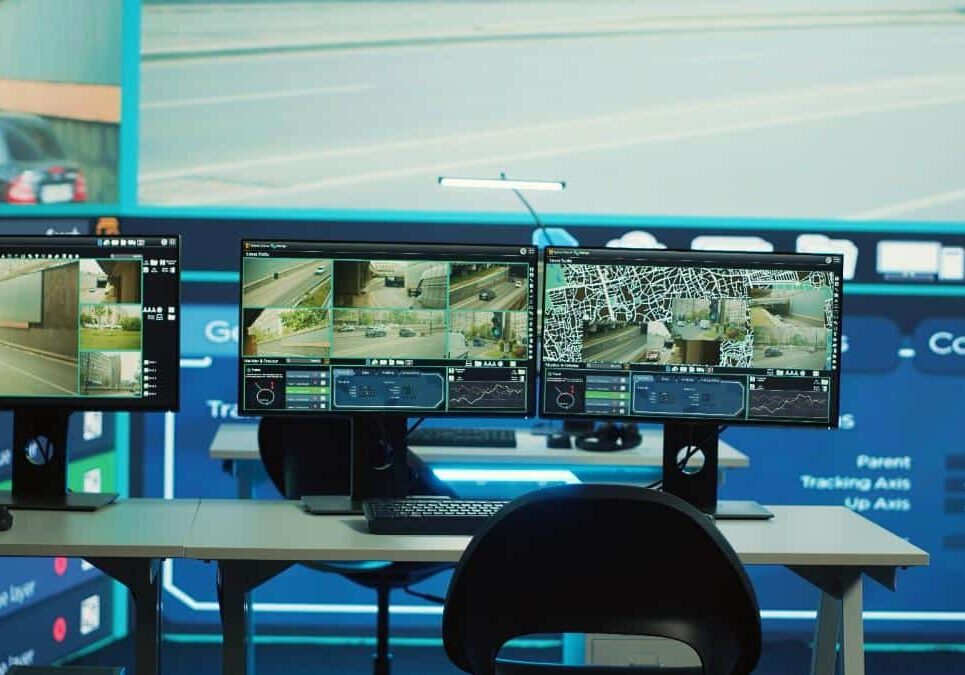
AI Video Security Monitoring

Traditional surveillance is useful, but it has a fundamental limitation, which is that footage gets recorded, and security teams review it after something has already gone wrong. By then, the damage is done. Real-time AI monitoring flips that model. Instead of just capturing events, the system continuously analyzes live video, flags anything unusual, and notifies security personnel right away. That means teams can step in early, often before a situation has a chance to escalate.

For businesses, schools, hospitals, warehouses, and public spaces, even a few seconds of early warning can make a real difference.

How Does Real-Time AI Monitoring Protect Users

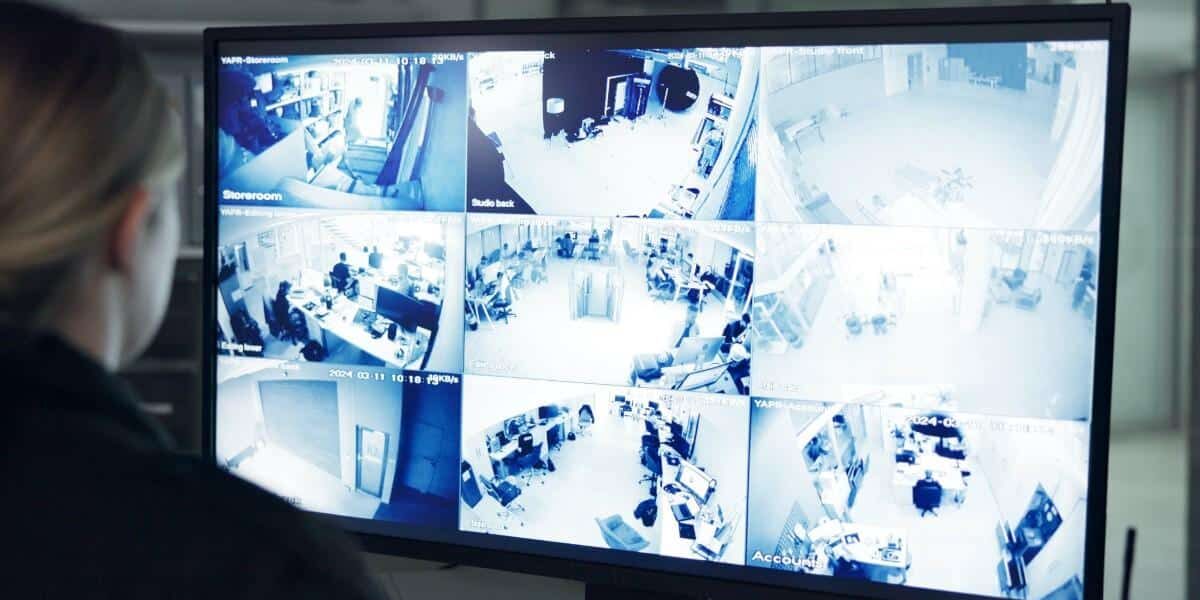
At its core, AI monitoring protects users by watching live video around the clock, spotting unusual activity, and making it possible to respond immediately when something looks off.

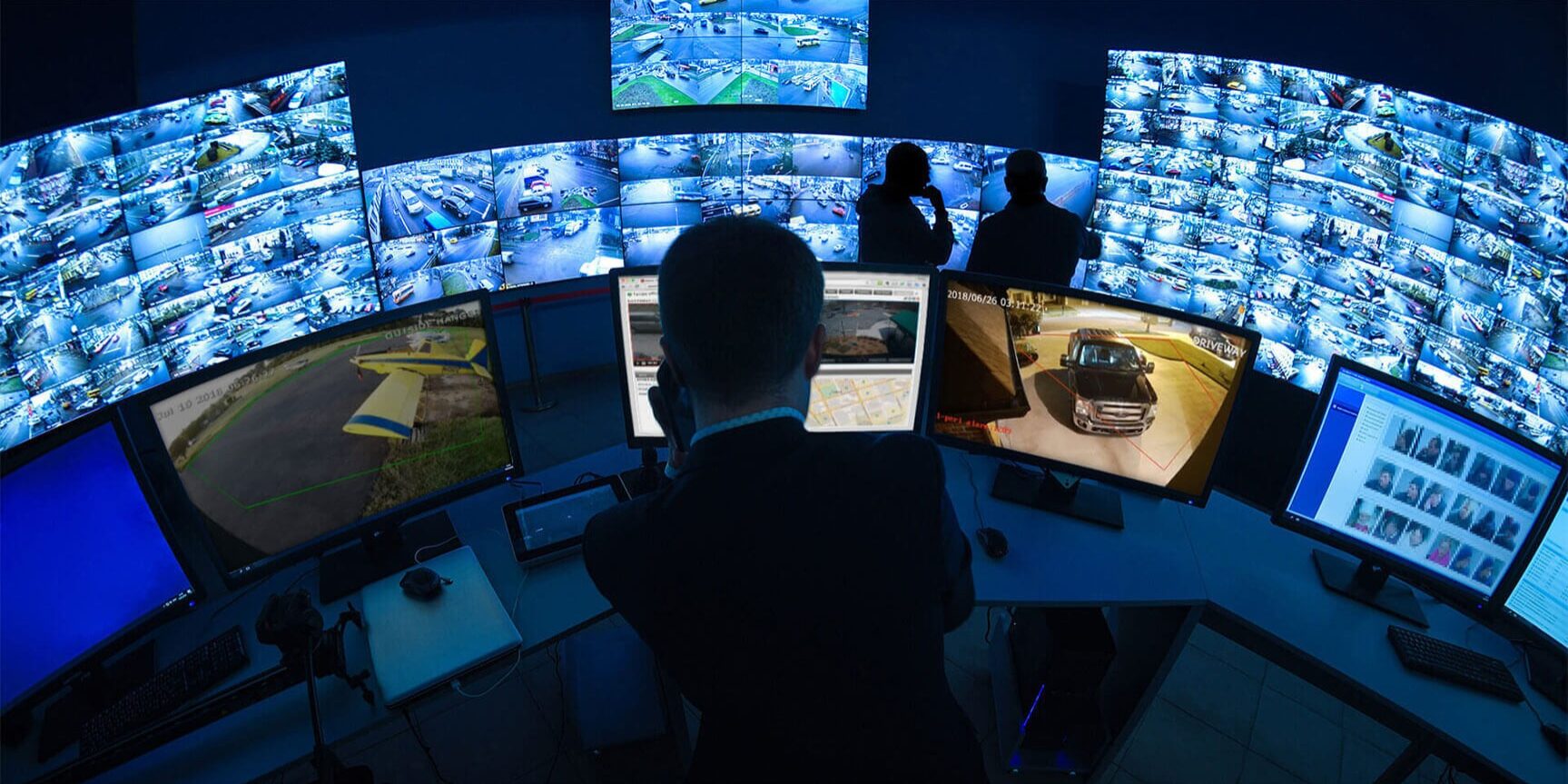
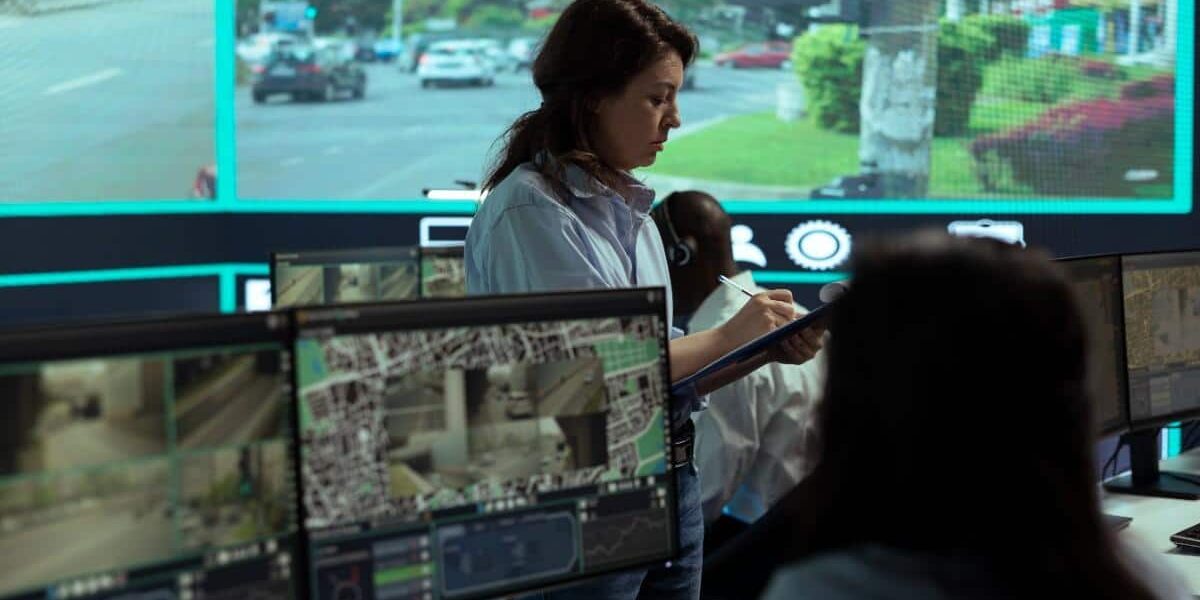
Rather than asking human operators to keep their eyes on dozens of screens at once, AI acts as an intelligent first layer of observation. It tracks patterns, learns what normal looks like, and flags anything that doesn’t fit.

This protection runs through four key functions:

  • Continuous live video analysis
  • Real-time threat detection
  • Automated alerts and escalation
  • Human verification and response

Together, these create a security environment focused on preventing incidents not just recording them.

How Real-Time AI Monitoring Works

Video Capture and Live Data Processing

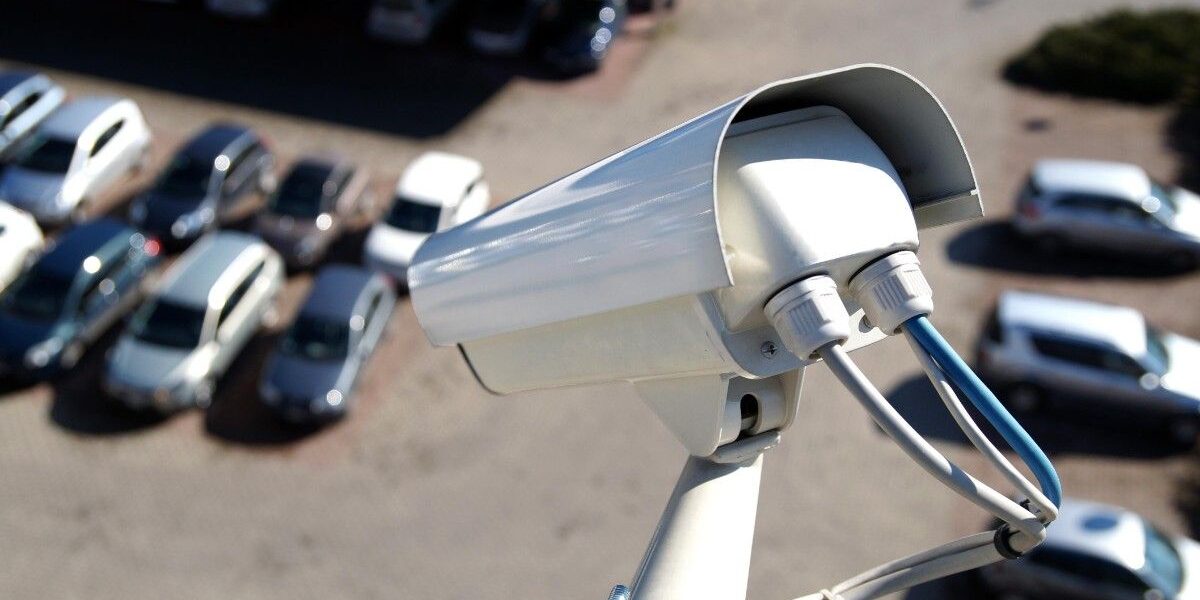
It starts with smart cameras placed at key points throughout a facility, entrances, exits, restricted areas, parking lots, loading docks, and production floors. These cameras don’t just stream video but they convert it into data that can be analyzed on the spot.

That analysis can happen in different ways depending on the setup:

  • On the camera itself (edge processing)
  • On local servers
  • In the cloud
  • Through a hybrid architecture

This flexibility lets organisations find the right balance between speed, scale, and security.

Computer Vision and Behavioral Analysis

The engine behind real-time AI monitoring is computer vision, technology that allows the system to recognize and track objects like people, vehicles, packages, and equipment, and evaluate how they’re behaving within a scene.

Over time, the system builds a picture of what “normal” looks like in that specific environment. Once that baseline is set, it can quickly pick up on anything unusual, such as:

  • Unauthorized access attempts
  • Loitering in restricted areas
  • Unusual movement patterns
  • Abandoned objects
  • Tailgating through secured entry points
  • Perimeter breaches
  • Dangerous crowding or congestion

That contextual understanding is what sets AI apart from basic motion detection.

How AI Detects Threats Before They Escalate

Standard motion-based systems throw alerts for all kinds of harmless things like shadows, weather, animals passing by. AI monitoring is smarter than that. Rather than reacting to any movement, it evaluates whether what it’s seeing actually poses a risk.

For example, it can tell the difference between:

  • An employee arriving during business hours and someone entering after hours who shouldn’t be there
  • A routine delivery and suspicious activity at a loading dock
  • Normal foot traffic and someone loitering in a way that raises concern
  • Expected crowd movement and a situation that could turn dangerous

This kind of contextual intelligence helps organisations catch genuine threats earlier without drowning their teams in unnecessary alerts.

Automated Alerts and Immediate Response

girl standing with hoddie

When the system detects something that matches a predefined risk, it sends an alert straight away, to security personnel, on-site operators, remote monitoring centers, facility managers, or mobile devices, depending on how it’s set up.

Alerts can be sent to:

  • Safety personnel
  • On-site operators
  • Remote monitoring centers
  • Facility managers
  • Mobile devices
  • Integrated command platforms

These alerts usually include:

  • Video clips
  • Event timestamps
  • Location details
  • Event classification
  • Recommended response actions

In some environments, automated workflows can also trigger additional responses, such as:

  • Locking doors
  • Activating alarms
  • Dispatching safety personnel
  • Initiating announcements
  • Escalating incidents to emergency responders

This rapid response capability is central to how real-time AI monitoring keeps users safe.

The Role of Human Oversight

How does real-time AI monitoring protect users does not end with AI making sure everything because AI makes security teams faster and sharper, but it can not replace them. While the technology excels at continuous monitoring and rapid detection, trained security professionals bring the judgment and discretion that no algorithm can replicate. Human operators still:

  • Verify AI-generated alerts
  • Assess the severity of incidents
  • Determine actions
  • Coordinate emergency response
  • Manage escalation procedures

This combination of machine speed and human expertise creates a highly effective safety model.

Key Ways Real-Time AI Monitoring Protects Users

Faster Threat Detection

AI catches activity the moment it happens, shrinking the gap between detection and response.

Fewer False Alarms

Context-aware analysis filters out harmless events, so security teams aren’t chasing shadows.

Better situational awareness

Teams get a clear, real-time picture of what’s happening across multiple locations at once.

Proactive Incident Prevention

Early detection means intervening before things get worse.

Safer Environment for Everyone

Employees, customers, and visitors benefit from faster, better-informed responses.

Scalable Protection

AI makes it practical for smaller teams to monitor large or multi-site facilities effectively.

Where Real-Time AI Monitoring Is Effective

Real-time AI monitoring is now widely used across industries where user safety, operational continuity and asset protection are critical.

    • Commercial and corporate facilities – Protecting employees and visitors, especially outside business hours
    • Retail and distribution centers – Reducing theft and keeping staff and customers safe
    • Healthcare facilities – Supporting patient safety, access control, and rapid response
    • Educational institutions – Securing campuses and improving emergency response
    • Manufacturing and industrial sites – Protecting workers and monitoring hazardous areas
    • Critical infrastructure and public spaces – Providing broad situational awareness for transit hubs, utilities, and public venues

Challenges Organizations Should Consider

camera with blue lights

No technology is plug-and-play, and real-time AI monitoring is no exception. A few things organisations need to plan for:

  • Privacy and compliance – Data governance policies need to be clear, and systems must align with relevant privacy laws.
  • Infrastructure requirements – Good video quality, reliable connectivity, and sufficient processing power are all essential.
  • Model accuracy and bias – AI systems need regular testing and tuning to stay accurate and fair.
  • Integration complexity – The real value comes when AI monitoring connects smoothly with existing security systems.

How to Implement Real-Time AI Monitoring Successfully

Assess Safety Risks and Objectives

Identify vulnerabilities, operational priorities and user safety requirements.

Choose the Right Technology

Evaluate system accuracy, scalability, integration capabilities and vendor support.

Deploy Strategically

Begin with risk or high-value areas before expanding across the organization.

Integrate With Existing Safety Systems

Connect AI monitoring with access control, alarms, incident management and command platforms.

Train Personnel

Ensure staff understand how to interpret alerts and respond effectively.

Why Real-Time AI Monitoring Is the Future of User Protection

As threats become more complex and environments dynamic, traditional surveillance alone is no longer enough.

Time AI monitoring provides:

  • Continuous vigilance
  • Intelligent threat detection
  • Faster response
  • Enhanced operational insight
  • Stronger protection for users

It transforms surveillance from passive observation into active prevention.

Conclusion: Smarter Security for Safer Environments

Understanding how real-time AI monitoring keeps users shows why it has become such an important part of modern safety strategies. By analyzing video identifying potential threats and enabling immediate response AI helps companies protect people, property and operations more effectively, than traditional surveillance ever could.

The real value lies not in seeing more but in understanding more and acting faster.

Resolute Partners helps companies implement safety solutions that combine AI video monitoring, secure network infrastructure and tailored cybersecurity protections. Our integrated approach delivers protection, improved operational visibility and scalable safety designed for today’s evolving risks.

For companies seeking safety, faster response and greater peace of mind real-time AI monitoring offers a smarter path forward.

FAQs

Q1. What is real-time AI monitoring?

Time AI monitoring uses artificial intelligence to analyze live video feeds detect unusual activity and generate immediate alerts when potential threats are identified.

Q2. How does real-time AI monitoring keep users safe?

It helps people by finding problems as they happen so we can do something about them faster. It cuts down on false warnings and it helps stop bad things from getting worse.

Q3. Can computers with intelligence take the place of human security guards?

No. Computers with intelligence help human security teams by making them better at finding problems and being more accurate but people are still needed to check and do something about the problems.

Q4. Is intelligence good at watching videos?

Yes. If it is set up and taken care of properly, artificial intelligence is much better at watching videos than systems that just look for movement.

Q5. What kinds of businesses benefit the most from intelligence video watching?

Places, like hospitals, schools, stores, factories, shipping companies, office buildings and important infrastructure all benefit from intelligence that watches what is happening in real time.

Leave a Comment


Resolute Partners cameras video monitoring commercial systems businesses surveillance security

Stay up to date.

Subscribe for latest news, protection tips, special offers, and more!

Live Video Monitoring

Our trained video security surveillance monitoring professionals can quickly spot suspicious activity captured by business security cameras. We review live video to determine if criminal behavior is suspected.